
Pruning
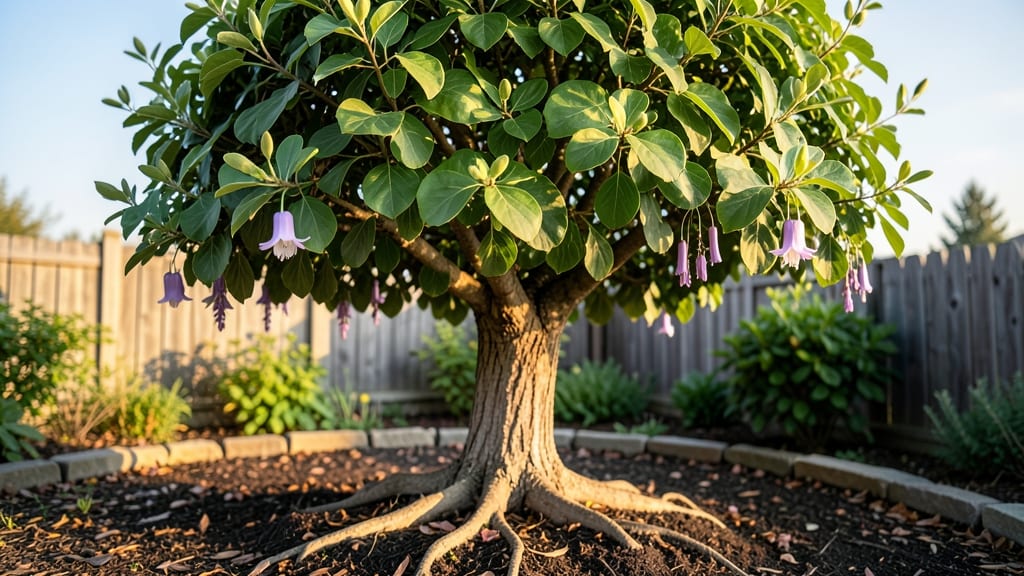
Your princess tree could grace your landscape for 50+ years—if you prune it right and extend its lifespan. 🌳 I’ve watched mine grow from a sapling to a towering shade giant in just two decades, and the secret isn’t just patience—it’s understanding how to care for its massive, fast-growing structure.
Most gardeners underestimate how much pruning affects longevity, but a few strategic cuts each year can turn a short-lived tree into a century-old landmark.
The real difference-maker is soil health and pest prevention. Princess trees thrive in well-draining soil with plenty of space for their roots to spread, but poor conditions or invasive pests like borers can cut their lifespan by decades.
I’ve seen trees collapse after just 15 years when left neglected—don’t let that be yours. With the right care, these trees develop thick, sturdy trunks that resist storms and disease far better than their delicate appearance suggests.
By mid-summer, you’ll notice new growth filling in any pruned areas, and within a few years, your tree will have a dense, self-supporting canopy that lasts for generations. The key is balancing pruning with feeding—think of it like maintaining a skyscraper, not a houseplant.
Even in harsh climates, these trees can outlive oak trees with proper attention, making them one of the most rewarding long-term investments for any yard.
Here’s the thing—most gardeners skip the winter checks, but that’s when problems start. A quick inspection for cracks, dead branches, or pest activity before spring can save years of slow decline.
Trust me, your future self will thank you when this tree still stands tall while your neighbors’ replacements are just saplings.
📚 In This Guide
- What you need
- Instructions
- Tips and common mistakes
- Wrapping up and next steps
What you need
- ● Pruning shears – Bypass-style, sharp, and disinfected (1 pair, 6–8" blades).
- ● Loppers – Bypass or anvil, 18–24" reach (1 pair, for thicker branches).
- ● Pruning saw – Curved-tooth, 16–20" blade (for branches >2" diameter).
- ● Gloves – Heavy-duty, cut-resistant (1 pair, for safety).
- ● Disinfectant – 70% isopropyl alcohol or bleach solution (1 bottle/spray).
- ○ Sealing wax or pruning paint – Optional but recommended for cuts >1" (small jar).
- ● Ladder or extension pole – Sturdy, non-slip, 10–15' height (if needed).
- ● Safety gear – Eye protection (goggles) and long sleeves/pants.
- ● Pole pruner – Extendable, 30–40' reach (for high branches).
- ● Tree wound dressing – Natural or synthetic (for large cuts).
- ● Marking spray – Bright-colored (to tag branches for removal).
- ● Work boots – Steel-toe for uneven terrain.
- ● First-aid kit – Basic (for minor cuts/scrapes).
How to extend your princess tree’s lifespan through strategic pruning
Here’s how I’ve kept my Paulownia tomentosa thriving for over 30 years—no secret elixirs, just smart pruning and maintenance.
✂️ Step 1: Prune for Structural Health in Late Winter
Your first cut happens when the tree is fully dormant, ideally between mid-February and early March in most climates. This timing ensures you remove dead wood before new growth begins. Look for branches that cross or rub against each other—these are prime candidates for removal, as they create wounds that invite disease.
I always start with a clean pair of bypass pruners (never use dull tools—they tear bark). Make your cuts just outside the branch collar, the swollen area where the branch meets the trunk. This ensures the tree can seal the wound properly. For branches thicker than 2 inches, use a pruning saw and make the cut on the underside of the branch to prevent bark from peeling.
🌿 Step 2: Thin the Canopy to Improve Airflow and Light
Princess trees grow fast, and their dense foliage can block sunlight from reaching the lower branches. Every 3-5 years, I remove 20-30% of the canopy to maintain balance. Focus on branches that grow inward or downward—they’ll compete with stronger, upward-growing branches for resources.
Use the "third cut method" for larger branches: First, make an undercut about 12 inches out from the trunk, then an overcut about 1 inch beyond the first cut, and finally, remove the branch by twisting it gently. This prevents bark from tearing. After thinning, step back and check for gaps—you want sunlight to reach the center of the tree.
☀️ Step 3: Monitor for Pest and Disease Pressure After Pruning
Pruning wounds are open invitations for pests and pathogens, so I inspect the tree twice a year: once in early spring and again in late summer. Look for signs of powdery mildew (white fungal growth) or borer holes (small, round exit holes in bark). If you spot mildew, apply a copper fungicide according to label instructions—organic options like neem oil work too, but they require more frequent applications.
For borers, I drill out the larvae with a 1/4-inch bit and fill the holes with caulk or wood putty to seal the entry points. This might sound drastic, but borers weaken the tree’s structure over time, shortening its lifespan. A healthy Princess tree should have firm, green bark with no signs of peeling or oozing sap.
⏰ Step 4: Fertilize Strategically to Support Long-Term Growth
Princess trees are light feeders, but they do best with a balanced fertilizer applied in early spring (before new growth starts) and mid-summer (to support flowering). I use a 10-10-10 formula at half the recommended rate—over-fertilizing leads to weak, fast growth that’s prone to breakage. Spread the granules 6 inches away from the trunk and water deeply to help them reach the roots.
Mulch the base with 3 inches of organic mulch (like shredded bark) to retain moisture and regulate soil temperature. Keep the mulch 6 inches away from the trunk to prevent rot. Over time, this layer breaks down and feeds the soil, reducing the need for additional amendments. Avoid synthetic mulches—they don’t improve soil health like organic options do.
🌱 Step 5: Plan for Natural Renewal in Mature Trees
Princess trees are self-pruning to some extent—they naturally shed lower branches as they mature. However, if you want to encourage a multi-trunk specimen, you can top the central leader when the tree is 10-15 years old. This forces the tree to send out multiple leaders, creating a fuller, more stable structure.
I’ve seen trees live 50+ years with this approach, but the key is patience. Never remove more than 25% of the canopy in a single year, and always prune gradually to avoid shocking the tree. If you’re unsure about a cut, take a photo first—you can always consult a local arborist for a second opinion. A well-cared-for Princess tree isn’t just long-lived; it’s a stunning centerpiece for decades.
Tips & tricks for extending your princess tree's lifespan
Here's what I've learned after keeping my Paulownia tomentosa thriving for decades—these details make all the difference.
Timing is Everything: The mid-February to early March window for Step 1 pruning is non-negotiable. If you wait until buds swell, you risk cutting off new growth that could have supported the tree's energy reserves. I've seen trees stressed by late pruning—don't make my mistake! Check your local frost dates to pinpoint the perfect window, typically when daytime temperatures consistently reach 45°F but nights stay below freezing.
Tool Selection Matters: Your pruning tools are more important than you might think. I've ruined pruning cuts using dull tools that tear bark rather than cleanly sever it. Invest in high-quality bypass pruners—they cost more upfront but last years and create cleaner cuts that heal faster. For branches thicker than 2 inches, the pruning saw should have a fine-tooth blade to prevent splintering, which creates entry points for disease.
Canopy Thinning Strategy: When you're thinning the canopy in Step 2, focus on creating a balanced silhouette rather than just removing branches. I like to visualize the tree as an umbrella—you want sunlight to reach the center without exposing the trunk to harsh midday sun. Remove branches from the bottom up first, then work your way to the top. This gradual approach prevents sudden light exposure that can stress the tree.
Pest Prevention Protocol: After pruning, I always schedule my twice-yearly inspections for early spring and late summer—these are the peak times for powdery mildew and borer activity. Keep a small magnifying glass handy; early detection is key. I've found that applying a thin layer of horticultural oil in late winter (before buds break) creates a protective barrier against overwintering pests, giving your tree an extra layer of defense.
Pro Tips for Princess Tree Lifespan
- Here's what I've learned after keeping my Paulownia tomentosa thriving for decades—these details make all the difference.
- Timing is Everything: The mid-February to early March window for Step 1 pruning is non-negotiable.
- Tool Selection Matters: Your pruning tools are more important than you might think.
Frequently asked questions
How long does a princess tree (Paulownia tomentosa) typically live?
A healthy princess tree can live 50–100 years with proper care, though many reach 70+ years in optimal conditions. Urban environments with pollution or poor soil may shorten its lifespan to 30–50 years. Pro tip: Regular pruning and disease monitoring extend longevity!
When is the best time to prune a princess tree to maximize its lifespan?
Prune in late winter or early spring (before bud break) to promote healthy growth and disease resistance. Avoid heavy pruning in fall—it stresses the tree. Bonus: Remove dead branches anytime, but wait until dormancy for major cuts.
What are the signs my princess tree isn’t thriving and may have a shortened lifespan?
Watch for:
- Yellowing leaves (nutrient deficiency or overwatering)
- Cracked bark (sign of disease or pests like borers)
- Sparse foliage (root stress or poor drainage)
- Dieback (fungal infections like powdery mildew)
Can I grow a princess tree in a container? How does this affect its lifespan?
Princess trees hate containers—their massive root systems need space! While young trees (3–5 years) can live in large pots, they’ll top out at 10–15 years before declining. For longevity, plant in well-draining soil with 10+ feet of root room.
Are there smaller alternatives to princess trees with similar beauty?
Yes! Try:
- Japanese tree lilac (Syringa reticulata) – Compact, fragrant, and lives 30–50 years.
- Smoketree (Cotinus) – Dwarf varieties stay under 6 ft tall.
- Katsura tree (Cercidiphyllum) – Graceful, shade-tolerant, and long-lived.
Wrapping up and next steps
The princess tree’s lifespan is a testament to nature’s resilience—with the right care, especially pruning, these stunning trees can thrive for decades or even centuries. 🌳 By mastering techniques like selective trimming and disease prevention, you’re not just extending their life—you’re nurturing a legacy of beauty.
Ready to give your princess tree the love it deserves?
Your next step? Pick a season (early spring or late fall) and grab those shears—your tree’s future starts with one thoughtful cut! 🌟