
Pruning
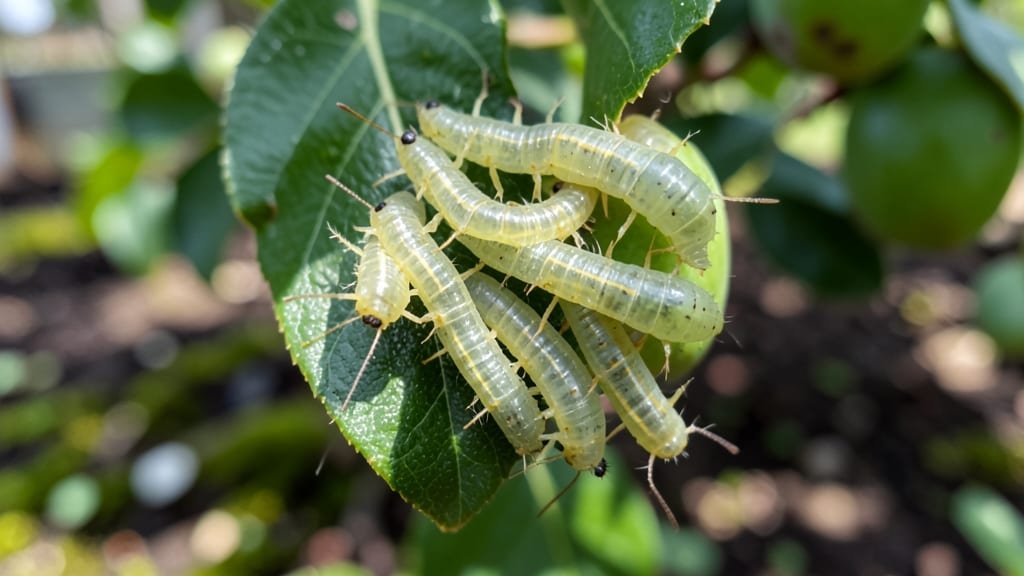
Spotting plum tree bugs in these pictures can turn a sweet harvest into a nightmare—unless you know what to look for. 🐛 These common pests (like plum curculio, aphids, and borers) leave telltale signs: chewed fruit, sticky sap, or tiny holes in leaves.
I’ve seen firsthand how quickly an infestation spirals, but with the right ID skills, you can act fast before damage sets in.
The key is matching symptoms to pests: plum curculio larvae leave ragged fruit wounds, while aphids cluster on new growth, creating a sticky mess. Borers tunnel under bark, causing wilting branches that look like drought stress.
I’ve compiled a quick-reference guide with photos (check trusted sources like University Extension sites) to help you spot these troublemakers early—before they ruin your crop.
Once you ID the pest, treatment gets simple: handpick curculios, blast aphids with water, or prune infested branches. Prevention is even easier—just wrap tree trunks with burlap in spring to trap overwintering pests.
My plum trees stayed healthy all season after I started this routine, and you can too with these straightforward steps.
Works for home gardeners and small orchards alike. No fancy tools needed—just sharp eyes and basic supplies. Let’s get those trees pest-free before harvest time rolls around.
Root Causes Of Plum Tree Infestations
Plum trees, with their lush foliage and sweet fruit, can become a buffet for pests if conditions align. Understanding the why behind these infestations helps you take targeted action. Below, we break down the most common reasons bugs invade your plum trees—and how to address them.
Plum trees under stress are like open invitations to pests. When trees are crowded, nutrient-deficient, or waterlogged, their natural defenses weaken, making them prime targets for bugs like aphids, scale insects, and spider mites.
- Why it happens:
- Poor air circulation (from dense branches or nearby structures) traps moisture, creating a humid microclimate that pests love.
- Nutrient imbalances (too much nitrogen, lack of potassium) make trees vulnerable to infestations.
- Root stress from overwatering, drought, or compacted soil weakens the tree’s immune response.
- Actionable fix:
- Prune branches to improve airflow (aim for 20-30% open canopy).
- Test soil pH and amend with compost or organic fertilizer (look for a balanced NPK ratio like 10-10-10).
- Water deeply but avoid soggy roots—plum trees prefer 1-1.5 inches of water per week.
Some bugs, like borers and bark beetles, are drawn to trees already compromised by fungal diseases (e.g., silver leaf fungus) or bacterial infections (e.g., bacterial canker). These pathogens create entry points and weaken the tree’s structure.
- Why it happens:
- Wet, humid conditions (common in spring/fall) encourage fungal spores to thrive.
- Old wounds or cracks in bark provide easy access for pests.
- Weakened sap flow (from disease) makes trees less able to repel invaders.
- Actionable fix:
- Prune infected branches immediately (sterilize tools with 70% rubbing alcohol between cuts).
- Apply copper-based fungicides (like Bordeaux mixture) if fungal diseases are present.
- Seal fresh wounds with pruning paint (though research shows this is more cosmetic—focus on preventing future damage).
Some bugs are simply drawn to plum trees because of their scent, sap, or flowers. For example:
- Aphids love new growth and sweet sap.
- Japanese beetles target plum blossoms and fruit.
- Stink bugs seek out ripening fruit.
- Why it happens:
- Flowering stage (early spring) attracts pollinator pests that may overstay.
- Ripe fruit emits volatile organic compounds (VOCs) that signal "easy meal" to bugs.
- Honeydew residue (from earlier infestations) attracts ants and wasps, which protect pests in exchange for sugar.
- Actionable fix:
- Remove fallen fruit promptly to reduce breeding grounds.
- Use row covers during bloom to deter beetles (remove before pollination if hand-pollinating).
- Disrupt scent trails with neem oil sprays (applied at dusk for best results).
Debris, weeds, and nearby host plants create hiding spots and food sources for pests. Many plum tree bugs (like plum curculio or psyllids) overwinter in leaf litter or wild plum bushes.
- Why it happens:
- Leaf litter provides shelter for egg-laying adults.
- Weeds host alternative food sources (e.g., clover for aphids).
- Unpruned deadwood offers nesting sites for borers.
- Actionable fix:
- Clear debris from the base of the tree (within a 3-foot radius).
- Mow grass short around the tree to eliminate hiding spots.
- Remove nearby wild plum or cherry trees (if possible) to break pest cycles.
Plum trees in unpredictable climates (e.g., sudden heatwaves or late frosts) struggle to adapt, making them more susceptible to pests. For instance:
- Late frosts damage blossoms, stressing the tree.
- Early heatwaves dehydrate trees, reducing pest resistance.
- Why it happens:
- Temperature swings disrupt natural predator-prey balances (e.g., ladybugs may not arrive in time).
- Drought stress forces trees to produce more sap, which attracts sap-sucking bugs.
- Actionable fix:
- Mulch heavily (2-3 inches of wood chips) to regulate soil temperature.
- Install frost cloth if late frosts are common in your area.
- Monitor weather forecasts and apply horticultural oil before heatwaves to smother eggs.
A healthy plum tree ecosystem includes beneficial insects (ladybugs, lacewings, birds) that keep pests in check. If these predators are missing—due to pesticide overuse or habitat loss—bug populations explode.
- Why it happens:
- Broad-spectrum pesticides kill both pests and their natural enemies.
- Monoculture gardening (only plum trees) reduces biodiversity.
- Actionable fix:
- Avoid chemical sprays—opt for pyrethrin-based insecticides (less harmful to predators).
- Plant companion flowers (like dill, fennel, or marigolds) to attract beneficial insects.
- Install birdhouses or bat boxes to encourage pest-eating wildlife.
Quick Fixes for Plum Tree Pests
Plum trees, with their lush foliage and sweet fruit, can quickly become a buffet for unwanted pests. But don’t worry—most issues have simple, effective solutions! Below, we’ve mapped common causes to practical fixes, so you can restore your tree’s health without stress.
Whether it’s chewed leaves, sticky sap, or wilting branches, these steps will help you identify the problem, act fast, and keep your plum tree thriving.
Signs: Holes in leaves, skeletonized foliage, or tiny green/black bugs clustered on stems.
How to Fix It: 🔥 Handpick & Remove – Glove up and pluck off visible pests (especially caterpillars or beetles) into soapy water. Do this in the early morning when bugs are sluggish. 🍳 Neem Oil Spray – Mix 1 tsp neem oil + 1 tsp mild soap + 1 quart water, spray undersides of leaves (where bugs hide). Repeat every 5–7 days for 2–3 weeks. 👨🍳 Introduce Beneficial Insects – Ladybugs and lacewings eat aphids naturally. Buy them online or attract them with dill or fennel plants nearby. 🔪 Prune Damaged Leaves – Cut off heavily infested leaves and dispose of them in sealed bags (not compost).
💡 Prevention Tip:
- Install row covers in early spring to block beetles.
- Plant marigolds near your plum tree—they repel pests naturally.
Signs: Sticky residue on leaves/branches, ants marching up the trunk, or white cottony clusters.
How to Fix It: 🌡️ Scrape Off Infestations – Use a soft brush or cotton swab dipped in rubbing alcohol to wipe away scale or mealybugs. ✨ Horticultural Oil Spray – Apply dormant oil (safe for trees) in late winter/early spring to smother eggs and adults. 🎯 Target Ants – Ants farm sap-suckers! Use borax bait stations (mix 1 part borax + 3 parts sugar + water) near the tree’s base. 🚿 Blast Off with Water – A strong hose spray can dislodge mealybugs from tender shoots.
💡 Prevention Tip:
- Seal tree wounds with pruning paint to prevent pests from entering.
- Avoid over-fertilizing—stressed trees attract more bugs.
Signs: Small holes in fruit, webbing on leaves, or premature fruit drop.
How to Fix It: 🔪 Drill Out Borers – Use a screwdriver or ice pick to kill larvae inside tunnels. Fill holes with diatomaceous earth to deter future borers. 🥗 Spinosad Spray – A natural bacterial pesticide (derived from soil bacteria) works well against caterpillars and borers. Follow label instructions. 🌡️ Combat Spider Mites – Spray leaves with water + a few drops of dish soap to suffocate them. Repeat every 3–4 days. 🍎 Thin Fruit Early – Overloaded branches stress the tree. Remove 20–30% of fruit in early summer to improve air circulation.
💡 Prevention Tip:
- Mulch with wood chips to retain moisture and deter mites.
- Encourage birds—they eat borer larvae!
Even after pests are gone, prevention is key to keeping your plum tree strong: - Water deeply but infrequently (1–2 inches per week) to avoid fungal issues. - Prune in late winter to improve airflow and remove weak branches. - Test soil pH (plum trees prefer 6.0–7.0).
Amend with lime or sulfur if needed. - Apply compost annually for nutrient-rich soil that pests avoid.
Final Thought: Most plum tree pests are manageable with early action. Start with one fix at a time, monitor progress, and adjust as needed. Your tree will thank you with healthier leaves, sweeter fruit, and fewer unwanted visitors! 🌿🍑
Frequently asked questions about plum tree bugs
Where can I find accurate pictures of plum tree pests?
Check these trusted sources for visual guides: University Extension websites (like your state’s agricultural department), Pest & Disease Image Library (USDA), or Google Images with filters for ".edu" sites. Pro tip: Search for "[pest name] + plum tree infestation" (e.g., "plum curculio damage photos") to narrow results.
How do I know if my plum tree has borers or just normal bark texture?
Borers leave D-shaped exit holes (about 1/8-inch wide) with sawdust-like frass (chewed wood) around them. Tap branches—borers create hollow-sounding tunnels. Normal bark has no holes or frass buildup. If you see oozing sap or wilting branches, it’s likely borers.
Are Japanese beetles harmful to plum trees?
Yes! They skeletonize leaves and damage fruit. Look for greenish metallic beetles with white tufts. Handpick them into soapy water or use neem oil (mix 1 tsp neem + 1 tsp soap + 1 quart water). Apply at dusk when beetles are active but before they fly away.
Can I use chemical pesticides on my plum tree?
Use targeted sprays like pyrethrin (organic) or horticultural oil (smothers pests). Avoid broad-spectrum chemicals—they kill beneficial insects. For severe cases, spinosad (derived from soil bacteria) works well. Always follow label instructions and apply in the evening to protect bees.
Why do I see ants on my plum tree?
Ants "farm" sap-sucking pests (like aphids) for their honeydew. Blast ants off with water or use borax bait stations (1 part borax + 3 parts sugar + water) near the tree. Remove ant trails with vinegar-soaked cotton balls to disrupt their scent markers.