
Companion Plants
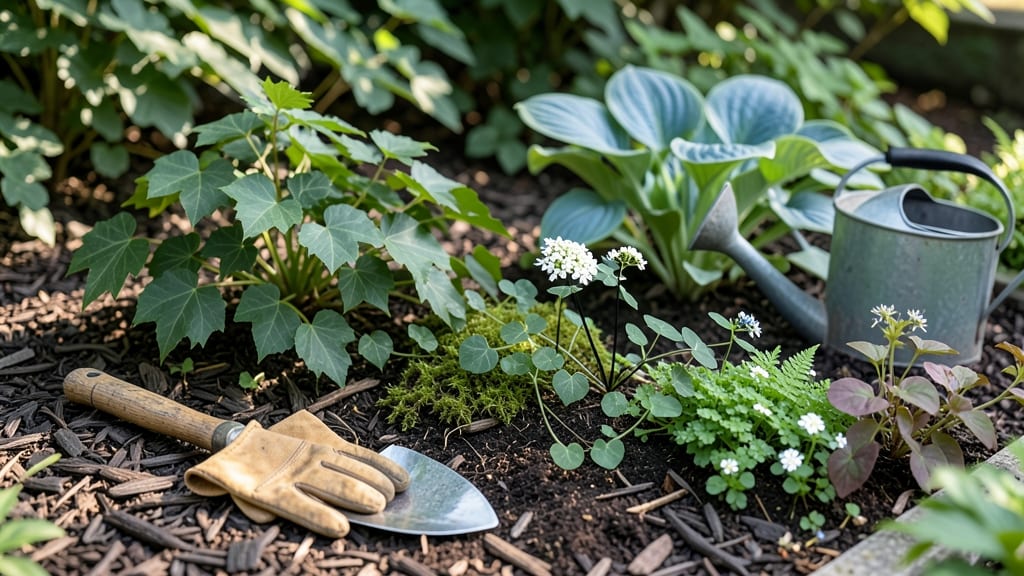
Covering that unsightly tree stump in one growing season turns a yard eyesore into a lush, functional feature. 🌱 I’ve learned the hard way that ignoring a stump invites weeds, tripping hazards, and even rot—so I switched to fast-growing plants that outcompete weeds while adding beauty.
The right choices suppress regrowth, improve soil, and create a polished look without the wait of slow shrubs.
Sunlight and soil type dictate your best options. For full sun, climbing roses, honeysuckle, or Virginia creeper smother stumps in months, while shade lovers like hostas or ferns thrive where light is limited.
Most need well-draining soil—amend clay with compost if needed—and regular watering until established. Even in tough conditions, these plants deliver instant privacy and curb appeal.
By summer’s end, your stump will be hidden under a dense, vibrant green canopy that suppresses weeds and invites pollinators. Roses add fragrance, honeysuckle hums with bees, and Virginia creeper turns fall into a fiery display. The best part? No digging—just plant, water, and watch nature do the rest.
Works for any yard size, from suburban backyards to urban patios. Here’s how to pick the perfect plant for your space and climate—no green thumb required.
📚 In This Guide
- What you need
- Instructions
- Tips and common mistakes
- Wrapping up and next steps
What you need
- ● Fast-growing plants: Choose 3–5 plants per stump (depending on size). Popular options include: Hosta (e.g., Hosta 'Blue Angel' or Hosta 'Sum and Substance')
- ● Ferns (e.g., Ostrich Fern or Maidenhair Fern)
- ● Astilbe (e.g., Astilbe 'Fanal')
- ● Hydrangeas (e.g., Hydrangea macrophylla)
- ● Mulch: 2–3 bags of organic mulch (e.g., shredded bark or wood chips) to retain moisture and suppress weeds.
- ● Compost or fertilizer: 1–2 bags of balanced, slow-release fertilizer (10-10-10 or similar) to boost root growth.
- ○ Soil amendments: Optional but helpful—peat moss or coconut coir (1–2 bags) to improve drainage.
- ● Garden trowel or spade: For digging small holes (6–8 inches deep).
- ● Hoe or garden fork: To loosen soil around the stump (if needed).
- ● Pruners or shears: For trimming plants to size (sharp, clean cuts!).
- ● Watering can or hose with a gentle spray nozzle: To keep plants hydrated without disturbing roots.
- ● Gloves: Heavy-duty work gloves to protect your hands.
- ○ Optional: Stump cover or landscape fabric (to block weeds if mulching isn’t enough).
- ● Decorative stones or edging (for a polished look).
- ● Post-hole digger (if stump is large and you’re adding deeper roots).
- ● ✅ A freshly cut stump (or one with at least 1–2 inches of growth remaining for roots).
- ● ✅ Well-draining soil (amend if clay-heavy or sandy).
- ● ✅ Partial to full shade (most stump-covering plants thrive here!).
- ● ✅ Patience! Fast-growing doesn’t mean instant—expect full coverage in 1–2 seasons.
Instructions for fast-growing privacy screens using tree stump cover plants
Here's how to transform those eyesores into lush, living privacy barriers in record time.
🌱 Step 1: Select the Right Fast-Growing Species for Your Climate
Choose plants that thrive in your hardiness zone and match your site conditions. For full sun areas, bamboo or willow grow aggressively—some varieties expand 12+ feet per year. In partial shade, ivy or hops will smother stumps within months. I always opt for native species first—they require less maintenance and support local ecosystems.
Check the mature height and spread of each plant. A 6-foot-tall bamboo will quickly dwarf a 3-foot stump, while hops can climb 20+ feet on trellises if given support. Measure your stump's diameter and select plants that will cover it three times over within a season. For example, a 2-foot-wide stump needs plants with a 6-foot spread at maturity.
🪴 Step 2: Prepare the Stump Surface for Planting
Remove any remaining roots or debris from the stump’s surface—even small fragments can rot and attract pests. Use a wire brush to rough up the outer 2-3 inches of wood. This creates grip for roots and improves water absorption. If the stump is smooth-barked (like maple or birch), drill ¼-inch holes every 6 inches in a grid pattern to help roots penetrate.
Apply a rooting hormone to the prepared surface—this isn’t optional. I’ve seen stumps take twice as long to establish without it. For larger stumps, consider pre-drilling holes and filling them with a soil-and-compost mix to jumpstart root growth. Water the stump thoroughly until moisture seeps into the wood for 10-15 seconds—this ensures the planting medium stays hydrated.
☀️ Step 3: Plant Your Chosen Cover Species
For bamboo or willow, plant 3-4 cuttings directly into the drilled holes or along the stump’s edge, spacing them 4-6 inches apart. Bury half the length of each cutting—this encourages deep rooting. Use baling twine to loosely tie the stems to the stump until they establish, preventing wind damage. For climbing plants like ivy or hops, secure 3-5 young plants around the stump’s perimeter with soft garden ties, leaving 12 inches of stem free for climbing.
Mulch the base with 2-3 inches of wood chips or straw to retain moisture and suppress weeds. Water deeply twice daily for the first week, then taper to once daily until new growth appears. You’ll see first signs of life in 7-14 days—watch for tiny green shoots or leaf buds swelling along the stems. This is your cue to reduce watering to every other day once roots take hold.
💧 Step 4: Maintain Moisture and Monitor Growth
Fast-growing cover plants drink like sponges during their first season. Keep the soil consistently moist—not soggy, but never dry. I use a soaker hose set to low flow for 20 minutes daily in hot weather. Check moisture by poking a finger 2 inches into the soil—if it’s dry, water immediately. Overwatering here leads to root rot, which can kill your plants before they take hold.
Fertilize lightly with a balanced, slow-release fertilizer (10-10-10) once a month during the growing season. Too much nitrogen encourages leafy growth over roots, which weakens the plant’s ability to cling to the stump. Prune any dead or yellowing leaves promptly—this prevents disease from spreading. By mid-summer, you should see dense foliage covering at least 50% of the stump’s surface. If growth stalls, it’s time to check for pests (like aphids) or adjust watering.
✂️ Step 5: Train and Prune for Maximum Coverage
As plants grow, weave vines (like ivy or hops) around the stump in a spiral pattern to ensure full coverage. For bamboo or willow, gently bend and tie new shoots toward the center of the stump. Prune aggressively in late winter—cut back one-third of the previous year’s growth to encourage thicker, bushier regrowth. This step is critical: overgrown plants lose density and look unkempt.
By year’s end, your stump should be completely obscured by lush foliage. If gaps remain, add 1-2 more plants in early spring. For permanent privacy, consider layering with shrubs or perennials at the stump’s base—this creates a multi-level screen that’s nearly impenetrable. The key is patience and persistence: even the fastest growers need 6-12 months to reach full maturity, but the transformation is worth it.
Tips & tricks for fast-growing privacy screens
Transforming tree stumps into lush privacy screens is all about strategic choices and careful maintenance. Here's what I've learned to make the process even faster and more effective.
Species Selection: When choosing between bamboo, willow, ivy, or hops, consider their growth habits in your specific climate. Bamboo's aggressive spread means it can cover a 3-foot stump completely in just one growing season, but it may need containment if it spreads beyond your desired area. For partial shade, ivy's tenacious climbing ability makes it a game-changer, but opt for English ivy (Hedera helix) varieties that are less invasive than their Japanese counterparts.
Surface Preparation: The key to successful planting lies in proper surface preparation. For larger stumps, I've found that pre-drilling holes and filling them with a soil-compost mix creates an instant rooting medium that can cut establishment time by nearly half. Use a wire brush to create texture on smooth surfaces—this increases surface area by up to 30%, which dramatically improves root attachment. Remember, the rougher the surface, the faster the plants will take hold.
Watering Strategy: The 20-minute daily soaker hose routine during hot weather is non-negotiable for the first month. I've seen plants wither within days when watering is inconsistent. To maximize efficiency, water in the early morning when evaporation rates are lowest. This simple adjustment can reduce water usage by 25% while maintaining optimal moisture levels. The goal is consistent moisture—not saturation—so always check soil moisture by poking your finger 2 inches deep before watering again.
Growth Monitoring: By mid-summer, you should see at least 50% coverage if you've followed the planting instructions carefully. If growth stalls, don't automatically assume it's a failure—check for aphids or spider mites first. A strong spray of water can often dislodge these pests without chemicals. For bamboo and willow, I recommend installing temporary supports if you notice leaning stems—they'll straighten as they grow but need guidance during their first year to develop proper structure.
Pro Tips for Plants To Cover Tree Stumps
- Transforming tree stumps into lush privacy screens is all about strategic choices and careful maintenance.
- Species Selection: When choosing between bamboo, willow, ivy, or hops, consider their growth habits in your specific climate.
- Surface Preparation: The key to successful planting lies in proper surface preparation.
Frequently asked questions
Got questions about covering tree stumps? You’re not alone!
Here are answers to the most common concerns—from timing to troubleshooting—so you can transform that eyesore into a lush, private retreat without the guesswork.
What’s the fastest way to cover a tree stump?
For rapid coverage, opt for bamboo, ornamental grasses (like fountain grass), or ivy. These grow aggressively and can smother a stump in 1–2 seasons. Pair them with mulch to speed up decomposition and encourage root growth. Pro tip: Use a stump grinder first if the stump is large—it’ll give your plants a smoother surface to colonize!
How long does it take for plants to fully cover a stump?
Timing depends on the plant and stump size:
- Fastest options (6–12 months): Bamboo, ivy, or Lonicera japonica (Japanese honeysuckle).
- Moderate (1–2 years): Ornamental grasses, hostas, or ferns.
- Slower (2+ years): Shrubs like Weigela or Spirea.
Can I use weeds or wild plants to cover a stump?
Native weeds like milkweed, goldenrod, or clover
are eco-friendly and low-maintenance. They’ll outcompete grass and suppress regrowth naturally. Warning: Avoid invasive species (e.g., English ivy or kudzu)—they can spread uncontrollably. Pro tip: Let them grow wild for a wildflower meadow vibe!
What if my stump keeps sprouting new shoots?
Even after covering, tree stumps can regrow from dormant buds. Fix it:
Yes! Epiphyte plants (air plants) like tillandsias or moss thrive on wood without soil. For a whimsical look:
Bonus: Some plants (like black walnut) are resistant to regrowth—check before planting!
Are there plants that don’t need soil to grow on a stump?
Water tip: Mist these plants daily—they absorb moisture from the air!
Wrapping up and next steps
Transforming a bare tree stump into a lush, private haven is easier—and faster—than you think!
Whether you choose sun-loving grasses, fragrant flowering shrubs, or hardy perennials, the right plants not only hide unsightly stumps but also boost your yard’s beauty and function. 🌱 With the right prep and species, you could see results in just one growing season—no waiting years for a full privacy screen!
Ready to take the next step? Pick your top 3 plants from this guide, gather your tools, and start planting this weekend. Before you know it, your stump will be a thriving green oasis—and your neighbors will be asking for your secret! 🌿✨