
Pruning
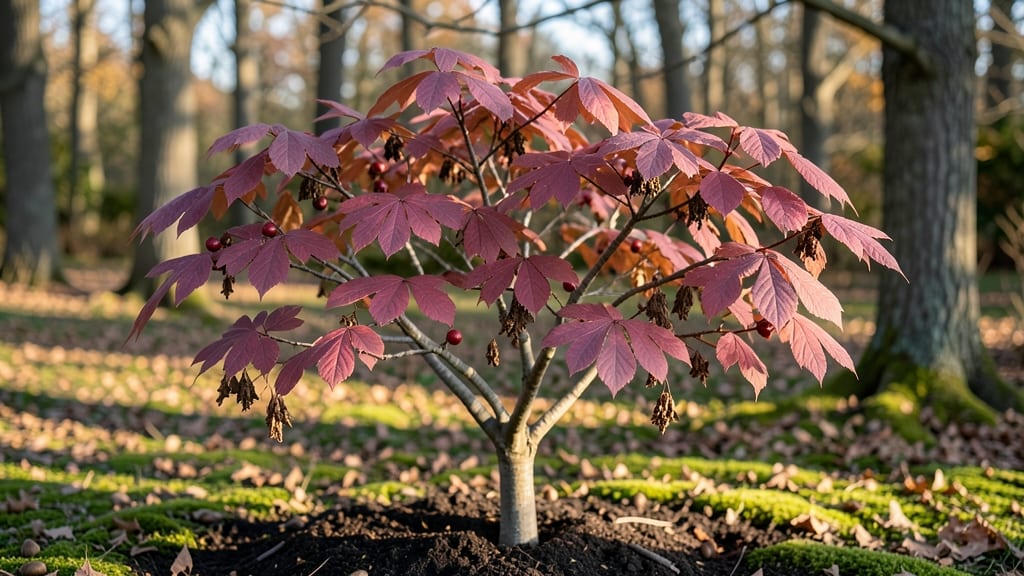
Fall transforms the pink dogwood tree in fall into a jewel-toned masterpiece—if you prune it right. 🌿 The secret to next spring’s stunning blooms starts now, before winter dormancy sets in.
I’ve pruned mine for years, and the difference between a healthy, vibrant tree and a struggling one comes down to timing, technique, and a few key cuts. The best time to prune is late fall to early winter, after leaves drop but before hard frost.
Look for vibrant red leaves—a sign the tree is ready. Remove dead, diseased, or crossing branches first, then thin the canopy to improve airflow. A sharp pair of pruners and 30 minutes is all you need to set your dogwood up for a spectacular spring.
You’ll notice fewer pests next season, thanks to better airflow, and the tree will focus energy on stronger root growth over winter. Mulch lightly around the base to protect roots from freezing, but avoid piling it against the trunk.
Water deeply once before the ground freezes to ensure hydration through dormancy. Fall prep isn’t just about pruning—it’s about giving your dogwood the best shot at surviving winter and bursting into bloom again. Trust me, your future self will thank you when those pink flowers reappear next spring.
📚 In This Guide
- What you need
- Instructions
- Tips and common mistakes
- Wrapping up and next steps
What you need
- ● Pruning shears: Sharp, bypass-style shears (for clean cuts on smaller branches). Size: 6–8 inches.
- ● Loppers: For thicker branches (up to 2 inches in diameter). Look for: Ratcheting or bypass loppers for precision.
- ● Pruning saw: Curved-tooth saw for branches over 2 inches thick. Bonus: Non-stick blade to avoid sap buildup.
- ● Disinfectant (70% isopropyl alcohol or bleach solution): 1 part bleach to 9 parts water—sterilize tools between cuts to prevent disease.
- ● Gloves: Heavy-duty, cut-resistant gloves (e.g., leather or synthetic blend) to protect hands from thorns and sap.
- ● Ladder or step stool: Sturdy and tall enough to reach the tree’s highest branches safely. Pro tip: Use a non-slip base!
- ● Trash bags or bucket: For collecting pruned branches and debris. Size: 13-gallon or larger.
- ○ Marking twine or flags: Optional but helpful for labeling branches to prune (e.g., colored twine or small stakes).
- ● Hand pruners with a bypass blade: For delicate trimming of smaller stems.
- ● Pole pruner: Extendable tool for high branches (if you’re avoiding a ladder).
- ● Tree wound dressing: Not recommended for dogwoods (they seal wounds naturally), but handy for other trees.
- ● Safety glasses: Protect your eyes from flying debris.
- ● Work apron: Keeps tools organized and your clothes clean from sap.
Instructions for pruning pink dogwood trees in fall
Fall is the perfect time to shape your pink dogwood for next spring's showstopping blooms—here’s how to do it right.
🌿 Step 1: Time Your Pruning for Optimal Healing
Prune your pink dogwood 4-6 weeks before your first hard frost—typically between late October and mid-November. This timing lets wounds heal before winter’s chill sets in, preventing disease entry points. I always check my local frost date and mark the calendar—pruning too early stresses the tree, while waiting too long risks winter damage.
Look for yellowing leaves as your cue. When about 25% of the foliage has turned golden or brown, it’s time. Avoid pruning after leaves drop completely—dormant trees are more vulnerable to stress. If you’re unsure, err on the earlier side; dogwoods handle light pruning better than aggressive cuts in late fall.
✂️ Step 2: Remove Dead, Diseased, or Crossing Branches
Start by sterilizing your pruners with rubbing alcohol—dogwoods are prone to fungal issues like anthracnose, and clean tools prevent spreading spores. Snip out any dead branches first; they’re easy to spot—they’re gray, brittle, and snap when bent. Next, remove branches with signs of disease (black spots, oozing sap, or unusual growths). Bag these immediately and dispose of them away from your garden.
Now focus on crossing or rubbing branches. These compete for energy and create weak points where splits can occur. Use your hand as a guide—if two branches touch when the tree is at rest, one must go. Cut back to the branch collar (the swollen area where the branch meets the trunk) for the cleanest heal. Never leave stubs; they invite decay.
☀️ Step 3: Thin the Canopy for Better Airflow and Light
Dogwoods thrive with an open, airy canopy—this reduces humidity in the branches, cutting down on fungal risks. Step back and visualize the tree’s shape. Aim for a rounded, vase-like form, with the widest part at the bottom narrowing toward the top. Remove branches that grow straight upward (they’re weak and block light) and those that grow too close together (they compete for nutrients).
For each cut, aim to reduce the canopy by no more than 25% in total. Thin from the inside out—start with branches deep in the center to let light and air reach the core. Use hand pruners for branches under ½ inch thick and loppers for thicker branches up to 2 inches. For anything larger, call in a professional—dogwoods are sensitive, and improper cuts can take years to heal.
🪴 Step 4: Shape for Winter Hardiness and Spring Blooms
Now’s the time to refine the tree’s structure for winter resilience. Focus on removing water sprouts—those fast-growing, vertical shoots that pop up everywhere. They’re a dogwood’s way of trying to fill gaps, but they’re weak and drain energy. Cut them back to the branch collar or a lateral bud facing outward.
Next, prune to encourage next spring’s blooms. Pink dogwoods flower on last year’s growth, so avoid heavy pruning that removes old wood. Instead, lightly trim the outer edges to maintain a balanced shape. If your tree has long, leggy branches, shorten them by ⅓ to promote bushier growth. Always cut just above a bud that faces outward—this ensures new growth will fill in gaps rather than grow inward.
⏰ Step 5: Clean Up and Protect for Winter
After pruning, rake up all fallen leaves and debris within a 10-foot radius of the tree. Dogwoods are prone to fungal diseases, and leaving leaf litter creates a moist, inviting environment for spores. Dispose of pruned branches in the trash (not your compost pile)—they can harbor pathogens.
Apply a 2-3 inch layer of mulch around the base, keeping it 6 inches away from the trunk to prevent rot. Use shredded bark or wood chips—they insulate roots and retain moisture. Water deeply before the first frost to hydrate the roots for winter. If your dogwood is young or in a windy area, consider wrapping the trunk with tree guard to protect it from sunscald and animal damage.
Tips & tricks for pruning pink dogwood trees in fall
Here's what nobody tells you about pruning that'll make all the difference for your tree's health and next spring's stunning blooms.
Timing is Everything: That 4-6 week window before your first hard frost isn't just a suggestion—it's critical. I learned this the hard way after pruning too late one fall. The wounds need time to heal before winter's freeze sets in. Check your local frost dates and mark your calendar. If you're in a warmer climate where frost comes late, you might extend this to early December. The key is to finish before the tree enters full dormancy.
Pruning Technique Matters: When cutting branches, always make your cuts just above a bud that faces outward. This ensures new growth will fill in gaps rather than grow inward. I've seen so many trees with awkward growth patterns because people didn't follow this simple rule. Also, never leave stubs—cut cleanly at the branch collar. This prevents decay and gives your tree the best chance to heal properly. For branches thicker than 2 inches, consider calling a professional—dogwoods are sensitive to improper cuts.
Tool Preparation is Non-Negotiable: Sterilizing your pruners with rubbing alcohol before you start isn't just good practice—it's essential. Dogwoods are particularly susceptible to fungal diseases like anthracnose. I always keep a small bottle of rubbing alcohol in my gardening kit specifically for this purpose. After each cut, especially when dealing with diseased branches, wipe down your tools again. This prevents spreading spores to healthy parts of your tree.
Visualize the Shape First: Before making any cuts, step back and really look at your tree's structure. Aim for a rounded, vase-like form with the widest part at the bottom. Remove branches that grow straight upward—they're weak and block light from reaching the interior. Thin from the inside out to improve airflow and reduce humidity in the canopy. This simple step makes all the difference in preventing fungal issues and encouraging healthy growth.
Pro Tips for Pink Dogwood Tree In Fall
- Here's what nobody tells you about pruning that'll make all the difference for your tree's health and next spring's stunning blooms.
- Timing is Everything: That 4-6 week window before your first hard frost isn't just a suggestion—it's critical.
- Pruning Technique Matters: When cutting branches, always make your cuts just above a bud that faces outward.
Frequently asked questions
Got questions about keeping your pink dogwood tree stunning in fall and prepped for winter?
Here are answers to the most common ones—so you can prune with confidence!
When is the best time to prune a pink dogwood tree in fall?
The ideal window is late fall to early winter (November–December), after leaves drop but before harsh freezes. This timing minimizes stress and allows the tree to heal before spring blooms. Avoid pruning in late winter—you’ll cut off next year’s flower buds!
Can I prune a pink dogwood tree in late fall if winter is coming soon?
Yes, but only if temperatures stay above freezing for a few days post-pruning. If frost is imminent, wait until January (after the worst cold passes). Cold weather slows healing, increasing risk of disease or dieback. When in doubt, cover cuts with pruning sealant for protection.
Will pruning my pink dogwood tree in fall affect next year’s pink blooms?
Not if you follow the right rules! Dogwoods bloom on old wood, so avoid heavy pruning. Focus on removing dead/diseased branches and light shaping (no more than 20% of the canopy). Timing matters too—prune after blooming (late spring) or late fall to preserve flower buds.
What should I do if my pink dogwood tree has brown, crispy leaves in fall?
Brown/crispy leaves are usually normal in fall, but if they appear early or paired with wilting, check for:
- Powdery mildew (white fuzzy spots) – Prune infected branches and apply neem oil.
- Bacterial leaf spot (dark spots with yellow halos) – Remove affected leaves and sterilize tools.
- Drought stress – Water deeply if soil is dry (dogwoods hate soggy roots but need consistent moisture).
Are there alternatives to pink dogwood trees that are easier to prune?
If pink dogwoods seem high-maintenance, consider these low-fuss, fall-colorful alternatives:
- Serviceberry (Amelanchier) – Tolerates pruning, edible berries, and stunning fall foliage.
- Viburnum (e.g., ‘Annabelle’) – Hardy, disease-resistant, and blooms reliably.
- Crabapple (Malus) – Some varieties (like ‘Royalty’) have pink blooms and hold up well to light pruning.
Wrapping up and next steps
The pink dogwood tree in fall is a stunning centerpiece that thrives with the right care—especially strategic pruning! By following these winter-ready tips, you’ll ensure vibrant blooms and healthy growth for seasons to come. Remember, timing, tools, and technique are your best friends. 🌸✂️
Ready to take action? Grab your pruners and schedule that late-winter or early-spring trim—your tree (and future springtime show!) will thank you. Happy gardening! 🌿