
Pruning
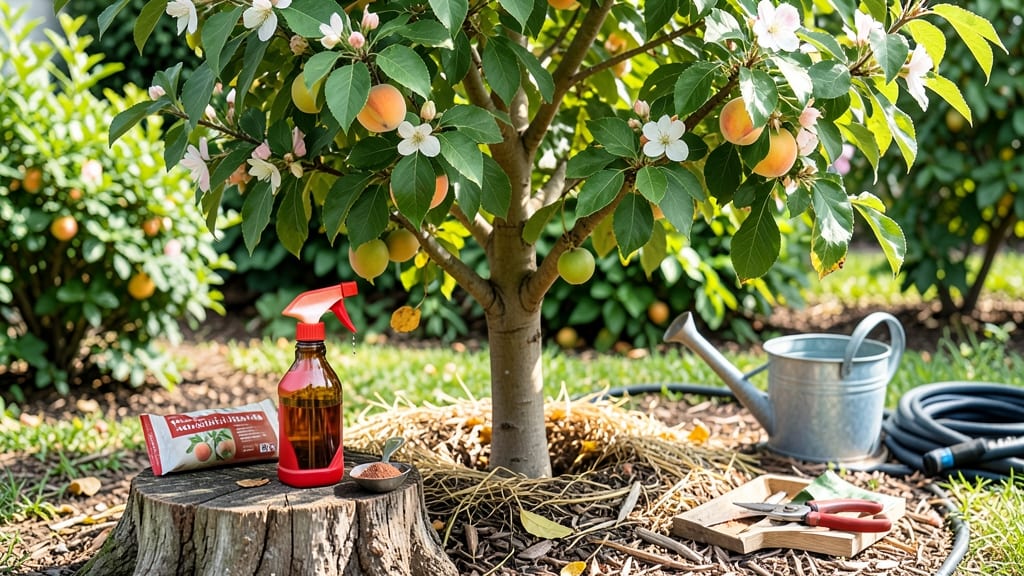
Winter pruning your peach tree treatment isn’t just about shaping—it’s the secret weapon for stronger blooms next spring. 🌸 I’ve watched my tree go from sparse, weak flowers to a riot of pink blossoms in just two seasons after I started pruning right.
The key? Timing, cuts, and knowing what to remove before buds swell.
Most gardeners wait too late or cut too aggressively, and that’s how you end up with fewer blooms—or worse, a tree that never recovers. The right approach opens up the canopy for sunlight, removes diseased wood, and encourages new growth where it matters.
Think of it like giving your tree a spa day before the growing season begins.
By early February, you’ll see fresh green shoots pushing from the pruned branches, and those buds will pack more energy for blooming. The tree becomes more resilient against pests and diseases too, since you’re removing weak spots where problems love to hide.
It’s not just about pruning—it’s about setting your peach tree up for a showstopping spring.
Works for backyard trees in zones 5-9, whether you’re dealing with an established tree or a young sapling. Here’s how to do it right without overcomplicating things—no fancy tools required.
Root Causes Of Winter Stress
Winter pruning is a powerful tool for boosting peach tree health and next year’s blooms—but if done incorrectly, it can trigger stress that weakens your tree. Understanding the why behind these issues helps you avoid common pitfalls and prune with precision. Here’s what’s really going on under the bark.
Peach trees rely on a delicate balance of sap flow to survive winter. When you remove too many branches at once, the tree loses its ability to transport water, nutrients, and energy efficiently.
- Scientific Explanation: Trees store carbohydrates in their roots and branches as winter reserves. If you prune too aggressively, the tree’s source-to-sink ratio (the balance between energy producers like leaves and energy consumers like roots) gets thrown off.
Without enough leaves or bark to photosynthesize, the tree struggles to replenish lost reserves. - Actionable Insight: Stick to the "30% rule"—never remove more than 30% of the tree’s canopy in a single winter session.
Thin out crowded branches first, then shape the tree gradually over 2–3 years.
Peach trees enter dormancy in late fall to conserve energy, but pruning at the wrong time forces them to wake up prematurely—like jolting someone out of hibernation too early.
- Scientific Explanation: Trees produce growth hormones (auxins and cytokinins) in response to temperature shifts. If you prune too early (before hard frosts set in), the tree may start sending out weak, frost-sensitive shoots that die back.
Pruning too late (after buds swell in early spring) can expose the tree to bacterial canker or silver leaf disease. - Actionable Insight: - Best window: Late winter (just as buds begin to swell, but before green growth starts). - Avoid: Pruning after mid-February in cold climates or when daytime temps consistently rise above 50°F (10°C).
A sloppy cut isn’t just unsightly—it’s an open invitation for pathogens and pests. Peach trees are particularly vulnerable to bacterial infections and borers through improper pruning wounds.
- Scientific Explanation:
- Ragged cuts leave jagged edges that don’t heal cleanly, creating entry points for Pseudomonas syringae (bacterial canker) or Xylella fastidiosa (peach leaf scorch).
- Stub cuts (leaving a small bump) trap moisture, promoting fungal rot.
- Over-thinning removes protective bark, exposing the cambium layer (the tree’s growth engine) to cold and pests.
- Actionable Insight:
- Use sharp, clean tools (sterilize with 70% rubbing alcohol or bleach water).
- Make cuts at the branch collar (the swollen area where the branch meets the trunk) to preserve healing tissues.
- Avoid flush cuts—leave ¼-inch stubs at most to prevent dieback.
Peach trees are heavy feeders, and winter pruning without proper nutrient replacement can starve them—especially if the soil is already depleted.
- Scientific Explanation: - Pruning removes leaf surface area, reducing the tree’s ability to absorb sunlight for photosynthesis. - If the tree isn’t given potassium (K) and phosphorus (P) post-prune, it struggles to seal wounds and rebuild energy stores. - Zinc and boron deficiencies (common in peach trees) worsen after heavy pruning, leading to poor bloom development. - Actionable Insight: - Apply a balanced fertilizer (10-10-10 or 5-10-10) 4–6 weeks after pruning to replenish lost nutrients. - Mulch heavily (3–4 inches of wood chips) to retain moisture and boost microbial activity in the soil. - Test soil pH—peach trees thrive in slightly acidic soil (6.0–6.5).
Adjust with lime (to raise pH) or sulfur (to lower pH) if needed.
A stressed peach tree is like an open buffet for pests and fungi. Winter pruning can weaken the tree’s defenses, making it more susceptible to attacks.
- Scientific Explanation:
- Peach tree borers (Sanninoidea exitiosa) target wounded wood, laying eggs in fresh cuts.
- Powdery mildew (Podosphaera oxyacanthae) thrives on stressed, slow-growing branches.
- Aphids and mites flock to new shoots that sprout from improper pruning.
- Actionable Insight:
- Seal large cuts with pruning sealant (for cuts over ½ inch in diameter).
- Monitor for borers—look for sawdust-like frass near pruning wounds.
- Encourage beneficial insects (ladybugs, lacewings) with neem oil sprays after pruning.
Even the best pruning job can backfire if the tree isn’t protected from harsh winter conditions.
- Scientific Explanation:
- Excessive wind exposure increases transpiration (water loss), drying out pruned branches.
- Frost cracks form when rapid temperature swings cause the bark to split—common after aggressive thinning.
- Late-winter sun scald (south-facing bark damage) occurs when sudden warmth after cold snaps forces sap to rise too quickly.
- Actionable Insight:
- Prune on calm days to reduce stress from wind.
- Wrap young trees in tree guard or burlap to prevent sun scald.
- Avoid pruning before hard frosts—wait until after the coldest part of winter has passed.
Pro Tip 💡: If your peach tree shows signs of stress after pruning—yellowing leaves, oozing wounds, or stunted growth—it’s not too late! Apply a seaweed-based fertilizer (rich in growth hormones) and mulch heavily to help recovery.
Revive Your Peach Tree Naturally
Strategic winter pruning isn’t just about shaping your peach tree—it’s about preventing disease, boosting fruit production, and ensuring stronger blooms. Below, we break down the most common issues after winter pruning and provide practical, step-by-step solutions to get your tree thriving again. Plus, we’ll share pro tips to keep problems at bay for next season!
If your peach tree looks leggy, sparse, or slow to regrow after winter cuts, it may be struggling with improper pruning or nutrient loss. Here’s how to fix it:
🔥 Cause: Over-Pruning or Wrong Timing
Cutting too aggressively (more than 25-30% of the canopy) or pruning too late in winter (when buds are already swelling) can shock the tree. Peach trees are late dormancy breakers—they need time to recover before spring growth.
👨🍳 Fix: Adjust Your Cuts & Feed Smartly
- Prune at the right time: Do it late winter to early spring (just as buds begin to swell but before they burst). For colder zones, wait until after the last frost.
- Thin out, don’t shear: Remove dead, crossing, or inward-growing branches—never just hack off random limbs. Aim for an open-center shape to allow sunlight and airflow.
- Fertilize for recovery: Use a balanced fertilizer (10-10-10) or a high-nitrogen blend (like 20-5-5) right after pruning. Pro tip: Mix in compost or aged manure to improve soil structure.
- Water deeply: Give the tree 1-2 inches of water per week (more in extreme heat) to support new growth.
💡 Prevention Tips
- Mark branches with paint or flags before pruning to avoid over-cutting.
- Avoid pruning in wet weather—it spreads disease and slows healing.
- Mulch heavily (3-4 inches of wood chips) to retain moisture and regulate soil temperature.
If branches turn brown, crispy, or ooze sap after pruning, your tree might be dealing with bacterial canker, frost damage, or improper cuts. Here’s how to diagnose and treat it:
🔪 Cause: Improper Cuts or Disease
- Bacterial canker (common in peach trees) causes sunken, oozing cankers and dead branches.
- Frost damage (if pruned too early) can kill new buds before they open.
- Ragged cuts leave entry points for pests and pathogens.
🍳 Fix: Clean Cuts & Disease Control
- Prune infected branches 6-12 inches below the canker (use sterilized tools—wipe with rubbing alcohol between cuts).
- Seal cuts (for larger branches) with pruning sealant to prevent infection.
- Apply copper fungicide (like Copper Soap) 3 times per season (spring, summer, fall) to prevent bacterial canker.
- Remove and destroy infected branches far from the tree (don’t compost them!).
🎯 Prevention Tips
- Prune on a dry, sunny day to help cuts dry quickly and reduce rot risk.
- Plant peach trees in full sun (at least 6-8 hours of sunlight daily) to minimize frost damage.
- Thin fruit in summer to reduce stress on the tree—less fruit = more energy for recovery.
If your peach tree has leaves but no flowers or fruit, it might be over-pruned, stressed, or not getting enough sunlight/nutrients. Here’s how to encourage blooming:
🌿 Cause: Lack of Energy or Improper Pruning
- Too much pruning removes flowering wood (peach trees bloom on 1-year-old wood).
- Too little sunlight (from overcrowded branches) weakens flowering signals.
- Nutrient deficiency (especially phosphorus and potassium) stunts bloom production.
⏰ Fix: Balance Pruning & Boost Blooms
- Prune lightly next year: Keep 70-75% of the canopy to preserve flowering wood.
- Add bloom-boosting fertilizer: Use a high-phosphorus fertilizer (like 5-10-10) in early spring as buds swell.
- Thin out dense branches to improve airflow and sunlight penetration.
- Consider a bloom spray: Organic options like fish emulsion or seaweed extract can stimulate flowering.
✨ Prevention Tips
- Avoid late-season pruning—it removes next year’s flower buds.
- Plant companion flowers (like dwarf fruit trees nearby) to attract pollinators.
- Test your soil—peach trees prefer slightly acidic soil (pH 6.0-6.5). Amend with sulfur if needed.
With these targeted fixes, your peach tree should bounce back stronger than ever—ready for abundant blooms and juicy fruit next season. Remember, consistency is key: proper pruning, disease watch, and smart feeding will keep your tree healthy for years!
Frequently asked questions about peach tree care
When is the best time to prune my peach tree for maximum blooms?
Prune your peach tree during late winter to early spring, just as buds begin to swell but before they burst. For colder zones, wait until after the last frost. This timing ensures the tree has time to recover before spring growth while preserving next year’s flower buds. Avoid pruning in wet weather or when temperatures fluctuate wildly.
How much of my peach tree should I remove during winter pruning?
Never remove more than 25-30% of the canopy in a single session. Focus on thinning out dead, crossing, or inward-growing branches to create an open center. Over-pruning stresses the tree and reduces next year’s blooms. Mark branches with paint or flags before cutting to avoid overdoing it.
What should I do if my peach tree has brown, oozing branches after pruning?
This is likely bacterial canker, a common issue in peach trees. Prune infected branches 6-12 inches below the canker using sterilized tools (wipe with rubbing alcohol). Seal larger cuts with pruning sealant and apply copper fungicide three times per season. Remove infected branches far from the tree to prevent spread.
How can I encourage more blooms on my peach tree?
Peach trees bloom on 1-year-old wood, so avoid heavy pruning that removes flowering branches. Use a high-phosphorus fertilizer (5-10-10) in early spring as buds swell. Thin dense branches to improve sunlight and airflow, and consider organic bloom sprays like fish emulsion. Test soil pH—peach trees thrive in slightly acidic soil (6.0-6.5).
Can I use the same pruning tools for my peach tree and other fruit trees?
No, always sterilize tools between trees to prevent spreading diseases. Wipe blades with 70% rubbing alcohol or bleach water after each use. Peach trees are particularly vulnerable to bacterial canker, so clean tools are critical. Dedicate tools to peach trees if possible, or thoroughly clean them between uses.