
Pruning
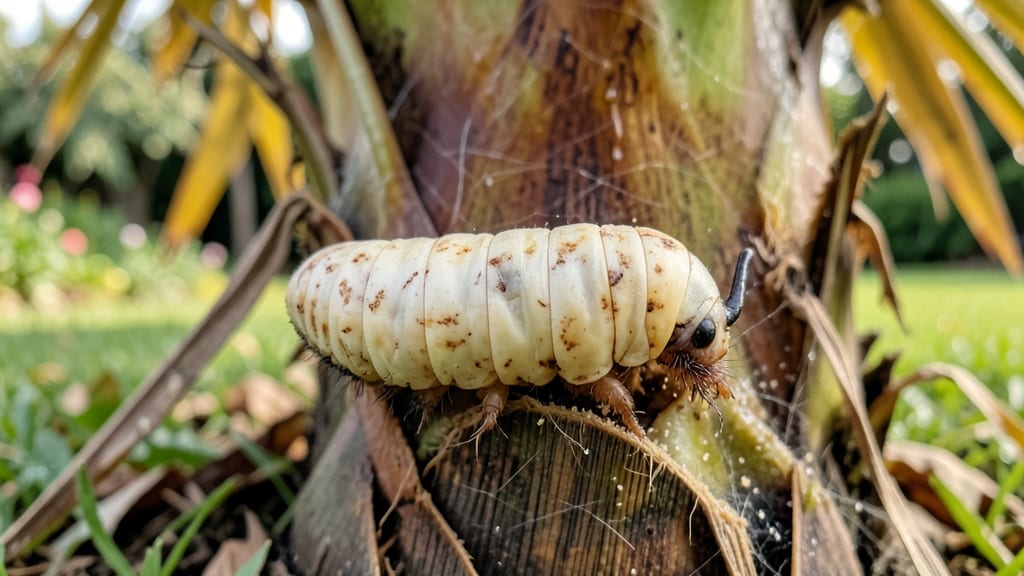
Your palm tree’s fronds might look healthy from the ground, but hidden pests like palm weevils or spider mites can silently destroy them from within. 🌿 I’ve seen even the sturdiest palms collapse in months when these insects go unchecked—until I learned the early signs and organic defenses that actually work.
The key is acting fast: yellowing fronds, sawdust-like frass, or sticky honeydew are red flags. Most people wait too long, assuming it’s just drought stress. But once those grubs burrow into the trunk, it’s often too late for the tree. The good news?
A mix of neem oil, beneficial nematodes, and proper pruning can stop them before they cause permanent damage. By the end of this guide, you’ll spot these pests before they spread and know exactly how to treat them—without harsh chemicals that harm pollinators.
Your palm’s canopy will stay lush, and you’ll avoid the heartbreak of losing a tree you’ve invested in. Works for tropical, subtropical, and even container palms. Let’s get your tree back to thriving!
📚 In This Guide
- What you need
- Instructions
- Tips and common mistakes
- Wrapping up and next steps
What you need
- ● Safety gear: Gloves (nitrile or rubber, 1 pair)
- ● Safety goggles (1 pair)
- ● Long-sleeved shirt and pants (lightweight, breathable fabric)
- ● Closed-toe shoes or boots (for stability)
- ● Inspection tools: Hand lens or magnifying glass (5x–10x magnification)
- ● Flashlight or headlamp (LED, rechargeable)
- ● Small pruners (bypass pruners, 6–8 inch blades)
- ● Treatment supplies: Hose with adjustable nozzle (for rinsing insects)
- ● Neem oil (organic insecticide, 16 oz bottle) or insecticidal soap (32 oz)
- ● Spray bottle (16 oz, with fine mist setting)
- ● Soft-bristle brush (for gentle scrubbing)
- ● Ladder or extension pole (for tall palms, 10–20 ft)
- ● Pruning saw (for larger fronds, 10–12 inch blade)
- ● Beneficial nematodes (for soil-dwelling pests, 1–5 million per application)
- ● Camera or smartphone (to document infestations before/after treatment)
- ● Notebook and pen (to track pest activity and treatment dates)
Step-by-step guide to identifying and treating palm tree insects
Here's how to keep your palms thriving by spotting pests early and acting fast.
🌿 Step 1: Inspect Your Palm Tree for Early Signs
Start by examining the fronds, trunk, and soil line for subtle clues. Look for tiny webs between leaves (a sign of spider mites), sticky residue on fronds (scale insects), or tiny holes in leaves (palm weevil larvae). I always check the undersides of fronds first—that's where pests hide.
Run your fingers along the leaf stems and rachis. You'll feel small bumps or rough textures if scale insects or mealybugs have set up camp. Healthy fronds should feel smooth and slightly waxy. If you see fronds yellowing from the tips inward, that's often a sign of palm aphids or thrips.
🔍 Step 2: Identify the Specific Pest Threat
Palm trees face three main insect threats: spider mites (tiny red dots), scale insects (brown bumps), and palm weevils (the most destructive). Spider mites love dry conditions, so check during drought periods. Scale insects appear as small, immobile bumps on stems and leaf undersides.
For palm weevils, look for fronds that suddenly wilt and die—this is their signature attack. The weevil larvae bore into the trunk, cutting off nutrients. If you see sawdust-like frass around the base, that's a sure sign. I've seen weevils destroy a 20-foot palm in just 6 weeks, so act fast if you spot these clues.
💧 Step 3: Apply Natural Treatments Targeted to the Pest
For spider mites and scale, I spray a neem oil solution (1 tablespoon neem oil + 1 quart water + a drop of dish soap) directly on infested areas. Reapply every 5-7 days until pests disappear. The soap breaks down their protective wax layer while neem oil disrupts their life cycle.
For palm weevils, the battle is different. Remove all infested fronds immediately and dispose of them in sealed bags. Then inject beneficial nematodes (like Steinernema carpocapsae) into the trunk through small holes drilled near the base. These microscopic worms seek out and kill weevil larvae inside the trunk.
☀️ Step 4: Maintain Long-Term Palm Tree Health
Healthy palms resist pests better. Water deeply once a week during dry spells to encourage strong root growth. I always check soil moisture by sticking my finger 2 inches deep—if it's dry, it's time to water. Overwatering creates ideal conditions for fungal diseases that weaken trees and attract pests.
Apply a balanced palm fertilizer (like 8-2-12) every 3 months during growing seasons. Focus on the root zone, not the fronds. I've found that palms fertilized regularly have thicker trunks and fewer pest problems. Also, prune dead fronds immediately—they harbor pests and diseases.
⏰ Step 5: Monitor and Prevent Future Infestations
Set a reminder to inspect your palm every 2 weeks during warm months. Early detection is key—treatments work best before pests spread. I keep a small magnifying glass handy to spot tiny eggs or early-stage infestations. If you see birds pecking at your palm, that's a good sign—they're eating pests!
Create a 1-foot-wide barrier of wood chips or mulch around the base to deter crawling insects. I also recommend planting citrus-scented herbs (like lemongrass) nearby—they repel many palm pests naturally. Regular maintenance keeps your palm looking lush and pest-free for years.
Tips & tricks for healthy palm tree defense
These practical tips will help you spot problems early and keep your palm thriving naturally.
Early Detection is Everything: I can't stress this enough—check your palm's undersides first! That's where pests like spider mites and scale insects hide. Use a flashlight to inspect leaf undersides during late afternoon when pests are most active. The earlier you catch them, the easier they are to treat.
The Weevil Warning Sign: Palm weevils are the most destructive, but their damage is obvious. If you see fronds suddenly wilting and dying, that's their signature move. Check the base of the trunk for sawdust-like frass—this is the weevil larvae's waste and a clear sign they're already inside. Once they're in, treatment becomes much harder.
Treatment Timing Matters: When using the neem oil solution, apply it in the early morning or late evening when temperatures are cooler. This prevents the oil from evaporating too quickly and gives it time to work. For nematodes, inject them during the warmest part of the day—they're most active and effective when temperatures are between 70-85°F.
Preventative Barrier Strategy: Create that 1-foot-wide mulch barrier around your palm's base—it's one of the simplest but most effective defenses. I recommend using wood chips or pine straw, which naturally repel crawling insects. This physical barrier works even better when combined with citrus-scented herbs like lemongrass planted nearby.
Pro Tips for Palm Tree Insects
- These practical tips will help you spot problems early and keep your palm thriving naturally.
- Early Detection is Everything: I can't stress this enough—check your palm's undersides first!
- The Weevil Warning Sign: Palm weevils are the most destructive, but their damage is obvious.
Frequently asked questions
Got questions about palm tree insects? You’re not alone!
Here are some of the most common concerns homeowners and gardeners have when dealing with these pesky critters—and how to tackle them like a pro.
What are the most common insects that attack palm trees?
The top culprits include palm weevils (especially the red palm weevil), palm aphids, mealybugs, scale insects, and thrips. Each targets different parts of the tree—roots, fronds, or trunks—so early identification is key. Check our guide to spot signs like wilting fronds or sawdust-like frass.
How quickly can insects destroy a palm tree if left untreated?
It depends on the pest! Red palm weevils can kill a tree in as little as 2–6 weeks once they infest the trunk, while aphids or mealybugs may take months to weaken it. Scale insects slowly drain sap over time. Act fast—prune damaged fronds and treat at the first sign of stress to buy your tree time.
Are there natural or chemical-free ways to control palm tree insects?
Start with pruning to remove infested fronds, then apply neem oil or insecticidal soap for soft-bodied pests like aphids. For weevils, fertilize with systemic insecticides (like imidacloprid) or inject bacteria-based treatments (e.g., Bacillus thuringiensis). Learn more organic fixes to keep your tree—and the planet—happy.
How much does professional treatment cost for severe infestations?
Costs vary by pest and tree size, but here’s a rough breakdown:
Service
Estimated Cost (USD)
Inspection + minor treatment (aphids/mealybugs)
$100–$300
Red palm weevil eradication (trunk injection + monitoring)
$500–$1,500+
Full-scale infestation (multiple treatments + pruning)
$1,000–$3,000+
Can I save a palm tree if it’s already showing major insect damage?
Maybe! If the trunk is soft or hollow (weevil damage), the tree is likely beyond saving. But for frond-only issues (like thrips or scale), aggressive pruning + treatment can revive it. Act within 2–4 weeks of noticing damage. For hopeless cases, consider safe removal to prevent spreading pests to other plants.
Wrapping up and next steps
Palm tree insects may seem intimidating, but with the right knowledge and tools, you can protect your canopy and keep your palm thriving! 🌿 From identifying early signs of infestation to choosing eco-friendly treatments, you now have a clear roadmap to safeguard your tree’s health. Don’t wait until damage spreads—take action today and give your palm the care it deserves.
Next step: Grab your supplies, inspect your palm, and start treating those pests before they become a bigger problem. Your tree will thank you with lush, vibrant growth for years to come! 🌴✨