
Pruning
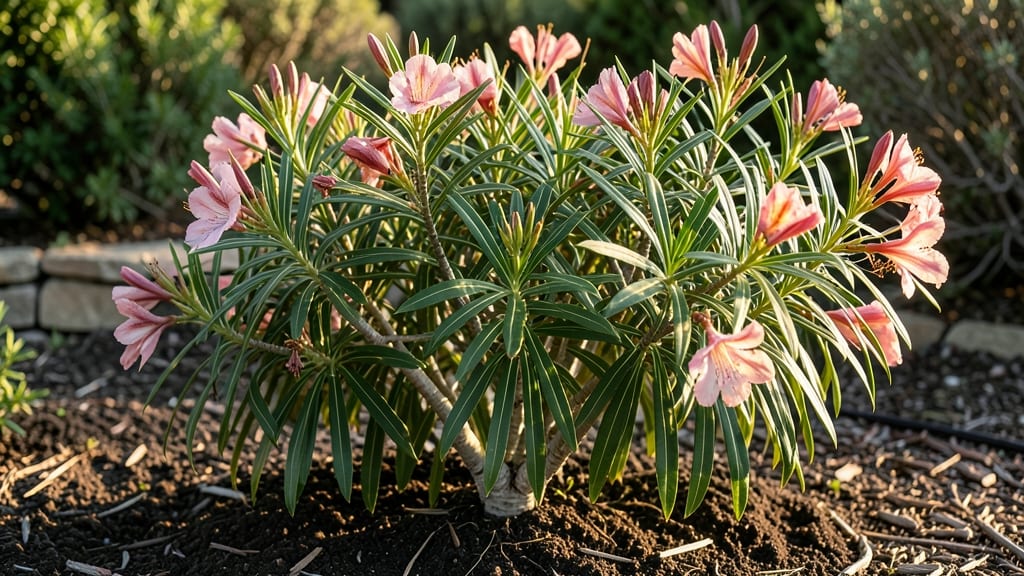
Growing an oleander tree in Florida 🌸 is a year-round dream—until you realize every part of this stunning shrub is toxic if ingested or even inhaled.
You might love its glossy leaves and fragrant blooms, but oleander poisoning is no joke: symptoms in pets and kids can include vomiting, dizziness, and even heart failure. The good news? With the right care, you can keep your family safe while enjoying its bold presence in your landscape.
From soil prep to pruning, Florida’s heat and humidity demand a few extra steps to prevent stress-induced toxicity spikes. I’ll walk you through the exact conditions this tree thrives in—plus how to handle pests, salt spray, and the rare (but possible) frost warning.
Ready to grow a safer oleander? Let’s break down the Florida-specific care that keeps your yard beautiful and your household healthy.
Oleander tree care in Florida: soil, sunlight, and watering requirements
Florida’s year-round sunshine makes oleander trees thrive, but their optimal growing conditions require careful attention to soil composition, sun exposure, and watering schedules.
Unlike many plants, oleanders are drought-tolerant once established, but Florida’s humidity and heat demand precise care to prevent stress—especially since stressed plants can produce higher toxicity levels. Let’s break down the essential requirements for cultivating healthy, vibrant oleanders in the Sunshine State.
Oleanders love well-draining soil with a slightly alkaline pH (6.6-7.5). Florida’s native sandy soils often need amendments like compost or organic matter to improve drainage and nutrient retention. Coastal areas may also require salt-tolerant adjustments since oleanders can handle moderate salt exposure but not prolonged salt buildup.
If your soil is clay-heavy, mix in perlite or coarse sand to prevent root suffocation.
| Requirement | Specification |
|---|---|
| Soil Type | Well-draining, sandy loam (amend with compost) |
| pH Level | 6.6–7.5 (slightly alkaline) |
| Sunlight Needs | Full sun (6+ hours daily) |
| Watering Frequency | Deep watering every 2–3 days (summer), weekly (winter) |
| Mature Height | 6–20 feet (varies by variety) |
| Best Planting Time | Early spring or late summer (avoid peak heat) |
Oleanders thrive in full sun, needing at least 6 hours of direct sunlight daily. In Florida, this means positioning them in south- or west-facing locations to maximize light exposure. While they tolerate partial shade, reduced sunlight can lead to leggy growth and fewer blooms.
If planting near a coastal home, ensure they’re protected from harsh afternoon winds, which can dry out leaves and increase stress. Young oleanders may need afternoon shade during Florida’s hottest months (June–August) to prevent leaf scorch.
Watering oleanders in Florida requires a balanced approach. While they’re drought-tolerant once established, overwatering is a common mistake that leads to root rot in Florida’s humid climate.
Newly planted oleanders need deep watering every 2–3 days during summer, while mature trees can go 7–10 days without water in cooler months. Always water deeply at the base—avoid shallow sprinkling—to encourage deep root growth.
Mulching with 3–4 inches of organic mulch helps retain moisture and regulate soil temperature.
Florida’s humidity and seasonal rains mean oleanders rarely need extra watering during winter (November–February). In fact, reducing watering in late fall helps prepare the tree for cooler temperatures and prevents fungal issues.
If your oleander shows signs of wilting or yellowing leaves, it’s often a sign of overwatering rather than thirst. Always check the soil moisture 2 inches below the surface—if it’s damp, wait before watering again.
Pruning plays a critical role in maintaining oleander health and reducing toxicity risks. Florida’s warm winters allow year-round pruning, but the best time is late winter or early spring before new growth begins.
Remove dead, diseased, or crossing branches first, then shape the tree to improve airflow and sunlight penetration. Avoid heavy pruning in summer heat, as it stresses the plant and can increase sap toxicity. Always wear gloves and dispose of clippings properly—never compost oleander trimmings.
Fertilizing oleanders in Florida should be light and strategic. Use a balanced, slow-release fertilizer (7-9-5 NPK) in early spring and summer to support blooming. Apply 1 cup per 10 square feet around the drip line, keeping it 6 inches away from the trunk.
Avoid fertilizing in fall or winter, as oleanders enter a dormant-like state and don’t need extra nutrients. Over-fertilizing can lead to salt buildup in the soil, which harms roots—especially in Florida’s sandy soils.
Coastal Florida gardeners will appreciate oleander’s natural salt tolerance, but extreme salt exposure (like direct ocean spray) can still damage leaves. If planting near the beach, mulch heavily and water regularly to flush out salt buildup.
Inland areas may face different challenges, like pests like oleander caterpillars or scale insects. Monitor your tree regularly and treat infestations early with neem oil or insecticidal soap to prevent widespread damage.
One of the most critical Florida-specific tips is monitoring for stress signs, which can amplify toxicity. Stressed oleanders may
Toxicity risks of oleander trees: symptoms, safety precautions, and pet protection
Oleander trees (Nerium oleander) are Florida’s beloved ornamental plants, but their highly toxic sap, leaves, and flowers pose serious risks. Even brief exposure can cause severe health complications in humans and pets. Understanding these dangers is critical for safe cultivation in your Florida landscape.
All parts of the oleander tree contain cardiac glycosides, compounds that disrupt heart function. Ingestion, inhalation of smoke from burning branches, or even skin contact with the sap can trigger toxic reactions. Children, pets, and livestock are especially vulnerable due to their curiosity and smaller body sizes.
⚠️ callout warning
Symptoms appear within 2-6 hours of exposure. Immediate vet care is required for pets showing signs like vomiting, diarrhea, or lethargy. Never burn oleander branches—inhaling smoke can cause respiratory distress.
Action Steps:
- Wear gloves and long sleeves when pruning
- Wash hands thoroughly after handling
- Keep trees 10+ feet from play areas
Recognizing early symptoms can save lives. In humans, oleander poisoning may cause nausea, dizziness, or irregular heartbeat. Pets often exhibit excessive drooling, seizures, or collapse. If you suspect exposure, contact Poison Control (1-800-222-1222) or a veterinarian immediately.
To minimize risks, implement proactive safety measures. Plant oleanders in low-traffic areas or behind barrier plants like palmetto. Always wear protective gear during pruning, and dispose of clippings at local hazardous waste facilities—never compost.
Regular pruning maintenance reduces accidental exposure. Trim dead or overgrown branches in early spring when new growth is less toxic. Use disposable gloves and wash tools with soapy water afterward to prevent cross-contamination.
For pet owners, consider non-toxic alternatives like bougainvillea or hibiscus if oleanders are near play areas. If you already have oleanders, train pets to avoid chewing plants and supervise outdoor time closely during blooming seasons.