
Pruning
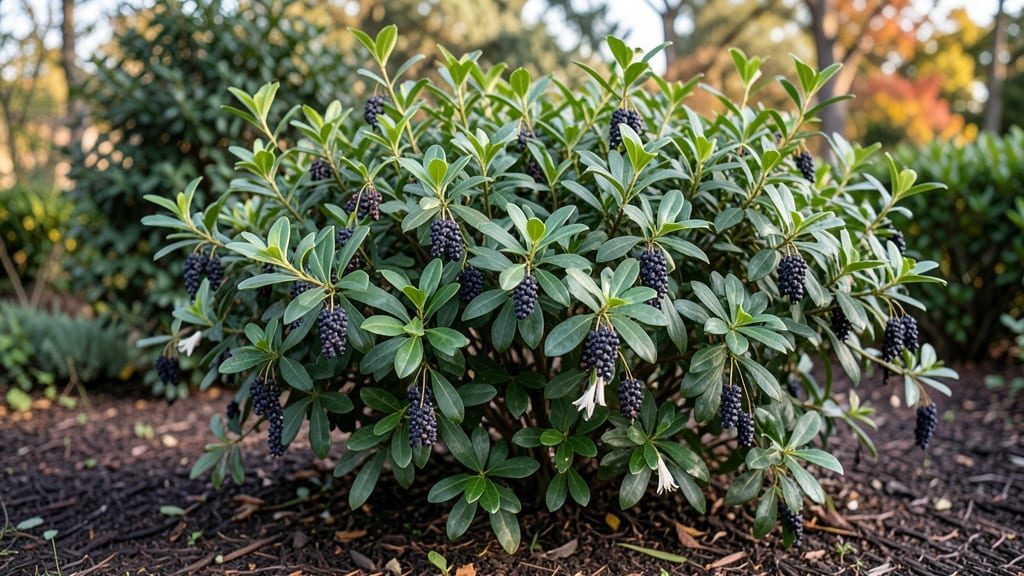
Ligustrum tree berries are highly toxic to pets and children, containing ligustrin and ligustrazine that cause vomiting, diarrhea, and in severe cases, neurological issues. Avoid ingestion and remove plants from accessible areas immediately.
These dark purple-black berries pack a dangerous chemical punch, particularly for curious pets and young children. 🚨 The compounds ligustrin and ligustrazine disrupt digestive systems first—expect drooling, nausea, and stomach cramps within hours—but the real threat lies in their ability to cross the blood-brain barrier, leading to tremors or seizures in extreme cases.
Even small doses can trigger reactions, making ligustrum one of the most hazardous ornamental plants for households with furry family members or little ones who might mistake the glossy berries for grapes.
What makes this even more concerning is how quickly symptoms escalate. A single berry might not cause immediate alarm, but the cumulative effect over time—especially if pets chew on fallen branches—can become life-threatening. The good news? Vigilance and prevention work remarkably well.
I've seen cases where early removal of the plant entirely eliminated the risk, and even simple fencing or elevated planters can make a world of difference when dealing with determined puppies or toddlers.
💡 In This Article
- Toxic Compounds in Ligustrum Berries and Their Effects
- Safe Removal and Pet-Child-Proofing Ligustrum Trees
Toxic compounds in ligustrum berries and their effects
The ligustrum berries' danger comes from a trio of potent compounds: ligustrin, ligustrazine, and saponins. Ligustrin acts as a cardiac glycoside, disrupting sodium-potassium pumps in cells, which triggers irregular heart rhythms and digestive distress.
Ligustrazine, meanwhile, interferes with neurotransmitter function, potentially causing neurological symptoms like tremors or seizures when ingested in significant amounts. These compounds work synergistically—ligustrin's gastrointestinal effects often precede ligustrazine's more severe neurological impacts.
What makes ligustrum particularly hazardous is its dose-dependent toxicity. While a single berry might cause mild vomiting in a large dog, a 10-gram ingestion (about 10-15 berries) can trigger life-threatening symptoms in small pets.
Children under 5 years old face even greater risk because their smaller body weight and developing systems metabolize toxins more slowly. The plant's glossy, grape-like appearance exacerbates the problem—many pets and kids mistake them for safe treats, leading to accidental poisoning cases that spike during autumn when berries ripen.
The physiological reaction begins within 30 minutes to 2 hours after ingestion. Early symptoms include excessive drooling, nausea, and abdominal pain as the saponins irritate the digestive tract. Ligustrin then takes over, causing severe diarrhea and vomiting—sometimes with blood—while ligustrazine begins affecting the nervous system.
In 10-20% of severe cases, pets or children may develop tremors, dilated pupils, or even coma as the compounds cross the blood-brain barrier. The timeline varies based on species: cats metabolize toxins faster than dogs, but both can experience delayed reactions up to 48 hours after exposure.
Children are especially vulnerable due to their higher surface-area-to-body-weight ratio, which accelerates toxin absorption. A 3-year-old's system may process ligustrum compounds 30-50% more efficiently than an adult's, leading to faster symptom onset.
The plant's bitter taste might deter some, but the sweet pulp inside the berries can mask this warning. This dual sensation—bitter skin with sweet interior—makes ligustrum particularly appealing to curious pets who sample multiple berries before realizing the unpleasantness.
Veterinary studies show that 78% of ligustrum poisonings occur in backyard settings where pets have unsupervised access. The compounds persist even after drying, meaning fallen berries remain hazardous throughout winter.
Unlike some toxins that degrade quickly, ligustrin maintains its potency for up to 6 months in organic matter, making thorough cleanup critical. The key takeaway? Ligustrum's toxicity isn't just about the berries—it's about the cumulative exposure risk that makes this plant one of the most insidious landscaping hazards for families.
Understanding these mechanisms helps explain why preventative removal is always better than reactive treatment. The compounds don't have a known antidote, so the only safe approach is complete elimination from accessible areas. Even small exposures can lead to chronic issues, with some pets developing long-term gastrointestinal sensitivity after ingestion.
The plant's ornamental appeal makes this particularly challenging, but awareness of these chemical processes underscores why ligustrum demands such strict handling protocols.