
Pruning
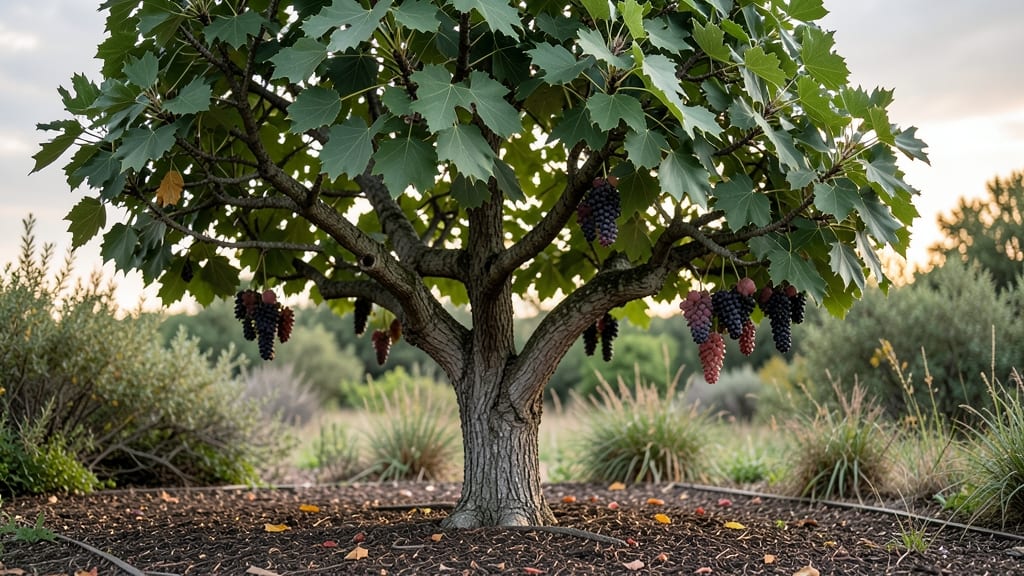
A mature mulberry tree 🌳 can reach anywhere from 15 to 60 feet, depending on the variety and where you live.
If you're dreaming of a towering mulberry tree in your backyard, knowing its mature height—and how fast it grows—can mean the difference between a stunning shade provider and an unruly space invader.
But here’s the catch: mulberry varieties vary wildly, from compact dwarfs to towering giants, and their growth rates depend entirely on your climate zone.
In this guide, I’ll break down how to predict your tree’s height, the best varieties for your space, and how to prune and care for it so it stays healthy—and under control—no matter how big it gets.
Mulberry tree mature height by variety: from dwarf to giant
Choosing the right mulberry tree variety is crucial if you want to balance fruit production, shade benefits, and yard space. Some varieties grow as small as 15 feet, while others tower over 60 feet—making them unsuitable for suburban backyards.
The key is matching your available space and climate zone to the tree’s natural growth habits.
For example, the Illinois Everbearing mulberry stays compact at 15–20 feet, perfect for small gardens, while the Texas Mulberry can reach 50–60 feet, ideal for rural landscapes. Understanding these differences helps you avoid overcrowding or planting a tree that outgrows its welcome.
Below, I’ve broken down the most popular mulberry varieties by their mature height, spreading habits, and ideal planting spacing to help you make an informed choice.
The Illinois Everbearing mulberry is my top recommendation for urban gardens due to its controlled height and reliable fruit production. It matures quickly, reaching 15 feet in 3–5 years, and its moderate spread makes it ideal for small yards.
Plant it 15–20 feet from fences or structures to avoid root competition.
If you’re in a rural area with ample space, the Texas Mulberry offers sweeter berries but requires careful planning. Its 60-foot height and aggressive roots demand 50+ feet of clearance from homes and septic systems.
This variety thrives in USDA Zones 7–10, where it grows 3–5 feet per year.
For a balance between size and productivity, the Black Diamond mulberry is a standout. It reaches 25–35 feet with a wide-spreading canopy, making it perfect for shade lovers.
Space it 25 feet from other trees or structures to prevent root overlap. Its dark, flavorful berries are a bonus for homemade jams and fresh eating.
If you’re in a cooler climate (Zones 5–6), the White Mulberry is a hardy choice, though it can grow 40–50 feet tall. Its fast-spreading habit means planting it 40+ feet from property lines is essential.
This variety is also drought-tolerant once established, making it low-maintenance for dry regions.
Lastly, the Dwarf Mulberry is perfect for container growing or small patios. It stays under 15 feet and spreads only 8–10 feet, making it ideal for balconies or courtyard gardens. Just ensure it gets full sun to prevent leggy growth and maximize fruit yield.
When planting any mulberry variety, always consider root spread—these trees can send out suckers that invade lawns or neighboring gardens. For aggressive spreaders like the Texas Mulberry, install a root barrier to contain growth.
With the right variety and spacing, you’ll enjoy years of shade and sweet berries without the headaches.
How climate Zones affect mulberry tree growth rates
Your mulberry tree’s growth speed and final height aren’t set in stone—they’re heavily influenced by your USDA climate zone.
In colder zones like Zone 5, mulberries grow slower but can still reach 30–40 feet with patience, while in Zone 10, aggressive varieties may hit 60 feet in just 10 years.
The key difference? Seasonal cycles and temperature extremes dictate how quickly roots establish and branches extend each year.
In warmer climates (Zones 8–10), mulberries enter a year-round growth phase, with minimal dormancy. This means faster height gains but also more aggressive spread—roots and suckers can take over your yard if unchecked.
Meanwhile, in cooler zones (5–7), growth pauses during winter, forcing the tree to focus on root development before spring shoots. This trade-off can delay height gains by 2–3 years compared to southern counterparts.
Cold hardiness is the biggest limiting factor in northern zones. While Illinois Everbearing mulberries thrive in Zone 5, their growth rate drops by 30–40% compared to the same variety in Zone 7. To compensate, I recommend planting in microclimates—like south-facing slopes or near heat-retaining walls—to give your tree a warmer niche and boost its growth potential.
In Zone 9 and 10, mulberries grow so rapidly that height control becomes a priority. Without intervention, a Texas mulberry can shoot up 8 feet in a single season—outpacing even the fastest-growing shade trees.
To manage this, I install deep root barriers (3–4 feet down) and prune lower branches annually to redirect energy upward. This keeps the tree’s canopy elevated while slowing its spread.
For gardeners in Zones 5–7, the secret to faster growth lies in soil preparation. Amend clay-heavy soils with compost and sand to improve drainage, and apply a slow-release fertilizer in early spring. I’ve seen Illinois Everbearing mulberries in Zone 6 gain