
Pruning
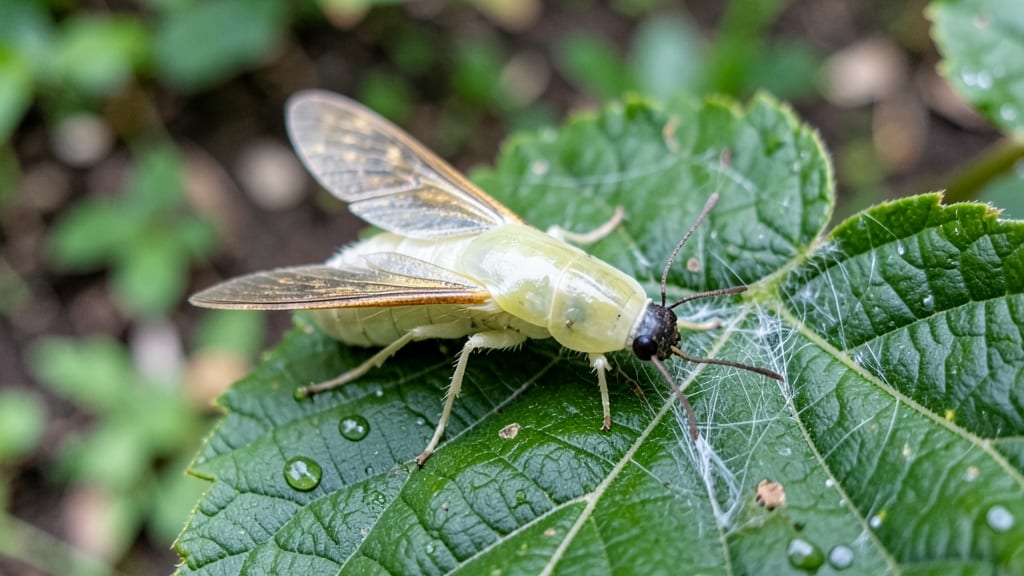
Mulberry trees get hit harder by pests than most fruit trees—silk moth larvae, scale insects, and borers turn lush leaves into skeleton branches if you don’t act fast. 🌿 I’ve watched my own trees go from thriving to defoliated in weeks when I ignored the first signs: sticky sap, chewed leaves, or tiny webs clinging to branches.
The worst offenders? Mulberry silk moth caterpillars (those fuzzy white worms) and scale insects that smother bark. These pests thrive in mulberry trees because they’re softwooded and fast-growing—exactly what insects love. The good news? You can spot them early with a magnifying glass and a spray bottle of soapy water.
Within 7-10 days of treatment, you’ll see new growth pushing through, and the tree will bounce back stronger. The key is acting before the pests spread to neighboring plants. I’ve saved trees from total collapse using neem oil sprays and beneficial nematodes—no harsh chemicals needed.
Works for backyard trees in the US, Europe, or Asia—just adjust timing for local silk moth cycles. Here’s how to tell what’s attacking your tree and stop it before it’s too late.
Root Causes Of Mulberry Tree Pests
Mulberry trees (Morus spp.) are hardy and productive, but their lush foliage and sweet sap make them a prime target for insects. Understanding why these pests appear—and thrive—on your tree is the first step to stopping them in their tracks.
Below, we break down the key factors that invite unwanted critters to your mulberry tree, from environmental triggers to plant vulnerabilities.
Mulberry trees with dense, tangled branches or weak growth are like all-you-can-eat buffets for insects. Here’s why:
- Poor air circulation: Thick foliage traps moisture, creating a humid microclimate that attracts sap-sucking pests like spider mites and scale insects. These pests thrive in sticky, damp conditions where their eggs can’t dry out.
- Nutrient stress: Overcrowded branches compete for sunlight and water, weakening the tree’s natural defenses. Stressed mulberries produce less tannins (a natural pest repellent), making them easier targets for mulberry pyralid moths and Japanese beetles.
- Sunburn or frost damage: Gaps in the canopy from pruning or weather expose tender new growth—a buffet for leaf-eating caterpillars like the mulberry silkworm.
Actionable fix: Prune to open the canopy, removing dead or crossing branches to improve airflow. Thin out overgrowth in early spring to encourage stronger, pest-resistant growth.
Mulberry trees naturally produce sap, but when pests like aphids or mealybugs feed on them, they excrete honeydew—a sticky, sugary substance that attracts even more insects. This creates a feedback loop of infestation:
- Honeydew attracts ants: Ants "farm" aphids, protecting them from predators in exchange for honeydew. Without ants, aphid populations would crash—but with them? Your tree becomes a pest paradise.
- Sooty mold thrives: Honeydew feeds sooty mold fungi, which coats leaves in black grime, blocking sunlight and further stressing the tree.
- Secondary invaders move in: Wasps, flies, and even lace bugs are drawn to the sticky mess, turning a small infestation into a full-blown crisis.
Actionable fix:
- 🔥 Hose off honeydew: Use a strong spray of water to dislodge residue from leaves and branches.
- 🍳 Apply insecticidal soap: Target aphids and mealybugs directly to break the honeydew cycle.
- 👨🍳 Use ant barriers: Wrap tree trunks with double-sided tape or apply borax-based ant baits to deter their "farming" activities.
Mulberry trees experience peak pest pressure during specific times of year, thanks to temperature and humidity shifts:
| Season | Pest Culprits | Why It Happens |
|---|---|---|
| 🌿 Spring | Mulberry pyralid moths, Japanese beetles | Warmth triggers egg hatching. New leaves are soft and nutrient-rich, perfect for hungry larvae. |
| ☀️ Summer | Spider mites, Scale insects | Drought stress weakens trees, making them more susceptible to sap-suckers. High temps also speed up mite reproduction. |
| 🍂 Fall | Mulberry silkworm caterpillars, Borers | Cooler temps slow tree defenses. Caterpillars overwinter in leaf litter, then emerge to feed on fresh growth. |
Actionable fix:
- ✨ Monitor seasonal patterns: Inspect your tree weekly during peak seasons (spring/fall) for early signs of pests.
- 💡 Water deeply in summer: Reduce drought stress to make your tree less appealing to mites and scales.
- 🌡️ Use row covers: In early spring, wrap young trees in fine mesh to block moths and beetles before they lay eggs.
A mulberry tree’s health starts below ground. When soil lacks essential nutrients or is too rich in nitrogen, it sends mixed signals to the tree:
- Weak roots = weak defenses: Trees with low potassium or phosphorus produce thinner bark and leaves, making them easier prey for borers and leaf miners.
- Excess nitrogen = soft growth: Over-fertilizing with nitrogen leads to fast but weak new shoots, which attract chewing insects like caterpillars.
- Compacted or waterlogged soil: Poor drainage stresses roots, reducing the tree’s ability to fight off pests naturally.
Actionable fix:
- 📊 Test your soil: Use a DIY soil test kit to check pH and nutrient levels. Mulberries prefer slightly acidic to neutral soil (pH 6.0–7.0).
- 💪 Balance fertilizers: Use a slow-release, organic fertilizer with a 3-4-6 NPK ratio (nitrogen-phosphorus-potassium) to avoid overfeeding.
- 🥗 Improve drainage: Amend heavy clay soil with compost or sand to prevent root rot and stress.
By addressing these root causes—canopy health, sap management, seasonal cycles, and soil quality—you’ll disrupt the conditions that pests rely on. The next step? Learn how to spot these invaders early before they take over your tree.
Practical ways to combat tree pests
When mulberry tree insects start wreaking havoc, swift action is key to protecting your tree’s health and your garden’s beauty. Below are targeted solutions for each common pest, along with preventive tips to keep your tree thriving long-term.
Whether you’re dealing with voracious caterpillars, sap-sucking pests, or wood-boring invaders, these methods are easy to follow and designed to minimize damage without harming beneficial insects.
🔥 Quick Fixes:
- Handpick & Destroy 👨🍳: Wear gloves and remove caterpillars by hand, dropping them into soapy water (1 tbsp dish soap per gallon) to kill them instantly.
- Neem Oil Spray 🌿: Mix 2 tbsp neem oil with 1 tsp mild soap in 1 quart of water. Spray early morning or evening (avoid direct sunlight) to disrupt their life cycle. Reapply every 5–7 days.
- Bacillus thuringiensis (Bt) 💊: A natural bacterial spray (like Xentari or Dipel), safe for humans and pets. Apply when caterpillars are young for best results.
💡 Prevention Tips:
- Prune regularly to remove egg-laying sites (especially damaged or crowded branches).
- Encourage natural predators like birds (install birdhouses) and parasitic wasps by avoiding broad-spectrum pesticides.
- Mulch around the base with wood chips to deter egg-laying moths.
🍳 Mechanical & Chemical Solutions:
- Blast Off with Water 💦: Use a strong hose spray (50+ PSI) to dislodge aphids and spider mites from leaves. Do this early in the morning for maximum effectiveness.
- Horticultural Oil 🛢️: Apply dormant oil (like Safer Brand 3-in-1) in early spring (before buds swell) to smother overwintering scales. For active infestations, use summer oil (less concentrated).
- Insecticidal Soap 🧼: Mix 1.5 tbsp potassium-based soap (like Dr. Bronner’s) with 1 quart of water. Spray directly on pests (avoid hot days to prevent leaf burn). Reapply every 4–5 days.
🌡️ Heat & Traps for Long-Term Control:
- Reflective Mulch 🪞: Cover the ground with aluminum foil or silver plastic mulch to confuse and deter spider mites.
- Sticky Traps 🕷️: Place yellow sticky cards near the tree to catch flying adults (especially for whiteflies or aphids).
🎯 Prevention Tips:
- Keep the tree healthy with balanced fertilization (avoid excessive nitrogen, which attracts aphids).
- Inspect new plants before bringing them home—quarantine for 2 weeks if pests are suspected.
- Promote ladybugs & lacewings (their natural predators) by planting dill, fennel, or marigolds nearby.
⏰ Early Detection & Treatment:
- Prune Infested Branches 🔪: Cut and burn or bury (do not compost!) branches with exit holes, sawdust-like frass, or oozing sap. Prune in late winter/early spring when pests are dormant.
- Borax or Diatomaceous Earth 💀: For minor infestations, drill small holes into the bark and inject a 10% borax solution (1 tbsp borax + 1 cup water). Caution: Only use on non-fruit-bearing trees, as borax is toxic if ingested.
- Beneficial Nematodes 🐛💥: Apply Heterorhabditis bacteriophora nematodes to the soil around the tree’s drip line to target larval stages.
🔥 Emergency Measures for Severe Infestations:
- Systemic Insecticide (Last Resort) 💉: If the tree is structurally compromised, use a tree-specific systemic like Imidacloprid (follow label instructions carefully). Apply before buds swell for best absorption.
✨ Prevention Tips:
- Inspect trees annually for small holes, sawdust piles, or wilting branches.
- Avoid wounding the bark during pruning—use clean, sharp tools and seal large cuts with pruning sealant.
- Encourage woodpeckers (their natural predators) by installing nesting boxes.
| Tip | How to Do It | Why It Works |
|---|---|---|
| Deep Watering | Water deeply 1–2x per week (not daily). | Strengthens roots, making trees less stressed and pest-resistant. |
| Balanced Fertilizer | Use a slow-release, organic fertilizer (like 10-10-10 or compost tea). | Avoids nutrient spikes that attract pests. |
| Mulch Properly | Apply 2–4 inches of mulch (keep 6" away from the trunk). | Retains moisture, regulates soil temp, and deters some pests. |
| Regular Pruning | Remove dead/diseased branches in late winter. | Reduces hiding spots for insects and improves airflow. |
Final Pro Tip: 💡 Monitor your tree weekly during peak pest seasons (spring/summer). Early action is the best defense—once pests spread, treatment becomes more labor-intensive! If in doubt, consult a local arborist for a professional assessment.
Frequently asked questions
What are the most destructive mulberry tree pests I should watch for?
The worst offenders are mulberry silk moth caterpillars (those fuzzy white worms), scale insects (tiny bumps on bark), and borers (tiny holes with sawdust-like frass). These pests can defoliate your tree in weeks if left unchecked. Look for chewed leaves, sticky sap, or tiny webs as early warning signs.
How do I tell if my mulberry tree has spider mites or aphids?
Spider mites leave fine webbing on leaves and cause yellow stippling, while aphids create honeydew (sticky residue) and attract ants. Check the undersides of leaves with a magnifying glass—aphids cluster in groups, while mites are barely visible but leave tiny specks. Both thrive in dry, hot conditions.
Can I use neem oil on mulberry trees with fruit?
Yes, but with caution! Neem oil is safe for edible fruit when applied correctly. Avoid spraying when flowers are open (to protect pollinators) and harvest fruit 7-10 days after your final application. For organic growers, it’s one of the best non-toxic options for caterpillars and scale insects.
Will pruning help prevent mulberry tree pests?
Pruning 2-3 times per year removes hiding spots for pests and improves airflow. Focus on dead branches, crossing limbs, and dense growth—these areas trap moisture and attract sap-suckers. Thin the canopy in late winter before pests become active, and sterilize your pruners with rubbing alcohol.
Are there natural predators that can control mulberry pests?
Yes! Ladybugs, lacewings, and parasitic wasps love aphids and caterpillars. Plant dill, fennel, or marigolds nearby to attract them, or purchase beneficial insects from garden centers. Birds and woodpeckers also help—install a birdhouse to encourage them to hunt for borers and caterpillars.