
Pruning
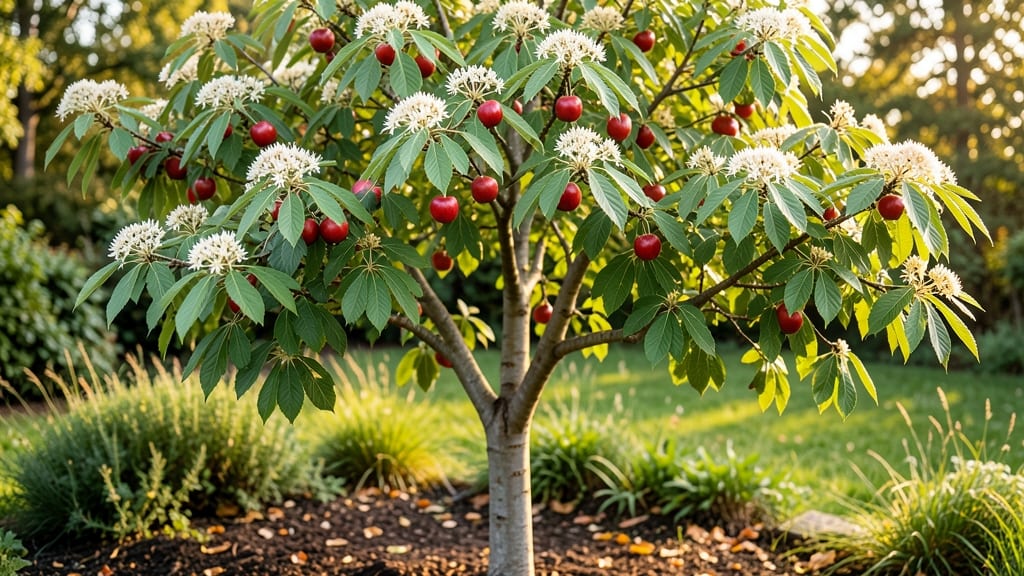
Mastering mountain ash tree leaf identification starts with those distinctive serrated edges and feather-like compound structure that set them apart from nearly every other tree. 🌿 I’ve spent years confusing them with rowan or serviceberry until I learned the telltale pattern of 11-17 leaflets per branch—each one with tiny, sharp teeth along the edges and a pale underside that glows in sunlight.
The key is comparing these features to similar trees: rowan leaves are simpler (single, not compound), while serviceberry leaves are smoother-edged and oval-shaped. Mountain ash leaves also turn a fiery red-orange in fall, a clue that’s impossible to miss.
Once you spot these details, you’ll never mistake them again—and that means pruning or pest control becomes far easier.
You’ll also notice the pinnate arrangement (leaflets in pairs along a central stem) and how they’re slightly curved upward at the tips. Check for the tree’s small red berries in late summer too—they’re another dead giveaway. These visual cues make identification straightforward once you know what to look for.
Accurate identification pays off when planning care: mountain ash trees need specific pruning to maintain their airy shape, and recognizing them helps avoid over-trimming or misdiagnosing pests. The more you observe these details, the more confident you’ll become in the field.
Root Causes Of Leaf Changes
Mountain ash trees (Sorbus spp.) are prized for their stunning foliage, but when their leaves start looking off—whether it’s odd shapes, discoloration, or unexpected textures—it’s often a sign of underlying stress. Understanding the why behind these changes is key to diagnosing and addressing the issue before it worsens.
Below, we break down the most common culprits, from environmental factors to pests, with clear explanations and actionable insights.
Mountain ash trees are resilient, but extreme or prolonged environmental conditions can push them past their limits, leading to visible leaf changes. These stressors often manifest as irregular margins, scorch marks, or premature leaf drop.
🔥 Heat and Drought
Mountain ash trees thrive in moist, well-drained soils and struggle when temperatures soar or rainfall dwindles. During heatwaves or droughts, leaves may:
- Curl or crisp: Cells lose turgor pressure as water evaporates faster than roots can absorb it, causing edges to brown and curl inward.
- Develop serrated "burn" marks: High temperatures can scorch leaf edges, mimicking pest damage but without the telltale trails of insects.
- Turn yellow or bronze: Chlorophyll breaks down under stress, leading to chlorosis (yellowing) or a metallic sheen.
Actionable fix: Mulch heavily (3–4 inches of organic material like wood chips) to retain moisture, and water deeply once a week during dry spells. Avoid overhead irrigation, which can promote fungal diseases.
❄️ Cold or Frost Damage
While mountain ash trees are hardy (USDA zones 3–7), sudden freezes or late-season frosts can damage tender new growth. Look for:
- Blackened or mushy leaves: Ice crystals rupture cell walls, causing leaves to appear waterlogged or necrotic.
- Stunted or deformed leaves: Buds may fail to open properly after cold snaps, leading to small, misshapen leaves with jagged edges.
- Delayed spring flush: Trees may take weeks to regrow foliage after frost damage.
Actionable fix: Protect young trees with burlap wraps or frost cloths during late frosts. Plant in microclimates sheltered from wind (e.g., near a south-facing wall).
🌧️ Overwatering or Poor Drainage
Mountain ash trees hate "wet feet." Soggy soil deprives roots of oxygen, leading to:
- Yellowing between veins (interveinal chlorosis): A classic sign of anaerobic stress, where roots suffocate.
- Leaf drop or wilting: Even with excess water, the tree can’t transport nutrients, causing leaves to fall prematurely.
- Fungal leaf spots: Waterlogged conditions invite pathogens like Venturia (a common mountain ash fungus).
Actionable fix: Test soil drainage—dig a 12-inch hole and fill it with water. If it doesn’t drain in 4–6 hours, amend soil with compost or sand to improve aeration. Avoid planting in low-lying areas.
Pests and pathogens often leave behind distinctive leaf patterns, from chewed margins to fungal growth. Mountain ash trees are particularly vulnerable to:
🍃 Sawfly Larvae and Cankerworms
These caterpillar-like pests are notorious for skeletonizing leaves—eating between veins while leaving the structure intact. Look for:
- Serrated, lace-like holes: Unlike uniform chewing, sawfly damage often follows the leaf’s midrib or veins.
- Frass (chewed debris) on leaves: Tiny black or green specks are a dead giveaway.
- Defoliation in patches: Infestations start at the top of the tree and work downward.
Actionable fix: Handpick larvae (they’re fuzzy and slow-moving) or use Bt (Bacillus thuringiensis), a bacterial spray safe for pollinators. Prune and destroy heavily infested branches in fall.
🍄 Fungal Infections (Anthracnose & Leaf Spot)
Fungi thrive in humid conditions, causing dark spots with yellow halos or tar-like lesions on mountain ash leaves. Common culprits:
- Anthracnose (Gloeosporium spp.): Leaves develop raised, circular spots that may ooze in wet weather.
- Venturia leaf spot: Small, purple-brown spots with serrated edges, often on the upper leaf surface.
Actionable fix: Remove and destroy infected leaves (don’t compost!). Apply copper fungicide in spring before buds swell, and space out waterings to reduce humidity.
🐜 Spider Mites and Scale Insects
Tiny but destructive, these pests suck sap, causing:
- Stippling (tiny white/yellow dots): Spider mites leave a sandpaper-like texture on leaves.
- Sticky residue (honeydew): Scale insects excrete this, attracting sooty mold (a black fungal growth).
- Premature leaf drop: Severe infestations weaken the tree.
Actionable fix: Blast leaves with water to dislodge mites, or use neem oil (follow label rates). For scale, scrape off colonies with a plastic scraper and treat with horticultural oil in dormant season.
Mountain ash trees are light feeders, but imbalances in soil nutrients can lead to leaf deformities, discoloration, or poor growth. Here’s what to watch for:
💀 Magnesium or Calcium Deficiency
These minerals are crucial for cell structure. Deficiencies often show as:
- Interveinal chlorosis (yellowing between veins): Common in magnesium deficiency, often starting on older leaves.
- Corky or puckered leaf margins: Calcium deficiency can cause edges to thicken and distort.
- Stunted new growth: Severe deficiencies limit the tree’s ability to produce healthy leaves.
Actionable fix: Test soil pH (ideal: 6.0–7.0 for mountain ash). Amend with:
- Epsom salt (magnesium sulfate) for yellowing leaves (1 tbsp per gallon of water, applied as a foliar spray).
- Crushed eggshells or lime for calcium (sprinkle around the base in early spring).
🌱 Nitrogen Imbalance
Too little nitrogen = pale, small leaves. Too much = excessive, weak growth prone to pests. Signs of imbalance:
- Light green or yellow leaves: Chronic under-fertilization.
Fixing Mountain Ash Leaf Issues
Mountain ash trees are stunning, but their leaves can sometimes signal trouble—whether it’s disease, pests, or environmental stress. The good news? Most issues are fixable with the right approach. Below, we’ll map common problems to practical solutions, including quick fixes and long-term prevention.
Cause: Fungal diseases (like anthracnose or leaf spot) or nutrient deficiencies (iron or magnesium). How to Fix It:
- 🔥 Prune Infected Branches
- Use sterilized pruners (clean with rubbing alcohol) to remove and dispose of (not compost) severely damaged leaves or branches.
- Focus on dead or discolored foliage to stop the spread.
- 🍳 Apply Fungicide
- Spray with a copper-based fungicide (like Bordeaux mixture) or a neem oil solution (1 tbsp neem oil + 1 quart water + a drop of dish soap).
- Best time: Early morning or evening to avoid leaf burn from sunlight.
- 👨🍳 Boost Soil Health
- Test soil pH (ideal: 5.0–6.5 for mountain ash). Amend with sulfur if too alkaline.
- Add compost or organic mulch (2–3 inches) to retain moisture and improve nutrient uptake.
💡 Prevention Tips:
- Water at the base (avoid wetting leaves to reduce fungal spores).
- Space trees properly (30–40 feet apart) for airflow.
- Clean up fallen leaves in autumn to prevent overwintering pathogens.
Cause: Japanese beetles, aphids, or spider mites. How to Fix It:
- 🔪 Handpick or Blast Off Pests
- Japanese beetles: Fill a bucket with soapy water and knock them in in the morning.
- Aphids: Spray with a strong jet of water to dislodge them.
- 🥘 Use Natural Repellents
- Neem oil spray (repeat every 7–10 days).
- Kaolin clay (like Surround WP) creates a barrier pests avoid.
- Beneficial insects: Release ladybugs or lacewings to prey on aphids.
- 🌡️ Adjust Watering
- Drought-stressed trees attract spider mites. Water deeply 1–2 times per week (check soil moisture 2 inches down).
✨ Prevention Tips:
- Install netting over young trees in late spring (Japanese beetle season).
- Plant pest-repelling companions like garlic, chives, or catnip nearby.
- Avoid broad-spectrum pesticides (they kill beneficial insects too).
Cause: Overwatering, underwatering, or sunscald (from sudden exposure). How to Fix It:
- 💧 Check Watering Habits
- Too much water? Let soil dry out between waterings. Improve drainage with gravel or sand.
- Too little water? Water slowly and deeply (1–1.5 inches per week). Use drip irrigation to avoid wetting leaves.
- 🌿 Provide Shade for Young Trees
- If newly planted, protect from harsh afternoon sun with a light shade cloth for the first year.
- 🎯 Mulch Correctly
- Apply 3 inches of mulch (wood chips or bark) but keep it 6 inches away from the trunk to prevent rot.
💡 Prevention Tips:
- Monitor soil moisture with a moisture meter or finger test.
- Group trees with similar water needs in your landscape.
- Avoid compacting soil around roots (use aeration tools if needed).
Need a fast reference? Use this guide to diagnose and act:
| Symptom | Likely Cause | Fast Fix | Prevention |
|---|---|---|---|
| Yellow leaves (veins green) | Iron deficiency (chlorosis) | Apply chelated iron or Epsom salt (1 tbsp/gallon water) | Test soil; amend with sulfur if pH >6.5 |
| Brown edges on leaves | Underwatering or salt buildup | Water deeply; flush soil with rainwater | Use rainwater or distilled water for sensitive trees |
| Holes in leaves | Japanese beetles | Handpick or neem oil spray | Install beetle traps far from tree |
| Sticky residue on leaves | Aphids | Soapy water spray or ladybugs | Encourage birds (they eat aphids) |
Final Tip: 🌟 When in doubt, prune strategically! Mountain ash trees are resilient—removing 10–20% of the canopy annually promotes airflow and reduces stress. Always use sharp, clean tools to prevent disease spread.
With these fixes, your mountain ash will bounce back with vibrant, healthy leaves in no time! 🌿💚
Frequently asked questions
How do mountain ash leaves differ from rowan or serviceberry leaves?
Mountain ash leaves are compound with 11-17 serrated leaflets arranged alternately along a central stem, while rowan leaves are simple and oval-shaped. Serviceberry leaves are also simple but have smoother edges and a more oval shape. The compound structure is the key identifier for mountain ash.
Can I identify a mountain ash tree just by looking at its leaves?
While leaves are the best starting point, confirm with other features: red berries in late summer, white bark with horizontal lenticels, and the tree's upright, airy growth habit. Young leaves may also have a slight downy texture on the underside.
Why do mountain ash leaves sometimes look deformed or curled?
Deformed leaves often signal pest damage (like sawfly larvae) or environmental stress (drought, frost, or poor drainage). Check for tiny holes, sticky residue (honeydew), or discoloration. Severe curling may require pruning affected branches and adjusting care.
Do mountain ash leaves change color in fall, and how?
Yes! They turn a stunning red-orange in autumn, often with yellow undertones. This vibrant color occurs as chlorophyll breaks down and anthocyanins (pigments) develop. The timing varies by climate but typically peaks in October-November.
Are mountain ash leaves toxic to pets if ingested?
While not highly toxic, mountain ash leaves contain cyanogenic glycosides in small amounts. Large ingestions may cause mild stomach upset in pets. Monitor your pets and consult a vet if you notice vomiting or lethargy after leaf consumption.