
Pruning
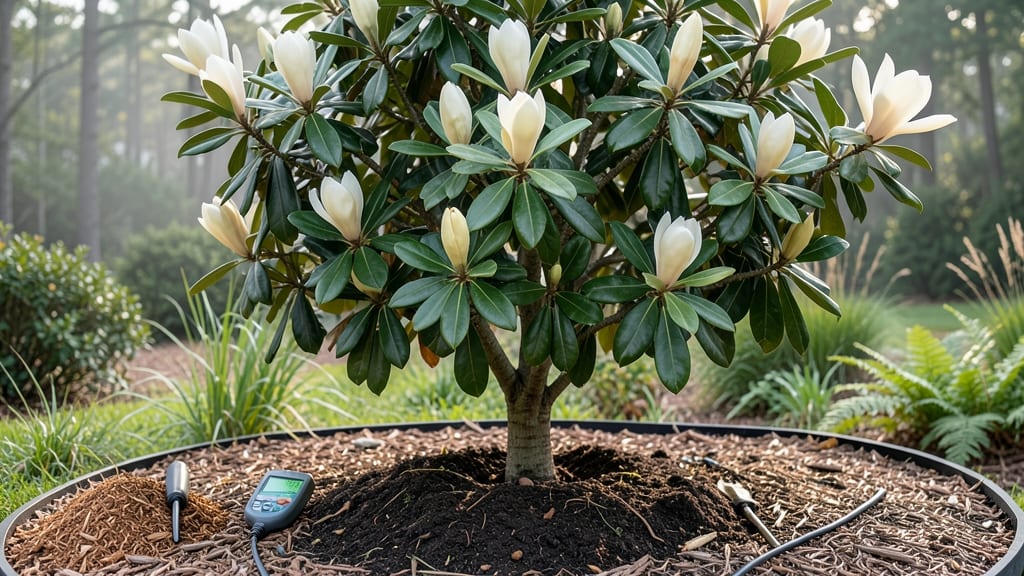
A thriving magnolia tree 🌸 starts with the right soil—one that’s acidic, well-draining, and rich in organic matter.
Struggling to get your magnolia tree to flourish? The secret might be hiding in your soil—these majestic trees are picky about their growing conditions, and getting the pH, drainage, and nutrients right can mean the difference between a thriving canopy and a struggling understory.
Most gardeners overlook how critical soil composition is, but magnolias demand a specific mix: slightly acidic soil (around 4.5–6.0 pH) with plenty of organic material to keep roots happy. Too alkaline or compacted, and you’ll see yellowing leaves or stunted growth—signs your tree isn’t getting what it needs.
In this guide, I’ll break down the ideal soil blend, how to test and adjust your garden’s conditions, and the best amendments to keep your magnolia tree thriving for years to come.
Ideal soil pH levels for magnolia trees: why acidic soil is non-negotiable
If your magnolia tree looks lackluster with yellowing leaves or stunted growth, the culprit might be your soil's pH. These stunning trees thrive only in acidic soil, with a narrow pH range that's critical for nutrient uptake.
Getting this right can transform your tree from struggling to spectacular in just one growing season.
Magnolias demand a soil pH between 4.5 and 6.0—any higher or lower throws their entire system off balance. At pH 7.0 or above, essential nutrients like iron and manganese become locked away, causing chlorosis (yellowing between leaf veins).
Meanwhile, soil too acidic (below 4.5) can damage roots and prevent proper nutrient absorption.
Here's the breakdown of what happens when you get it wrong—and how to test your soil to avoid these pitfalls.
| Soil Condition | Ideal pH Range | Symptoms of Imbalance | Solution |
|---|---|---|---|
| Acidic Soil | 4.5–6.0 | Healthy green leaves, strong growth | Maintain with pine bark or peat moss |
| Too Alkaline | Above 6.0 | Yellow leaves (chlorosis), stunted growth | Add sulfur or pine needles |
| Too Acidic | Below 4.5 | Brown leaf edges, weak roots | Add lime or wood ash (sparingly) |
| Testing Method | Digital meter or lab test | Accurate pH reading in minutes | Adjust based on results |
Testing your soil's pH is simpler than you think. Grab a digital pH meter (around $20) or send a sample to your local cooperative extension office. For DIY testing, mix 1 part soil with 2 parts distilled water, stir, and use litmus paper for a quick read.
Aim for that 4.5–6.0 range—any deviation means your magnolia will struggle.
If your soil tests too alkaline, amend it with elemental sulfur or pine bark fines. For overly acidic soil, add pelletized lime (but sparingly—magnolias hate sudden pH swings). Work these amendments into the top 12 inches of soil where roots thrive, and re-test in 2–3 months to monitor changes.
Even with perfect pH, drainage matters. Magnolias despise soggy roots, so amend heavy clay with sand or perlite, while sandy soils need compost or peat moss to retain moisture. A well-draining, acidic soil mix is the foundation for a healthy magnolia that blooms beautifully year after year.
One common mistake? Assuming your local soil is acidic enough. Many regions—especially those with limestone bedrock—naturally have alkaline soil. If your magnolia's leaves are yellowing despite regular watering, test your soil immediately.
The fix might be as simple as adding a few pounds of sulfur per 100 square feet.
Remember, magnolias are long-lived trees—some over 100 years old. Giving them the right soil now means decades of fragrant blooms and lush foliage. Don't let a simple pH test hold your tree back from its full potential.
For extra insurance, mulch around your magnolia with pine needles or oak leaves—they naturally acidify the soil over time. Just keep the mulch 3–4 inches deep and 6 inches away from the trunk to avoid rot.
Your magnolia’s future depends on this one critical factor: acidic soil. Get it right, and you’ll reward yourself with a tree that grows stronger, blooms brighter, and lives longer than you ever imagined.
Best soil mix for magnolia trees: organic matter, drainage, and texture explained
Magnolia trees thrive when planted in well-draining, acidic soil rich in organic matter. The ideal mix should include 50% native soil, 30% organic compost, and 20% amendments like peat moss or pine bark.
This blend ensures proper aeration and moisture retention while preventing root rot—a common issue in heavy soils.
For container-grown magnolias, use a custom potting mix with 50% peat moss, 30% pine bark fines, and 20% perlite or sand. This lighter mix mimics their natural acidic forest floor habitat while allowing excess water to escape. Avoid compacted soils, as magnolias hate soggy roots.
Soil Mix Options for Magnolia Trees
✅ Ideal Soil Mixes
- Peat Moss + Pine Bark: 50% peat, 30% pine bark, 20% compost
- Sandy Loam: 60% native soil, 30% sand, 10% compost
- Container Mix: 50% peat, 30% perlite, 20% compost
✔️ Improves drainage
✔️ Maintains acidity
✔️ Prevents compaction
❌ Avoid These Mixes
- Pure Clay Soil: Poor drainage, suffocates roots
- Heavy Garden Soil: Too dense, lacks aeration
- All-Sand Mix: Drains too fast, no nutrient retention
✖️ Causes root rot
✖️ Leads to nutrient deficiencies
✖️ Stresses young trees
If your soil is heavy clay, amend it by adding 3-4 inches of compost and 10% coarse sand to improve drainage. For sandy soils, mix in 50% peat moss or well-rotted compost to boost water retention.
Test your soil’s texture by squeezing a handful—it should crumble easily when dry but hold moisture without becoming waterlogged.
For established magnolias, top-dress with 2-3 inches of mulch (like pine needles or shredded bark) annually to maintain soil acidity and moisture. This mimics their natural forest floor environment while suppressing weeds. Avoid fresh wood chips, as they can tie up nitrogen as they decompose.
When planting, dig a hole twice as wide as the root ball but only as deep. This encourages roots to spread horizontally rather than settling into a deep, compacted hole. Gently loosen the sides of the hole to reduce root circling—a common issue that stunts growth.
Remember, magnolias are slow growers, so investing time in the right soil mix pays off with vibrant blooms and lush foliage for decades. Start with the right foundation, and your magnolia will reward you with that signature fragrance and stunning flowers year after year. 🌸