
Trees
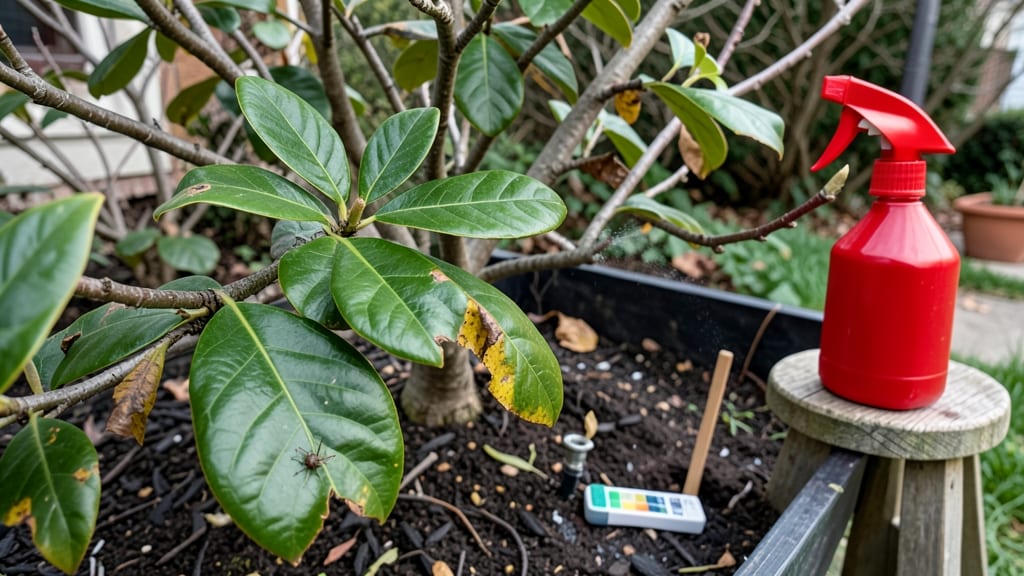
Seeing your magnolia tree losing leaves in summer isn’t just frustrating—it’s a cry for help. 🌿 I’ve watched these majestic trees go from lush canopies to skeletal branches in weeks, and the causes often surprise even experienced gardeners.
What looks like disease might actually be heat stress, pests, or poor watering habits that mimic fungal symptoms.
The first step is separating stress from sickness: check for yellowing edges (nutrient burn), wilting in heat (thirst), or tiny holes (pests). Magnolias hate soggy roots but also can’t handle drought—they need consistent moisture, especially when temperatures climb above 85°F.
I’ve seen trees recover completely after adjusting just one factor.
You’ll diagnose the issue by examining leaves, bark, and soil moisture levels—no fancy tools needed. Once you pinpoint the problem, solutions range from mulching deeper to targeted pest control. The key is acting fast: summer stress compounds quickly, and by late August, it’s often too late to reverse damage.
Confession: I’ve lost more magnolias than I’d like to admit, but the ones that survive? They bounce back with thicker foliage and even bigger blooms the following spring. Here’s how to turn your tree’s current struggle into next year’s showstopper.
Root Causes Behind Summer Leaf Drop
Seeing your magnolia tree shed leaves in the heat of summer can feel like a gut punch—especially when the tree is supposed to be in its prime. But before you panic, let’s break down the real science behind why this happens.
The issue usually boils down to a mix of environmental stress, biological threats, and sometimes even cultural mismanagement. Below, we’ll explore the most common triggers, from heat shock to pathogen attacks, so you can pinpoint what’s stressing your tree.
Magnolias are temperate-zone natives, meaning they’re adapted to milder summers—not the scorching, drought-prone conditions many regions face today. When temperatures soar above 90°F (32°C) for extended periods, the tree’s stomata (tiny leaf pores) struggle to regulate moisture. Here’s what’s really happening:
- Transpiration overload: Leaves lose water faster than roots can absorb it, causing cellular dehydration. The tree drops leaves as a survival tactic to conserve water.
- Root zone drying: Even if the soil looks moist, topsoil evaporation can leave roots parched. Clay or compacted soil worsens this by blocking water penetration.
- Sunburn risk: Intense sunlight + high temps = photodamage to leaf tissue. Young, thin leaves are especially vulnerable.
Actionable fix: Deep watering twice weekly (1–1.5 inches per session) and mulching (3–4 inches of organic mulch) to retain soil moisture. Avoid overhead watering in peak sun—opt for drip irrigation or soaker hoses.
Fungal pathogens like anthracnose (Colletotrichum spp.) and powdery mildew (Podosphaera spp.) thrive in warm, humid summers and can cause rapid leaf drop. Here’s how to spot them:
| Disease | Symptoms | Why It Triggers Leaf Loss |
|---|---|---|
| Anthracnose | Dark, sunken spots with yellow halos; leaves curl and drop prematurely. | Fungus clogs xylem vessels, disrupting nutrient transport. The tree sheds infected leaves to limit spread. |
| Powdery Mildew | White, powdery coating on leaves; leaves yellow and crisp at the edges. | Fungal growth blocks sunlight absorption, starving the leaf. Heavy infestations force early defoliation. |
| Root Rot (Phytophthora) | Wilting, yellowing leaves (even with wet soil); roots appear brown/mushy. | Roots can’t absorb water/nutrients, leading to systemic starvation. The tree drops leaves to reduce metabolic demand. |
Actionable fix: 💡 Preventative: Space trees for airflow (avoid overcrowding) and apply copper fungicide (e.g., Copper Sulfate) at first signs of disease. 🔥 Treatment: Prune and sterilize tools with 70% isopropyl alcohol to prevent spread. For root rot, improve drainage and avoid overwatering.
While magnolias aren’t as pest-prone as oaks or elms, summer heat can weaken their defenses, making them targets for insects like:
- Magnolia Scale (Neolecanium cornuparvum): These armored scale insects suck sap, causing leaves to yellow and drop. Heavy infestations lead to stunted growth.
- Japanese Beetles (Popillia japonica): Adults skeletonize leaves (eat tissue between veins), forcing premature defoliation.
- Spider Mites (Tetranychus spp.): Tiny but destructive—they pierce cells, causing stippling and leaf drop in dry conditions.
Actionable fix: 🔪 Manual removal: Blast off scale insects with a hose or scrub branches with soapy water. 🌡️ Chemical control: Use neem oil (for mites) or pyrethrin-based sprays (for beetles). Apply in early morning to avoid harming pollinators.
Magnolias are heavy feeders, and summer growth demands nitrogen, potassium, and magnesium. When soil lacks these, leaves turn yellow, weaken, and fall off. Common deficiencies include:
- Nitrogen (_N_): Leaves yellow evenly (chlorosis) starting at the tips.
- Potassium (_K_): Leaf edges brown and crisp (like a "scorched" look).
- Magnesium (Mg): Interveinal yellowing (veins stay green) on older leaves.
Actionable fix: 📊 Test your soil: Use a home test kit or send a sample to a lab. Magnolias prefer slightly acidic soil (pH 5.0–6.5). ✨ Amend soil: Apply compost or a balanced fertilizer (10-10-10) in early summer. For magnesium, use Epsom salt (1 tbsp/gallon of water) as a foliar spray.
Magnolias have large, delicate leaves that are easy targets for:
- High winds: Can tear leaves or disrupt photosynthesis by causing physical damage.
- Hail: Bruises leaves, leading to necrotic spots and premature drop.
- Air pollution (e.g., ozone, sulfur dioxide): Causes stippling or interveinal chlorosis, weakening leaves.
Actionable fix: 🌿 Protect young trees: Use windbreaks (like a fence or shrub barrier) or tree wraps to shield trunks. 🚫 Avoid pruning during storms: Weakened branches are more prone to splitting.
Quick Fixes for Drooping Magnolia
If your magnolia tree is losing leaves in summer, don’t panic—there’s almost always a way to revive it! The right approach depends on the root cause, whether it’s environmental stress, pests, disease, or poor care.
Below, we’ve mapped out practical, step-by-step solutions for each common issue, plus prevention tips to keep your tree thriving.
Signs: Yellowing leaves, soggy soil, or leaves wilting despite dampness.
How to Fix It: 🔥 Step 1: Check the Soil – Stick your finger 2–3 inches into the soil. If it’s soggy, your tree is drowning. 🍳 Step 2: Improve Drainage – Mix in compost or organic matter (like coconut coir) to loosen heavy clay soil. For container magnolias, ensure pots have drainage holes and use a well-draining potting mix. 👨🍳 Step 3: Adjust Watering – Water deeply but less frequently (1–2 times per week, depending on heat). Let the top 2 inches of soil dry out before watering again. ⏰ Step 4: Mulch Properly – Apply 2–3 inches of mulch (wood chips or pine straw) around the base (but not touching the trunk) to regulate moisture and temperature.
💡 Prevention Tip: If your yard floods easily, consider raising the planting bed slightly or installing a French drain to redirect excess water.
Signs: Crispy, brown edges on leaves; leaves curling or dropping in scorching heat.
How to Fix It: 🔥 Step 1: Provide Afternoon Shade – If your magnolia is in a full-sun spot, install light shade cloth (30–50%) or plant it near a deciduous tree (like oak or maple) that will drop leaves in summer. 🍳 Step 2: Water at the Right Time – Morning watering (before 10 AM) reduces evaporation. Avoid evening watering, which can encourage fungal growth. 👨🍳 Step 3: Boost Humidity – Mist leaves early in the morning (not at night) or use a hose to spray the canopy on extremely hot days. ⏰ Step 4: Mulch Thickly – A 4-inch layer of mulch helps retain moisture and cool roots.
💡 Prevention Tip: If relocating isn’t an option, prune nearby structures (like fences or buildings) that might be trapping heat around the tree.
Signs: Tiny holes in leaves, webbing, sawdust-like frass (insect droppings), or sticky sap (aphids).
How to Fix It: 🔥 Step 1: Identify the Pest – Common culprits:
- Magnolia scale (brown bumps on stems/leaves)
- Webworms (silky webs in foliage)
- Japanese beetles (skeletonized leaves)
- Aphids (clustered on new growth)
🍳 Step 2: Manual Removal (Best for Light Infestations)
- Scale insects: Scrape off with a soft brush or rubbing alcohol-soaked cotton ball.
- Webworms: Prune and burn/dispose of infested branches.
- Japanese beetles: Handpick into soapy water (wear gloves!).
👨🍳 Step 3: Natural Sprays (Safe & Effective)
- Neem oil (mix 1 tbsp per quart of water + a drop of dish soap; spray early morning/evening).
- Insecticidal soap (for aphids, mites).
- Bacillus thuringiensis (Bt) (for caterpillars like webworms).
⏰ Step 4: Encourage Predators – Ladybugs, lacewings, and birds love eating pests. Plant dill, fennel, or marigolds nearby to attract them.
💡 Prevention Tip: Prune regularly to improve airflow (pests thrive in dense, damp foliage). Avoid over-fertilizing with nitrogen, which attracts soft-bodied pests.
Signs: Yellow spots with dark borders, powdery white growth, or black tar-like streaks (sooty mold).
How to Fix It: 🔥 Step 1: Remove Infected Parts – Prune and dispose of (don’t compost!) leaves/stems with:
- Anthracnose (dark spots)
- Powdery mildew (white fuzzy coating)
- Sooty mold (black residue on leaves)
🍳 Step 2: Apply Fungicide – Use copper fungicide or baking soda spray (1 tsp baking soda + 1 quart water + a drop of soap). 👨🍳 Step 3: Improve Airflow – Thin out branches to reduce humidity around the tree. ⏰ Step 4: Water at the Base – Avoid overhead watering to prevent spores from splashing onto leaves.
💡 Prevention Tip: Space trees properly (15–20 ft apart) and clean up fallen leaves in autumn to prevent fungal overwintering.
Signs: Pale yellow leaves (chlorosis), stunted growth, or leaves dropping prematurely.
How to Fix It: 🔥 Step 1: Test Your Soil – A DIY soil test kit (or lab test) reveals if your tree needs iron, nitrogen, or other micronutrients. 🍳 Step 2: Fertilize Correctly
- For iron deficiency (yellow leaves with green veins): Apply chelated iron or Epsom salt (1 tbsp per gallon of water).
- For general growth: Use a balanced fertilizer (10-10-10) in early spring (avoid summer feeding—it stresses the tree).
👨🍳 Step 3: Use Organic Amendments – Mix compost or worm castings into the soil to improve nutrient availability. ⏰ Step 4: Water Deeply After Fertilizing – Helps nutrients reach the roots.
💡 Prevention Tip: Avoid synthetic fertilizers in summer—they can burn roots and worsen stress. Stick to slow-release organic options.
If your magnolia is severely stressed (e.g., roots damaged, chronic disease), consider:
- Relocating (best done in early spring or fall).
- Structural pruning to remove dead/diseased wood and open the canopy for airflow.
- Root aeration if soil is compacted (hire a pro for large trees).
✨ Pro Tip: Keep a tree care journal—note when you water, fertilize, and prune. Patterns help you spot issues early before they cause major leaf drop!
With the right care, your magnolia can bounce back and keep its lush foliage all season. Which fix will you try first? 🌿
Frequently asked questions
Is it normal for magnolia trees to lose leaves in summer?
Not typically! While some leaf drop happens naturally in fall, summer leaf loss usually signals stress. Healthy magnolias should maintain most of their foliage through summer. If you're seeing widespread defoliation during warm months, it's a sign something's wrong—likely heat stress, pests, or disease.
How can I tell if my magnolia's leaf loss is from heat vs disease?
Check the leaves closely: heat stress causes brown, crispy edges and wilting, while disease often shows spots (dark or powdery) or unusual patterns. For heat, leaves may also feel dry to the touch. Disease symptoms often appear on multiple branches, whereas heat damage is usually uniform across sun-exposed areas.
Will my magnolia recover if I fix the problem now?
Yes, but speed matters! Magnolias are resilient—if you address the issue within 4-6 weeks, most trees recover fully by next spring. However, if leaf loss continues past mid-August, the tree may need extra care (like deep root feeding) to bounce back completely. The sooner you act, the better!
Can I prune my magnolia now to help with leaf loss?
Light pruning is safe, but avoid heavy cuts during summer. Focus on removing only dead or diseased branches—never more than 25% of the canopy. Prune in early morning to reduce stress, and always sterilize your tools with 70% isopropyl alcohol to prevent spreading disease.
Should I be worried if my magnolia's branches look bare but the roots seem healthy?
Not necessarily! Some magnolias naturally enter a summer dormancy in extreme heat, especially in hot climates. Check for new growth at branch tips—if you see green buds, the tree is likely just conserving water. Keep soil consistently moist (but not soggy) and monitor for regrowth in 6-8 weeks.