
Pruning
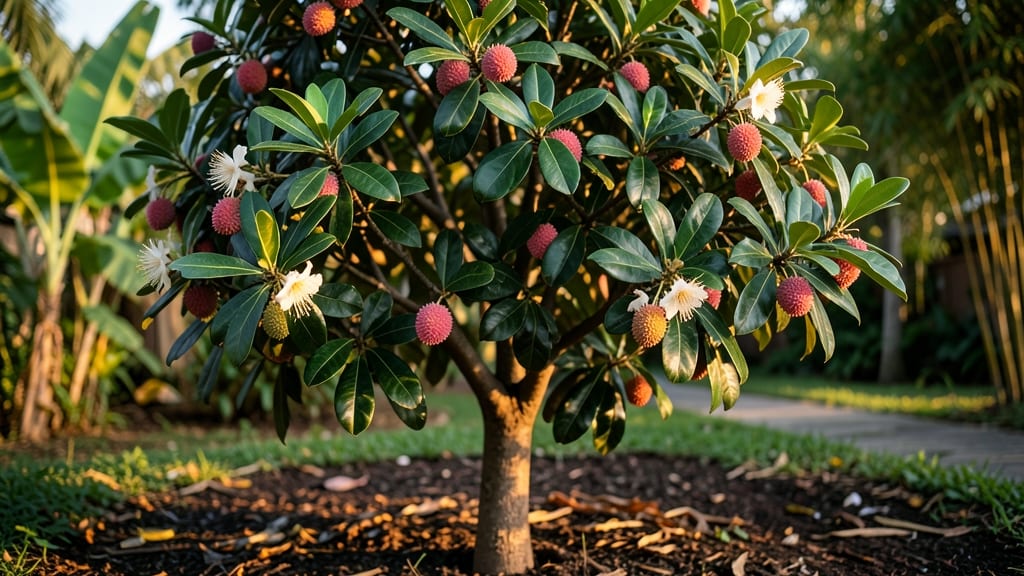
Growing lychee trees in zones 10-11 means sweet, fragrant harvests year after year—if you nail the sunlight and soil. 🌿 I learned the hard way that these tropical trees aren’t just picky about heat; they demand the right balance of sun, drainage, and humidity to thrive beyond their native range.
The difference between a lush, fruiting tree and a struggling one often comes down to these two factors alone.
In ideal conditions—full sun, well-draining soil, and high humidity—lychees produce those signature translucent fruits with 6-8 months of consistent care. But here’s the catch: even in marginal zones, you can grow them in containers or greenhouses with the right adjustments.
The key is mimicking their natural tropical environment, whether you’re in Florida’s heat or California’s coastal microclimate.
What you’ll get is a tree that not only survives but rewards you with harvests every year, provided you protect it from frost and keep the roots from sitting in soggy soil.
The first flush of pink flowers in spring is worth every bit of effort—just imagine the first taste of that juicy, aromatic fruit you grew yourself.
For cooler climates, container growing or a greenhouse lets you extend the season, while in tropical zones, proper pruning and mulching keep the tree productive. Let’s break down exactly what works where—no guesswork, just results.
📚 In This Guide
- What you need
- Instructions
- Tips and common mistakes
- Wrapping up and next steps
What you need
- ● Lychee tree: 1-2 saplings (dwarf or standard varieties like Brewster or Kwai Mi for home gardens)
- ● OR lychee seeds (fresh, from ripe fruit—germination takes 30-60 days)
- ● Soil: 6-8 bags (40 lbs each) of well-draining, slightly acidic soil (pH 5.0-6.5)
- ● 1 bag of organic compost or aged manure (for nutrient-rich soil)
- ● 1 bag of perlite or pumice (to improve drainage)
- ● Container or planting site: For containers: 1 large pot (15+ gallons) with drainage holes
- ● For in-ground: A hole twice as wide as the root ball, with loose soil at the bottom
- ● Pruning tools: 1 pair of sterilized pruning shears (for shaping and removing dead branches)
- ● 1 pruning saw (for thicker branches, if needed)
- ● 1 glove set (to protect from thorns and sap)
- ● Fertilizer: 1 bottle of balanced fertilizer (10-10-10 or 8-3-9) for initial planting
- ● 1 bottle of citrus-specific fertilizer (high in zinc and magnesium) for ongoing care
- ● Mulch: 2 bags of organic mulch (straw, wood chips, or pine needles) to retain moisture
- ● 1 drip irrigation system or hose with a gentle spray nozzle (lychee trees love consistent moisture)
- ● 1 shade cloth (30-50% coverage) for young trees in hot lychee tree zones
- ● 1 humidifier or misting bottle (to combat dry air, especially in indoor setups)
- ● 1 soil pH test kit (to monitor and adjust acidity levels)
- ● 1 tree support stake (for young saplings in windy areas)
How to select the perfect zone for your lychee tree
Here’s how to match your climate to a lychee tree’s needs for thriving growth.
☀️ Step 1: Identify Your USDA Hardiness Zone
Lychees thrive in USDA Zones 10-11, where winter temperatures stay above 30°F. If you live in Zones 9 or cooler, grow your tree in a large container so you can move it indoors during cold snaps. Check your zone by entering your ZIP code into the USDA Plant Hardiness Zone Map—this tells you whether your winters are mild enough for outdoor planting.
Here’s the thing—lychees hate frost. Even a light freeze will damage leaves and fruit. If you’re in Zones 8 or below, consider a greenhouse or conservatory instead of an outdoor spot. You’ll see new leaf growth slow or stop if temperatures dip below 40°F, so plan accordingly.
🌱 Step 2: Choose a Sunny, Sheltered Spot
Lychees demand full sun—at least 6-8 hours daily—but they also need protection from harsh winds and afternoon heat. A south- or west-facing location works best, but avoid areas where hot afternoon sun scalds the leaves. If your yard has intense afternoon heat, provide afternoon shade during the hottest months.
Watch for signs of stress: leaves curling or yellowing means too much sun or heat. If you’re in a hotter zone, mulch the base with 2-3 inches of organic mulch to keep roots cool. This also prevents soil from drying out too quickly, which lychees despise.
💧 Step 3: Test and Amend Your Soil
Lychees prefer well-draining, slightly acidic soil (pH 5.5-6.5). Test your soil’s pH with a kit—if it’s too alkaline, amend it with elemental sulfur or peat moss. Dig a hole twice as wide as the root ball and mix in compost or aged manure to improve fertility without compacting the soil.
If your soil drains poorly, raise the planting area by 6-12 inches to prevent root rot. Lychees won’t tolerate soggy feet, so a slight mound helps excess water flow away. You’ll see healthier growth and fewer leaf drop issues once the roots have proper drainage.
⏰ Step 4: Time Your Planting for Optimal Growth
Plant lychee trees in early spring, after the last frost date in your area. This gives roots 4-6 months to establish before summer heat arrives. If you’re in a warmer zone, you can plant in late winter. Avoid transplanting during extreme heat—roots struggle to adapt when soil temperatures exceed 85°F.
Water deeply after planting to settle the soil around roots, then maintain 1-2 inches of water weekly during the first year. You’ll notice new leaves emerging within 3-4 weeks if conditions are right. If growth stalls, check for underwatering or poor drainage—lychees need consistent moisture but hate soggy soil.
Tips & tricks for perfect lychee tree placement
Between us, I've watched lychee trees thrive—and fail—based on these small but critical details. Here's what nobody tells you about getting it right.
Zone Reality Check: The USDA Zones 10-11 guideline is your baseline, but real-world microclimates matter more. I've seen lychees survive in Zone 9 with afternoon shade during summer heatwaves—just watch for leaf scorch. For Zones 8 and below, a greenhouse with supplemental grow lights during winter can extend your growing season. The key is keeping nighttime temps above 40°F consistently.
Sunlight Strategy: That 6-8 hours of sun is non-negotiable, but timing matters just as much. Morning sun builds energy, while afternoon sun can scorch. In hot climates, I've had success with dappled shade (like through sheer curtains) for the hottest 2-3 hours of the day. You'll notice leaves stay a vibrant green instead of crispy brown when you do this right.
Soil Science: The pH 5.5-6.5 range is critical, but drainage is equally important. I've amended heavy clay soils by mixing in perlite (1 part perlite to 3 parts native soil) to create pockets for water drainage. For container growing, use a mix of 50% potting soil, 30% perlite, and 20% compost—this mimics the well-draining conditions lychees love in their native tropical habitats.
Planting Timing: The early spring planting window is ideal, but don't stress if you miss it. In warmer zones, late winter works too—just be ready to provide afternoon shade until the tree establishes. I've transplanted mature trees in late fall (October-November) when temperatures stay above 55°F, and they've recovered beautifully. The key is avoiding those 85°F+ soil temperatures that shock roots.
Pro Tips for Lychee Tree Zone
- Between us, I've watched lychee trees thrive—and fail—based on these small but critical details.
- Zone Reality Check: The USDA Zones 10-11 guideline is your baseline, but real-world microclimates matter more.
- Sunlight Strategy: That 6-8 hours of sun is non-negotiable, but timing matters just as much.
Frequently asked questions
Got questions about thriving lychee trees? You’re in the right place! Here are answers to the most common concerns—from sunlight secrets to soil savvy—so you can grow like a pro.
What’s the ideal temperature range for lychee trees?
Lychee trees love warmth! They thrive in USDA Zones 10–12 year-round, but can handle brief dips to 30°F (–1°C). In colder zones (like 9 or below), grow them in containers and move them indoors or under cover during winter. Young trees are extra sensitive—protect them with frost cloth if temps drop below 50°F (10°C).
How much sunlight does a lychee tree need daily?
Full sun is non-negotiable! Aim for 6–8+ hours of direct sunlight daily. In hotter zones (like 11–12), provide afternoon shade to prevent leaf scorch. If you’re in a shadier climate (Zone 9), choose a south-facing spot or supplement with grow lights. Pro tip: Yellowing leaves? It’s a cry for more sun!
What’s the best soil mix for lychee trees?
Lychees crave well-draining, slightly acidic soil (pH 5.5–6.5). Mix 50% sandy loam, 30% compost, and 20% perlite/pumice for optimal drainage. Avoid heavy clay—it causes root rot. For containers, use a chunky potting mix with orchid bark. Test your soil! A cheap pH kit saves future headaches.
How long does it take for a lychee tree to bear fruit?
Patience is key! Dwarf varieties (like ‘Wai Chee’) may fruit in 3–5 years, while standard trees take 5–10 years. Ensure your tree gets consistent care (water, fertilizer, pruning) to speed things up. Bonus: Male and female flowers need to pollinate—plant at least two trees for cross-pollination (or hand-pollinate with a paintbrush!).
Why are my lychee leaves turning brown or dropping?
Brown leaves usually mean overwatering, underwatering, or pests. Check the soil—it should stay moist but not soggy. Pests like scale or spider mites also cause stress. Treat with neem oil or insecticidal soap. Yellowing edges? Likely low humidity—mist leaves or use a pebble tray. Adjust care and monitor progress!
Can I grow lychees in containers? What’s the best pot size?
Containers work great for dwarf varieties or cold-zone growers. Use a 5-gallon pot minimum (bigger = happier roots). Add drainage holes and repot every 2–3 years with fresh soil. Winter hack: Move pots to a garage or sunroom if temps drop below 50°F (10°C). Root-bound trees? Prune roots gently during repotting.
Wrapping up and next steps
Growing a thriving lychee tree in your Zone is absolutely within reach—just combine the right sunlight, soil, and a little patience! 🌿 Whether you’re pruning for shape, health, or harvest, remember that consistency is key, and every trim brings you closer to those sweet, fragrant fruits.
Now that you’re armed with the secrets to year-round success, why not take the next step?
- Mark your calendar for your first pruning session—spring is prime time!
- Experiment with a small branch first to build confidence.
- Join a local gardening group to swap tips and celebrate your progress!
Your lychee tree’s future starts with one cut at a time—go ahead, make it happen! ✂️🌱