
Pruning
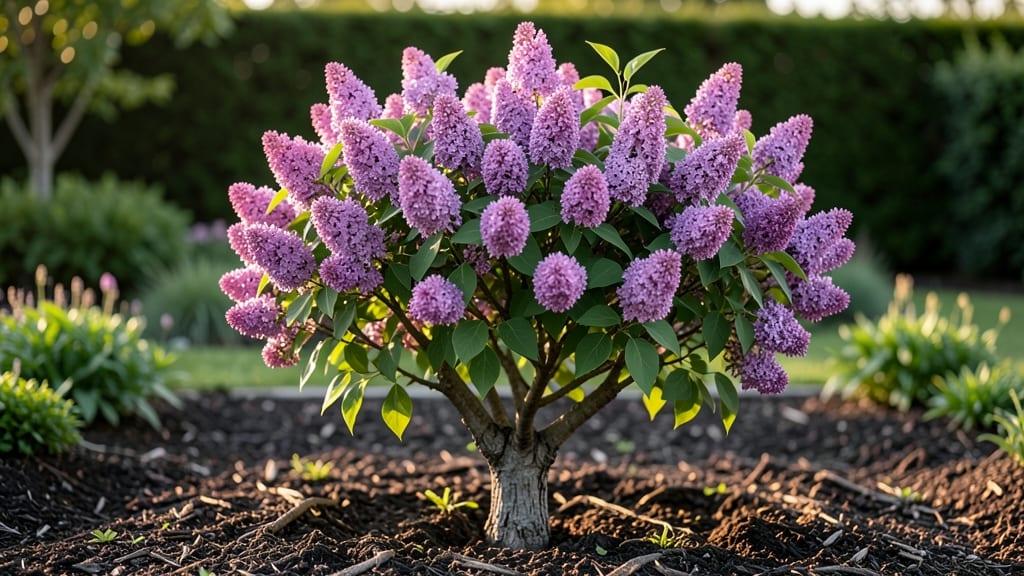
Your purple lilac tree isn't just a springtime showstopper—it's a year-round garden anchor when you prune it right. 🌸 I've turned my once-sparse lilac into a fragrant, flowering powerhouse by mastering the timing and technique, and you can too with just a few strategic cuts.
The secret lies in when you prune: right after the blooms fade in early summer, and again in late winter before new growth starts. This keeps your lilac bush compact, encourages more blooms, and prevents those leggy branches that ruin the shape.
Most people wait until after blooming, but that cuts off next year's flowers—don't make that mistake. You'll end up with a bush so lush it becomes the centerpiece of your garden, with purple blooms that perfume the air from late spring through early summer.
The foliage stays vibrant all season, and in fall, those purple stems add unexpected winter interest. Perfect for borders, focal points, or even as a fragrant pathway plant. Here's how to make it work without sacrificing next year's blooms!
📚 In This Guide
- What you need
- Instructions
- Tips and common mistakes
- Wrapping up and next steps
What you need
- ● Pruning shears – Sharp, bypass-style (for clean cuts), 1 pair
- ● Loppers – For thicker branches, 1 pair (10–16" reach)
- ● Pruning saw – For stubborn branches, 1 (8–12" blade)
- ● Gloves – Heavy-duty, cut-resistant, 1 pair
- ● Disinfectant (70% isopropyl alcohol or bleach solution) – 1 bottle (to sterilize tools)
- ● Rag or paper towels – 2–3 (for wiping tools)
- ● Garden twine or tape – 1 roll (to mark cuts if needed)
- ● Garden hose or bucket of water – For post-pruning cleanup
- ● Extension pole pruners – For high branches, 1 pair
- ● Hand pruners with ratchet – Easier on joints for long sessions, 1 pair
- ● Ladder (stable, 6–10 ft) – If your lilac is tall, 1
- ● Glasses (safety goggles) – Protects eyes from debris, 1 pair
- ○ Pruning sealant – For large cuts (optional, 1 small bottle)
- ● Check the best pruning time (early spring or right after blooming for purple lilacs!)
- ● Review your lilac’s growth habits (some bloom on old wood, others on new!)
- ● Have a clear plan—sketch or note where you’ll make cuts for even blooms.
How to prune lilac trees for vibrant purple blooms
Strategic pruning transforms a lilac's blooming power—here's how to coax those fragrant purple clusters year after year.
✂️ Step 1: Prune Immediately After First Bloom
Wait until 2-3 weeks after your lilac finishes flowering—this is critical. You'll know it's time when spent blooms turn brown and drop naturally. Cut back 1/3 of the oldest stems at the base, right where they emerge from the trunk. These are the stems that bloomed first and are now past their prime.
I always prune on a dry morning after dew has evaporated. Wet branches are slippery and tear easily. Use sharp loppers to make clean cuts at a 45-degree angle, about 1/4 inch above a bud that faces outward. This prevents water from pooling on the cut and encourages new growth in the right direction.
✂️ Step 2: Thin Out Crowded Growth in Late Summer
In late August or early September, focus on the interior of the shrub where branches cross or rub against each other. Remove 25-30% of the oldest wood to improve air circulation and sunlight penetration. You want to see light reaching the center—this prevents fungal issues and encourages stronger blooms next spring.
I look for stems that are thinner than a pencil or growing inward. These won't produce quality blooms and compete with stronger branches. Cut these back to their base. Never remove more than 1/3 of the plant's total stems in one season—you'll shock the lilac and weaken its flowering potential.
✂️ Step 3: Shape and Maintain Year-Round
Light shaping pruning can happen anytime, but I prefer early spring before buds swell. Remove any dead, diseased, or weak wood first—these are easy to spot as they stand out from the healthy stems. Then, use hand pruners to trim back any branches that grew too long or look leggy over winter.
For a fuller look, cut the outer branches back by about 1/3 their length. This encourages branching lower on the stem. I always step back and look at the shape from all sides—lilacs respond well to gentle shaping but hate harsh cuts. Avoid "heading back" (cutting mid-stem) unless you're training a specific shape, as this can reduce next year's blooms.
🌱 Step 4: Revitalize Older Lilacs with Rejuvenation Pruning
If your lilac has stopped blooming well, it might need a rejuvenation pruning—but only do this every 5-7 years. In late winter or early spring, cut back 1/2 to 2/3 of the oldest stems to 6-12 inches above the ground. This drastic cut forces new growth from the base, which will produce fresh stems for future blooms.
Here's the thing—this method takes patience. After rejuvenation pruning, your lilac might look bare for a season, but within 2-3 years, it will regrow into a bushy, blooming machine. I've done this with a 20-year-old lilac that had become a woody mess, and it came back stronger than ever with even more purple clusters.
Tips & tricks for perfect lilac tree pruning
Mastering lilac pruning takes patience—but these tricks will help you avoid common mistakes and keep your shrub thriving.
Timing is Everything: The 2-3 week window after flowering is non-negotiable for Step 1 pruning. I learned this the hard way after pruning too early and missing the best blooms. Watch for brown, spent blooms to drop naturally—this is your cue. Late summer thinning in August-September gives stems time to harden before winter, preventing frost damage.
Cutting Technique Matters: Always make clean cuts at a 45-degree angle in Step 1, about 1/4 inch above an outward-facing bud. This creates a natural water runoff and directs growth outward. I use sharp loppers to avoid tearing bark, which can invite pests. For thicker stems, make two cuts—first undercut, then top—rather than crushing the branch.
Visual Pruning Cues: In Step 3, look for branches that cross or rub against each other—they'll eventually create wounds. Thin these out to improve air circulation. For rejuvenation pruning (Step 4), cut stems back to 6-12 inches above ground, leaving 2-3 strong stems if possible. This forces fresh growth from the base while maintaining structure.
Equipment Essentials: Invest in a pair of good loppers for branches up to 1 inch thick, and a pruning saw for thicker stems. Sterilize tools with rubbing alcohol between cuts to prevent spreading disease. I keep a small bucket of soapy water handy to clean tools mid-pruning—it makes a huge difference in keeping your lilac healthy.
Pro Tips for Lilac Tree Purple
- Mastering lilac pruning takes patience—but these tricks will help you avoid common mistakes and keep your shrub thriving.
- Timing is Everything: The 2-3 week window after flowering is non-negotiable for Step 1 pruning.
- Cutting Technique Matters: Always make clean cuts at a 45-degree angle in Step 1, about 1/4 inch above an outward-facing bud.
Frequently asked questions
Got questions about keeping your lilac tree purple and blooming year-round? You’re in the right place! Here are answers to common queries to help you prune like a pro.
When is the best time to prune lilacs for purple blooms?
Prune your lilac tree right after flowering (late spring to early summer) to encourage next year’s blooms. Avoid heavy cuts in fall or winter—they’ll remove next season’s flower buds! For year-round color, light shaping prunes in late summer can also work, but time it carefully to avoid sacrificing blooms.
How much can I trim without hurting my lilac tree?
Never remove more than 1/3 of the plant’s growth in one season. For mature lilacs, focus on dead, diseased, or overcrowded branches first. Thin out older wood (3+ years) to promote new growth and vibrant purple blooms. Pro tip: Use sharp, clean shears to avoid tearing bark.
Why are my lilac blooms fading to greenish-purple?
Pale or green-tinged blooms often signal nutrient deficiencies (like nitrogen or phosphorus) or overwatering. Test your soil and amend with balanced fertilizer (10-10-10) in early spring. Ensure your lilac gets full sun (6+ hours/day) and well-draining soil—too much shade or soggy roots dull the purple hue.
Can I prune lilacs to change their shape or size?
Yes! Lilacs are highly adaptable to shaping. For a compact bush, prune aggressively in stages over 2–3 years. To encourage a tree-like form, select 1–3 main stems and remove lower branches. Just remember: Heavier cuts delay blooming—space them out to avoid bare branches.
What should I do if my lilac tree gets pests or diseases after pruning?
Pruning opens wounds, so sterilize tools with rubbing alcohol before and after cuts. Watch for aphids, borers, or powdery mildew—common after stress. Treat aphids with soapy water; for mildew, apply neem oil or fungicide. Prevention tip: Remove fallen leaves/debris to reduce fungal risks.
Wrapping up and next steps
Transforming your lilac tree purple into a year-round blooming beauty is totally within reach—with the right pruning know-how! By mastering when, how, and why to trim, you’ll unlock lush foliage, vibrant blooms, and a healthier tree. Remember, patience and consistency are key, so don’t rush the process.
Ready to give your lilac the love it deserves? Grab your pruners and start planning your next trim! 🌸 For extra confidence, sketch a quick pruning map or snap photos before you begin—you’ll thank yourself later.
- 📅 Mark your calendar: Spring and post-bloom are your best friends.
- ✂️ Practice makes perfect: Start small and refine your technique.