
Pruning
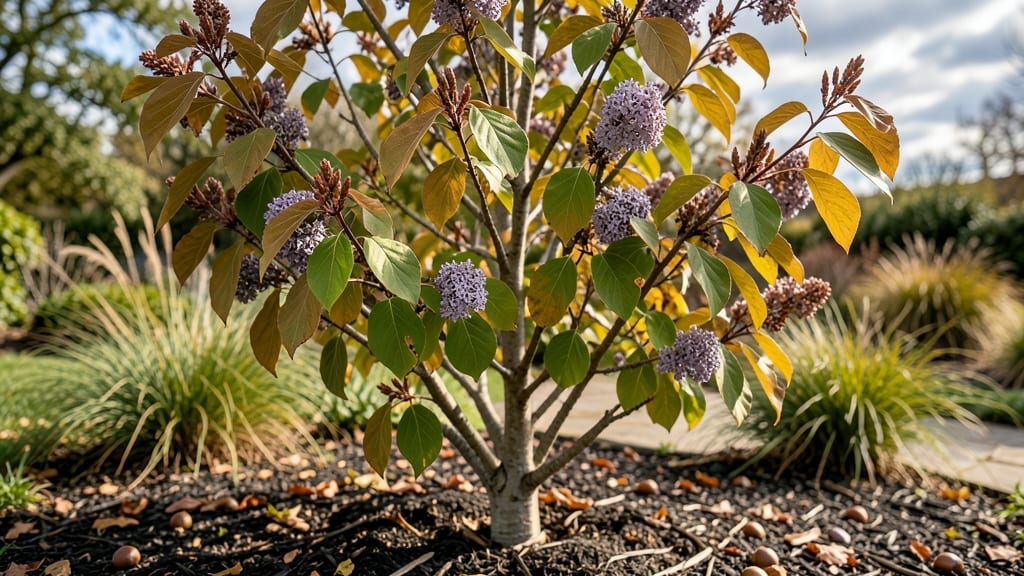
Autumn’s golden leaves mean it’s time to shape your lilac tree for next spring’s showstopping blooms. ✨ Pruning lilacs in fall isn’t just about tidying up—it’s about setting the stage for stronger growth and more abundant flowers when winter fades.
The key? Working while the tree is dormant but before hard frosts set in.
Most gardeners skip autumn pruning, but that’s a missed opportunity. I’ve seen lilacs go from sparse, leggy shrubs to dense, flowering powerhouses after just one careful cut in the dormant season.
The trick is removing last year’s blooms (those seed pods) and thinning out crowded branches—never more than one-third of the plant at once. This keeps the tree healthy and prevents stress.
What you’ll end up with is a lilac that wakes up in spring with fresh, vibrant growth and a framework ready for next year’s blossoms.
The branches stay strong, the shape stays balanced, and you’ll avoid the common mistake of pruning too late, which can encourage new growth that won’t survive winter. Plus, a well-pruned lilac looks stunning against autumn’s colorful backdrop.
This method works for all lilac varieties, whether you’ve got a classic French lavender or a hardy Korean type. Just time your cuts for late fall, after the leaves drop but before the ground freezes.
Your future self—and your neighbors—will thank you when those fragrant blooms burst forth next spring.
📚 In This Guide
- What you need
- Instructions
- Tips and common mistakes
- Wrapping up and next steps
What you need
- ● Pruning shears: Sharp, bypass-style shears (for clean cuts on small branches). Size: 6–8 inches.
- ● Loppers: For thicker branches (½–1½ inches in diameter). Look for: Long handles (20+ inches) for leverage.
- ● Pruning saw: For stubborn, thick branches (1½+ inches). Type: Curved-tooth blade to avoid tearing.
- ● Gloves: Heavy-duty, gardening gloves (cut-resistant for safety). Bonus: Long sleeves to protect from scratches.
- ● Disinfectant: 70% isopropyl alcohol or a pruning sealant (to prevent disease spread).
- ● Bucket or bag: For collecting clippings (5-gallon capacity recommended).
- ● Ladder: Sturdy, extendable ladder (if your lilac is over 6 feet tall). Safety first: Use stabilizers!
- ● Hand pruners with ratchets: For less hand fatigue on long sessions.
- ● Pruning rope: To tie down branches temporarily for better access.
- ● Tree wound dressing: Controversial but handy for large cuts (use sparingly).
- ● Notebook & pen: To sketch a pruning plan before you start.
- ● Safety glasses: To shield eyes from debris (especially when using a saw).
Step-by-step guide for pruning lilac trees in autumn
Here's how I transform my lilacs into next year's showstoppers—just a few cuts now mean vibrant blooms later.
✂️ Step 1: Time Your Pruning for Dormant Season
Wait until after the first hard frost but before mid-winter—typically November through early February in most climates. This dormant period lets the tree heal cleanly without stressing new growth. I check my local frost dates and mark the calendar because pruning too early can stimulate late-season growth that won't harden off properly.
Look for brown, crispy leaves still clinging to branches—this confirms dormancy. Avoid pruning during freezing temperatures or when snow is forecast. If you're in a mild winter zone, aim for December when the tree has fully settled into dormancy but before buds start swelling in spring.
🌿 Step 2: Gather Your Tools and Safety Gear
You'll need sharp pruning shears for small branches, loppers for ½- to 2-inch diameter stems, and a pruning saw for anything thicker. I sterilize my tools with rubbing alcohol before starting—this prevents spreading bacterial infections between cuts. Wear gloves (lilac thorns are no joke) and safety glasses in case branches snap unexpectedly.
Have a bucket ready for debris and a hose to clean tools between cuts. I also keep a sharpener handy—dull tools crush stems instead of making clean cuts, which invites disease. Work on a dry day when branches are less likely to snap under your weight.
✂️ Step 3: Remove Dead, Diseased, or Crossing Branches First
Start by cutting out any dead wood—it's easy to spot as dry, brittle branches that snap when you bend them. Next, remove diseased branches (look for blackened stems, oozing sap, or fungal growth). I make these cuts just outside the branch collar (the swollen area where the branch meets the trunk) at a 45-degree angle to prevent water from pooling.
Then tackle crossing branches or those growing inward—these rub against each other and create wounds. Make your cut just above an outward-facing bud (about ¼ inch above) to encourage new growth in the right direction. If you're unsure which way a bud faces, scratch the bark lightly—new growth will emerge from the top of the bud.
☀️ Step 4: Thin Out Overcrowded Areas for Better Airflow
Lilacs bloom on old wood, so avoid heavy pruning that removes flower buds. Instead, selectively thin branches to improve airflow and sunlight penetration. Focus on the center of the tree first—remove up to one-third of the oldest, thickest branches to open up the canopy. This reduces disease risk and lets light reach inner buds.
Step back frequently to visualize the tree's shape. You want a balanced, vase-like form with no branches growing straight up. If a branch is growing too vertically, cut it back to a side bud to encourage a more horizontal growth habit. Avoid "lion's tailing" (cutting all branches to stubs)—this removes next year's flowers entirely.
⏰ Step 5: Clean Up and Prepare for Spring
Rake up all debris and dispose of it immediately—don't compost diseased branches. I also sanitize my tools again with rubbing alcohol before putting them away. This final cleanup prevents pests and diseases from overwintering in your yard. If you have time, apply a layer of mulch around the base of the tree (but keep it 3-4 inches away from the trunk) to protect roots.
Water the tree deeply after pruning to help it recover. I check the soil moisture by sticking my finger 2 inches down—if it's dry, give it a slow drink. Avoid fertilizing now; lilacs don't need it in autumn. Mark your calendar for early spring (just as buds swell) to do any final shape adjustments before new growth begins.
Tips & tricks for perfect autumn lilac pruning
Here's what I've learned after years of transforming my lilacs into next year's showstopper blooms—these small details make all the difference.
Timing is Everything: The November through early February window is non-negotiable for dormant season pruning. I've learned the hard way that pruning too early can stimulate tender new growth that won't survive winter freezes. Check your local frost dates—this is your true starting point. In mild climates, December is ideal, but don't wait until buds swell in spring.
Tool Sharpness Matters: Dull pruning shears and loppers don't just make work harder—they crush stems instead of making clean cuts. This creates wounds that invite disease. I keep a small sharpening stone in my tool bag and test my tools by making a clean cut through a ¼-inch thick branch. If it tears instead of slices smoothly, it's time to sharpen. A 45-degree angle cut just outside the branch collar is your goal.
Visualize the Final Shape: Before making any cuts, step back and imagine your tree's ideal vase-like form. Lilacs naturally grow with a rounded top and wider base. Focus on removing branches that grow straight up or cross others—these create weak points. In Step 4, when thinning the center, remember you can remove up to one-third of the oldest branches without harming next year's blooms. I sketch a rough outline on paper first to guide my cuts.
Cleanup is Critical: Diseased branches and debris left in the yard become breeding grounds for pests and fungi. I double-bag all infected material and dispose of it immediately—never compost it. After finishing, I give my tools a final sanitizing with rubbing alcohol and store them in a dry place. This final step prevents overwintering problems that could ruin next year's blooms.
Pro Tips for Lilac Tree In Autumn
- Here's what I've learned after years of transforming my lilacs into next year's showstopper blooms—these small details make all the difference.
- Timing is Everything: The November through early February window is non-negotiable for dormant season pruning.
- Tool Sharpness Matters: Dull pruning shears and loppers don't just make work harder—they crush stems instead of making clean cuts.
Frequently asked questions
Got questions about pruning your lilac tree in autumn? You’re not alone! Here are some of the most common concerns—and straightforward answers—to help you tackle dormant-season trimming with confidence.
When exactly should I prune my lilac tree in autumn?
Prune your lilac tree after it finishes blooming in spring or early summer, but if you missed that window, autumn is a great second chance—just wait until after the first hard frost (typically late October or November). This timing ensures the tree enters dormancy and avoids stress from late-season growth. Pro tip: Avoid pruning in extreme cold or wet conditions!
How much can I trim back my lilac tree without harming it?
Lilacs are hardy and can handle aggressive pruning! You can safely remove up to one-third of the plant’s height in a single season, but for best results, aim to trim back old wood (last year’s growth) to just above a set of healthy buds. Avoid cutting into the green stems—they won’t bloom well. Think of it like giving your lilac a "haircut" to encourage fresh, vibrant blooms next spring!
What if my lilac tree isn’t blooming much after pruning?
Lilacs often take 1–2 years to rebound after heavy pruning, so don’t panic if blooms seem sparse the first season. To troubleshoot:
- Check your timing: Pruning too late in autumn (after buds form) can reduce next year’s flowers.
- Inspect for pests: Look for aphids, borers, or fungal spots on leaves/stems.
- Fertilize lightly: Apply a balanced, slow-release fertilizer in early spring to support new growth.
Can I prune a young lilac tree the same way as a mature one?
Not quite! Young lilacs (under 3 years old) should only be lightly shaped—focus on removing dead, crossing, or weak branches to encourage a strong structure. Avoid heavy pruning until they’re established. For mature trees, you can be bolder, but always prioritize airflow and sunlight penetration to prevent disease. Think of young lilacs as "teenagers"—they need gentle guidance to grow into their full potential!
What should I do with the pruned branches and leaves?
Pruned lilac branches can be repurposed or disposed of in a few eco-friendly ways:
- Compost them: Lilac wood and leaves break down well in compost piles (avoid diseased branches).
- Use for mulch: Chop branches into small pieces to create mulch for garden beds.
- Donate to local farms: Some farmers use pruned branches as ground cover or livestock bedding.
- Recycle responsibly: If composting isn’t an option, check local green waste programs for disposal guidelines.
Is autumn the only time to prune lilacs, or can I do it in winter?
Autumn is ideal, but you can also prune lilacs in late winter or early spring (before buds swell). Winter pruning (Dec–Feb) works if your climate has mild winters, but avoid pruning during freezing temperatures or when snow is expected. The key is to prune dormant lilacs—never during active growth. If you miss autumn, spring is the next best window!
Wrapping up and next steps
Autumn is the perfect time to give your lilac tree the care it needs for next spring’s stunning blooms! By pruning during its dormant season, you’re not just tidying up—you’re shaping its future beauty and health.
Whether you’re a gardening pro or just starting out, a little patience and the right techniques will make all the difference.
Ready to take the next step? Grab your pruners, mark your calendar for early autumn, and watch your lilac tree reward you with vibrant, fragrant flowers year after year. 🌸✨