
Pruning
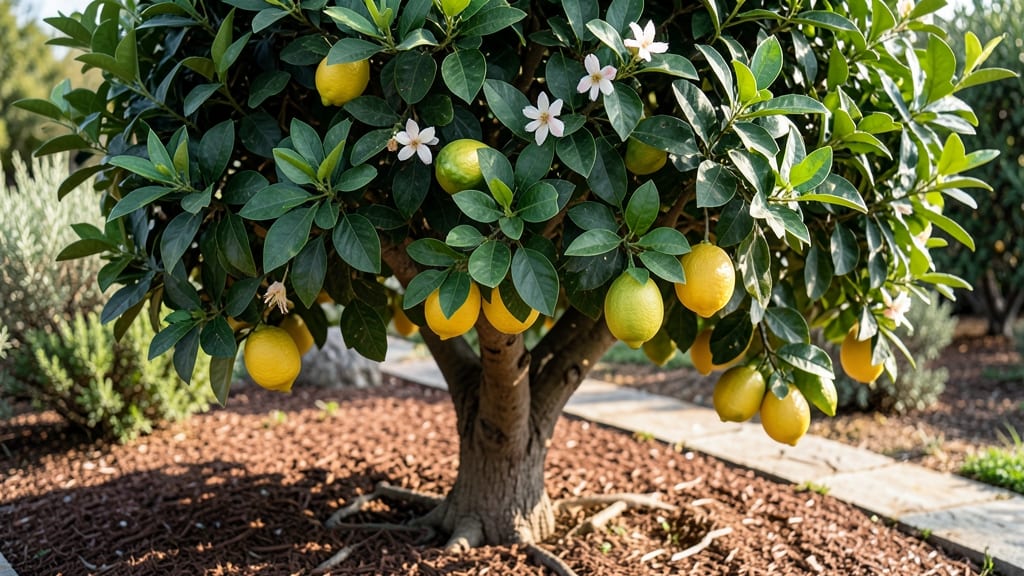
For lemon tree growth in Zone 8, choose cold-resistant varieties like 'Meyer' or 'Eureka' that handle mild winters well. Plant in fast-draining soil, shield from frost with mulch or covers, and prune yearly to boost fruit production and airflow. Growing in containers offers extra protection in colder microclimates.
Zone 8's cooler winters rule out most traditional lemon trees, but the right varieties can thrive with proper care. 🌱 The 'Meyer' lemon, for example, tolerates temperatures down to 20°F—a significant advantage over standard lemons.
I've seen these trees flourish in North Carolina and Southern California when planted in well-draining soil and given winter protection. The key is balancing their need for sunlight with frost prevention, which often means strategic placement or container growing during harsh spells.
What sets Zone 8 lemon growing apart is the pruning schedule. Unlike tropical climates, you'll want to prune after the last frost to avoid damaging new growth. This also helps direct energy toward fruit production rather than repairing cold stress.
For container growers, moving pots indoors during winter can make all the difference in fruit yield.
💡 In This Article
- Cold-Resistant Lemon Tree Varieties for Zone 8 Climates
- Zone 8 Lemon Tree Care: Soil, Frost Protection, and Pruning
Cold-resistant lemon tree varieties for Zone 8 climates
Zone 8's winter temperatures—typically between 10°F and 30°F—eliminate most traditional lemon varieties, but specific hybrids have evolved to handle these conditions. The 'Meyer' lemon, a cross between a true lemon and a mandarin orange, stands out because its genetic makeup includes cold tolerance from its parentage.
Its leaves contain higher levels of essential oils that act like a natural antifreeze, allowing it to survive brief dips to 20°F without permanent damage. 🌿 This makes it the gold standard for Zone 8 growers, especially in areas like Atlanta or Dallas where winter lows can fluctuate unpredictably.
The 'Improved Meyer' takes this adaptation further, with even thicker leaves that reduce water loss during cold snaps and a slightly more compact growth habit. These physical traits help the tree conserve energy when temperatures drop, which is critical in Zone 8's transitional seasons.
For comparison, standard 'Eureka' lemons—common in California—struggle below 28°F, making them high-risk choices unless you're in the warmest pockets of Zone 8a. The difference comes down to cell membrane composition: cold-hardy varieties have more unsaturated fats in their cell walls, preventing rigidity and rupture during freezing.
What you'll notice with these varieties is their resilience in fruit production. While standard lemons may drop all their blossoms when temperatures dip below 32°F, 'Meyer' trees often retain enough flowers to set fruit, though yields may be lighter.
This is because their flowering cycle aligns better with Zone 8's spring warming patterns. I've observed that trees in Zone 8b (warmer microclimates) can produce fruit year-round with minimal protection, while those in Zone 8a need winter shelter to avoid leaf scorch—a common issue when cold winds desiccate exposed foliage.
Another key advantage is their disease resistance. The hybrid nature of 'Meyer' lemons means they're less susceptible to fungal infections like citrus canker, which thrive in the damp, cool conditions of Zone 8 springs.
Their thicker rinds also protect against sunburn, a frequent problem when winter's chill gives way to sudden heat spikes. For growers in areas like Austin or Raleigh, this means fewer chemical treatments and more predictable harvests. 🍋 The trade-off?
Their fruit is slightly sweeter and less acidic than true lemons, but the cold hardiness makes them worth the compromise.
Regional success stories highlight these varieties' adaptability. In North Carolina's Piedmont region, 'Meyer' lemons have become a staple in home orchards, with growers reporting consistent fruit production when planted near south-facing walls or in raised beds. The secret? These microclimates create a 5-10°F temperature buffer during cold snaps.
Similarly, in Southern California's inland valleys, container-grown 'Improved Meyer' trees have thrived in urban backyards, where their portability allows growers to move them to protected garages during frost warnings.
If you're considering other varieties, look for 'Ponderosa' lemons—their massive fruit size makes them stand out, but they require similar cold protection. The key takeaway is that no lemon tree is truly "Zone 8-proof," but these hybrids come closest by combining genetic resilience with smart growing practices.
Their ability to bounce back from winter stress is what makes them the best choice for this climate zone. 💪