
Pruning
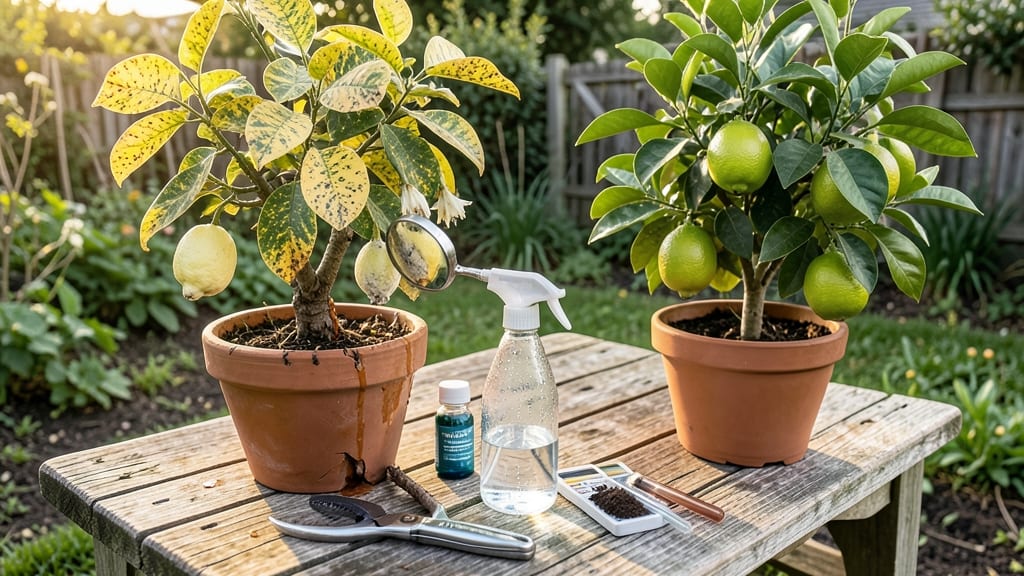
Your sick lemon tree’s yellowing leaves and drooping branches aren’t a death sentence—just a cry for help. 🌿 I’ve nursed back more than a few struggling citrus trees, and the key is acting fast before the problem spreads.
Most gardeners wait too long, thinking it’s just "part of the season," but early intervention can save your tree in weeks.
The real culprits are usually overwatering, nutrient deficiencies, or pests hiding in the leaves.
I’ve seen root rot turn a thriving tree into a sad skeleton in just two months, but catching it early means you can prune the damaged roots, adjust your watering, and add a balanced fertilizer to bring it back to life. The first step?
Check the soil moisture—if it’s soggy, that’s your answer.
Within 10-14 days of proper care, you’ll see new green growth pushing through. The trick is consistency: water only when the top inch of soil is dry, use organic neem oil for pests, and give it a monthly dose of citrus-specific fertilizer.
Your tree won’t just survive—it’ll bounce back stronger than before.
Works for both potted and in-ground lemon trees, and the same fixes apply to limes and oranges too. Let’s get your tree back to producing those sweet, fragrant lemons you love.
Root Causes Behind Ailing Trees
When your lemon tree starts showing signs of distress—yellowing leaves, wilted branches, or stunted growth—it’s often a cry for help from its roots (or lack thereof). Understanding the why behind these symptoms is the first step to saving your citrus companion.
Below, we break down the most common culprits, backed by science and actionable insights to help you diagnose and address the issue.
Lemon trees thrive in well-draining soil, but when roots sit in soggy conditions, they suffocate. Overwatering or compacted soil leads to:
- Root rot (caused by Phytophthora fungi or Pythium): Roots turn brown, mushy, and emit a foul odor. Oxygen deprivation forces the tree to drop leaves.
- Nutrient leaching: Excess water washes away essential minerals like nitrogen, potassium, and magnesium, leading to yellowing (chlorosis) between leaf veins.
- Fungal infections: Waterlogged soil creates the perfect breeding ground for pathogens like Fusarium.
💡 Pro Tip: Stick your finger 2–3 inches into the soil—if it’s damp, wait to water. Lemon trees prefer dry soil between waterings. Amend heavy clay soil with perlite or sand to improve aeration.
Lemon trees are sun-loving, but extreme conditions throw them off balance:
- Sunburn: Intense afternoon sun (especially after frost or transplant shock) causes scorch—brown, crispy patches on leaves. New growth may curl or drop.
- Heat stress: Temperatures above 90°F (32°C) for prolonged periods disrupt photosynthesis, leading to yellowing and leaf drop. Stomata (pores) close to conserve water, but this also halts nutrient uptake.
- Cold damage: Frost or temperatures below 25°F (-4°C) can kill leaves and even young branches. Cells rupture from ice crystal formation, causing blackened, mushy tissue.
🌡️ Solution: Provide morning sun + afternoon shade in hot climates. Mulch the base to regulate soil temperature. If frost is forecast, cover young trees with frost cloth.
Insects and diseases often go unnoticed until your tree is already struggling. Here’s how they attack:
| Pest/Disease | Symptoms | How It Damages the Tree |
|---|---|---|
| Spider Mites | Fine webbing on undersides of leaves, stippling (tiny white/yellow dots), leaf drop. | Pierce cells to suck sap, causing chlorosis and weakening the tree’s immune response. |
| Scale Insects | Bumpy, waxy shells on stems/leaves; sticky honeydew (attracts sooty mold). | Rob the tree of nutrients, leading to stunted growth and yellowing. |
| Citrus Canker (Xanthomonas) | Oozing, raised lesions on leaves/stems; leaves may drop prematurely. | Bacterial infection blocks water/nutrient transport, causing wilting and dieback. |
| Aphids | Curled leaves, sticky residue; often found on new growth. | Transmit viruses and weaken the tree by feeding on sap. |
🔥 Action Step: Inspect leaves weekly for pests. Treat mites/scale with neem oil or insecticidal soap. For canker, prune infected branches 1 inch below the lesion and sterilize tools with rubbing alcohol.
Yellowing leaves often signal a mineral deficiency. Here’s how to decode the clues:
| Deficiency | Leaf Symptoms | Cause |
|---|---|---|
| Nitrogen (N) | Overall yellowing (uniform chlorosis), starting with older leaves. | Poor soil quality, overwatering, or lack of organic matter. |
| Iron (Fe) | Yellowing between veins (veins stay green); common in alkaline soil. | High pH locks out iron; roots can’t absorb it. |
| Magnesium (Mg) | Yellow patches on older leaves; veins may stay green. | Leached from soil by overwatering or poor soil structure. |
| Potassium (K) | Yellowing/tan edges on older leaves; weak stems. | Excessive watering flushes potassium out. |
💪 Fix It: Test soil pH (ideal: 6.0–7.0 for citrus). Amend with chelated iron for chlorosis or use Epsom salt (magnesium sulfate) for yellowing leaves. A balanced citrus-specific fertilizer (high in N, K, and micronutrients) applied every 6–8 weeks prevents deficiencies.
If your lemon tree suddenly wilts after repotting or a storm, the issue may be root trauma:
- Root circling: Roots grow in tight circles from container-bound growth, strangling themselves when transplanted.
- Physical damage: Rough handling or compacted soil during transplanting severs roots, disrupting water/nutrient uptake.
- Graft rejection: If your tree is grafted, poor healing can cause the scion (top part) to die back or produce weak, yellowing growth.
🔪 Recovery Tip: When repotting, trim circling roots and add mycorrhizal fungi to boost root health. Water deeply after transplanting and avoid fertilizing for 4–6 weeks to reduce stress.
Reviving Your Lemon Tree Fast
When your lemon tree looks unwell—whether it’s sporting yellow leaves, wilting branches, or a general lack of vigor—it’s time to roll up your sleeves and get to work. The good news? Most issues have simple, effective fixes.
Below, we’ll break down the most common problems and the step-by-step solutions to bring your citrus back to health. Plus, we’ll share prevention tips to keep your tree thriving long-term.
Yellow leaves often signal a nutrient imbalance, especially if they start at the tips or between veins. Here’s how to diagnose and treat:
🔥 Step 1: Identify the Deficiency
Use this quick guide to spot the issue:
| Symptom | Likely Cause |
|---|---|
| Yellow leaves with green veins (older leaves first) | Nitrogen deficiency |
| Yellowing between veins (young leaves first) | Iron or magnesium deficiency |
| Brown, crispy edges on leaves | Overwatering or salt buildup |
👨🍳 Step 2: Apply the Right Fix - For nitrogen deficiency: Feed your tree with a balanced citrus fertilizer (like 6-6-6 or 8-3-9) every 4-6 weeks during growing season (spring-fall).
Use half the recommended dose to avoid overfeeding. - For iron/magnesium deficiency: Use an iron chelate or Epsom salt solution (1 tbsp per gallon of water, applied every 2 weeks until leaves green up). - For salt buildup: Flush the soil with water until it runs clear from the drainage holes.
Avoid fertilizing until the soil drains normally.
💡 Prevention Tips
- Test your soil every 2-3 years to monitor pH (ideal: 6.0–7.0 for citrus).
- Water deeply but infrequently—lemon trees hate soggy roots.
- Avoid over-fertilizing—more isn’t better!
If your lemon tree’s branches are limp or wilting, it’s often a sign of underwatering, root stress, or heat shock. Here’s how to revive it:
🍳 Step 1: Check the Roots
- Gently loosen the top inch of soil and inspect the roots. Healthy roots are white or light tan. If they’re dark, mushy, or pulling away from the soil, it’s time to act fast.
🔥 Step 2: Adjust Watering Habits
- Underwatered? Water deeply until it drains from the bottom, then wait until the top 2 inches of soil are dry before watering again.
- Overwatered? Stop watering immediately and let the soil dry out.
If roots are rotting, trim the affected roots (sterilize shears with rubbing alcohol first) and repot in fresh, well-draining soil.
⏰ Step 3: Provide Support
- Move the tree to a shadier spot (but still with 6+ hours of sunlight daily) to reduce stress.
- Mist the leaves daily to increase humidity (especially in dry climates).
- If branches are severely drooping, gently prop them up with small stakes to prevent breakage.
🎯 Prevention Tips
- Use a moisture meter to track soil dampness—aim for 50–70% moisture in the root zone.
- Mulch around the base (but keep it 2–3 inches away from the trunk) to retain moisture.
- Avoid cold drafts or sudden temperature swings—lemon trees prefer 60–85°F.
Pests like aphids, spider mites, and scale insects can drain your tree’s energy, leading to weak growth and yellowing. Here’s how to evict them:
🔪 Step 1: Identify the Culprit
Check the undersides of leaves and stems for:
- Aphids: Tiny green/black bugs clustered together.
- Spider mites: Fine webbing and speckled leaves.
- Scale insects: Brown/bumpy spots that don’t move.
- Whiteflies: Tiny white moths fluttering when you shake the tree.
👨🍳 Step 2: Treat Naturally or Chemically - For mild infestations: - Spray with neem oil (1 tsp neem oil + 1 tsp mild soap per quart of water).
Reapply every 5–7 days for 2–3 weeks. - Blast off pests with a strong stream of water. - For severe infestations: - Use an insecticidal soap or horticultural oil (follow label instructions). - Introduce beneficial insects like ladybugs or lacewings.
💡 Prevention Tips
- Inspect new plants before bringing them home—quarantine for 2 weeks if possible.
- Encourage natural predators by planting marigolds or basil nearby.
- Avoid over-fertilizing with nitrogen—it attracts soft-bodied pests.
With these targeted fixes, your lemon tree should bounce back within weeks. The key is acting quickly and staying consistent with care. Once it’s back in shape, focus on prevention to keep those lemons coming!
Frequently asked questions
Why are my lemon tree leaves turning yellow but staying attached?
This is often a sign of iron or magnesium deficiency. Lemon trees need these minerals to produce chlorophyll. Check if the yellowing appears between veins (iron) or as patches on older leaves (magnesium). Fix it by applying chelated iron or Epsom salt solution (1 tbsp per gallon of water) every 2 weeks until leaves green up. Test your soil pH—citrus trees prefer 6.0-7.0.
Can I save a lemon tree with root rot? What are the first signs?
Early signs include yellowing leaves, wilting branches, and foul-smelling soil. Check roots—healthy ones are firm and white, while rotten roots are mushy and brown. If caught early, trim affected roots with sterilized shears, repot in fresh well-draining soil with perlite, and reduce watering. For severe cases, you may need to replace the entire root ball.
How often should I fertilize a sick lemon tree?
Start with half the recommended dose of a citrus-specific fertilizer every 6-8 weeks during growing season (spring-fall). Over-fertilizing stresses weak trees. If leaves show burnt tips, flush the soil with water to remove excess salts. For nutrient deficiencies, use targeted amendments like Epsom salt (magnesium) or iron chelate instead of general fertilizer.
Is it safe to prune a sick lemon tree? How do I do it correctly?
Yes, pruning helps! Remove dead, diseased, or crossing branches first using sterilized shears. Cut 1/4 inch above a leaf node at a 45-degree angle. For severely weakened trees, prune back no more than 25% of the foliage to avoid shock. Prune in late winter or early spring before new growth begins. Always sterilize tools with rubbing alcohol between cuts.
My lemon tree has black spots on leaves—could it be fungal disease?
Black spots with yellow halos often indicate citrus leaf spot or anthracnose. Remove affected leaves immediately and sterilize your tools. Improve airflow by pruning dense branches and avoid overhead watering. Apply copper fungicide or a baking soda spray (1 tbsp baking soda + 1 quart water + drop of soap) every 2 weeks until new growth appears. Keep the area dry and mulch around the base to prevent soil-borne fungi.