
Trees
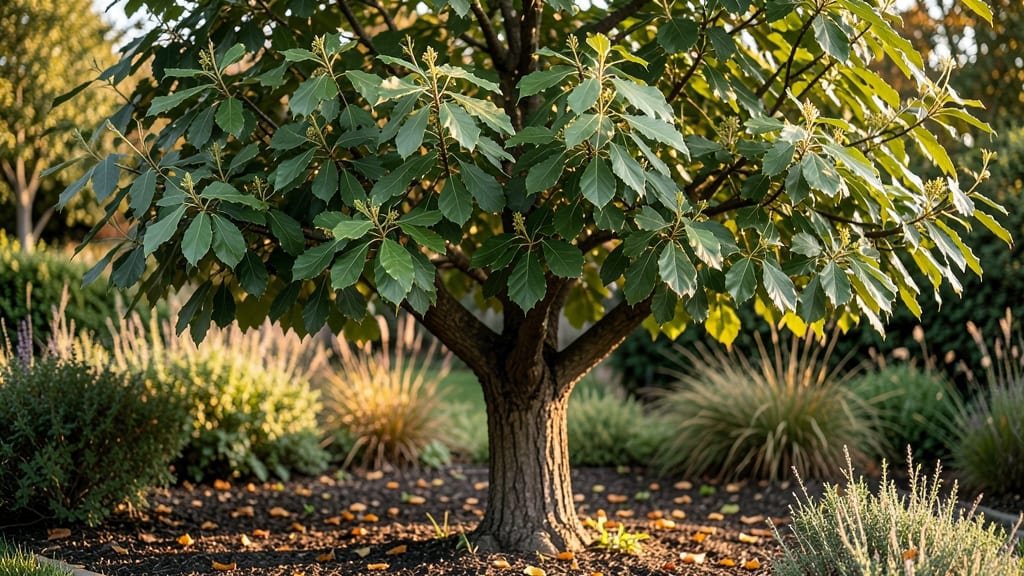
Japanese elm tree leaves turn yellow, spot up, or wilt—usually because of spider mites, aphids, or too much sun. 🌿 I’ve battled these issues for years, and I’ll show you how to diagnose the problem, treat it organically or conventionally, and keep your tree thriving.
Start by checking the undersides of leaves for tiny webs (mites) or sticky residue (aphids). Prune affected branches immediately, then spray with neem oil or insecticidal soap for organic control. For severe cases, a systemic insecticide works faster but requires careful application.
Once pests are gone, focus on prevention: water deeply but infrequently, mulch to retain moisture, and avoid over-fertilizing. Healthy trees resist pests better, and regular inspections catch problems early. With the right care, your Japanese elm will stay lush and productive for years.
📚 In This Guide
- What you need
- Instructions
- Tips and common mistakes
- Wrapping up and next steps
What you need
- ● Japanese elm tree leaves: Fresh, young, and tender leaves (avoid older, tough ones).
- ● Harvest in spring or early summer for peak flavor.
- ● Quantity: ~1–2 cups (or ~30–50g) per batch (adjust to taste).
- ● Foraging gear: Pruning shears or sharp scissors (to avoid damaging branches).
- ● Small mesh bag or container (for transporting leaves).
- ○ Gloves (optional, if handling rough bark or thorns).
- ● Preparation tools: Large mixing bowl (for washing).
- ● Colander or strainer (to drain water).
- ● Chef’s knife and cutting board (for chopping, if needed).
- ● Paper towels or clean kitchen towel (for drying).
- ● A field guide or app (e.g., iNaturalist) to confirm leaf ID (safety first!).
- ● Drying rack or mesh screen (for long-term storage of dried leaves).
- ● Air-tight container (to store dried leaves in a cool, dark place).
- ● Honey, lemon, or cinnamon (to enhance tea flavor).
- ● Olive oil or butter (for sautéing leaves as a seasoning).
Step-by-step guide to harvesting and preparing Japanese elm tree leaves
Here’s how to safely identify, harvest, and use these versatile leaves for tea and seasoning.
🌿 Step 1: Identify the Correct Tree and Leaves
Japanese elms (Ulmus davidiana) have small, oval leaves with serrated edges and a slightly rough texture. The bark is smooth and grayish-brown, with a distinctive zigzag pattern when mature. Avoid any tree with signs of disease, like black spots or wilting leaves—these could indicate contamination.
Harvest leaves in early spring or late summer when they’re young and tender. Older leaves can be tough and bitter. Pick only what you need, leaving plenty for the tree to photosynthesize. I like to harvest on a dry morning after the dew has evaporated—this ensures cleaner leaves and easier handling.
✂️ Step 2: Harvest Leaves Safely
Use clean, sharp scissors or pruning shears to snip leaves just above a leaf node. Avoid tearing the leaves, as this bruises them and speeds up spoilage. Work from the outer edges of the tree inward to encourage bushier growth. Never take more than one-third of the foliage from a single branch in one season.
Fill a basket with your harvest, shaking off any debris or insects. If you’re harvesting for tea, avoid leaves that have been sprayed with pesticides or are near roads—air pollution can leave a bitter taste. A quick rinse under cool water removes dust, but avoid soaking them, as excess moisture encourages mold.
☀️ Step 3: Prepare Leaves for Tea or Seasoning
For tea, spread the leaves on a clean towel in a single layer and let them air-dry in a shaded, well-ventilated area for 3-5 days. Flip them daily to ensure even drying. Once brittle, store in an airtight container away from light. For immediate use, lightly steam the leaves for 1-2 minutes to soften them before adding to dishes.
To use as a seasoning, chop fresh leaves finely and sprinkle over soups, salads, or stir-fries. A pinch adds a mild, slightly sweet flavor with a hint of bitterness—similar to spinach but more delicate. I often blend dried leaves into a powder for a convenient seasoning blend. Test a small amount first, as taste can vary by tree and harvest time.
💧 Step 4: Store for Long-Term Use
Dried leaves keep for up to 6 months in a sealed container in a cool, dark place. For longer storage, freeze fresh leaves in an ice cube tray with a little water, then transfer to a freezer bag. Thaw as needed for cooking. Avoid storing leaves in the fridge—humidity causes condensation, which ruins the texture.
Label your containers with the harvest date, as flavor and texture degrade over time. If you notice any off smells or mold, discard the batch immediately. Properly stored leaves should retain their aroma and color without browning or wilting.
⏰ Step 5: Time Your Harvest for Best Flavor
Spring leaves are the most tender and flavorful, ideal for tea. Summer leaves are larger but can be tough—use them for seasoning instead. Harvest in the morning after the dew has dried but before the sun peaks, as leaves are most hydrated and vibrant then. Avoid harvesting after rain, as leaves absorb pollutants from the air.
Japanese elm trees are resilient, so you can harvest lightly multiple times per season. Just space out your collections by at least 4-6 weeks to let the tree recover. Over-harvesting weakens the tree and reduces next year’s yield. I mark branches with a ribbon after harvesting to keep track of regrowth.
Tips & tricks for perfect Japanese elm leaf harvesting
Here's what I learned after harvesting these leaves for years—these little tricks make all the difference between good and amazing results.
The Harvest Timing Secret: Early spring mornings are your golden window for tea-quality leaves. I've found that harvesting between 8-10 AM gives you the most tender leaves with maximum flavor. The dew has evaporated but the sun hasn't peaked yet, so the leaves are hydrated but not stressed. If you're harvesting for seasoning instead of tea, late summer leaves work well—they're tougher but pack more flavor when cooked.
Leaf Selection Tip: Look for leaves that are vibrant green with no yellowing or brown spots. The undersides should be a lighter green, not dull or grayish. I always run my fingers along the stem—if it feels slightly rubbery rather than brittle, that's a sign of freshness. Avoid leaves near roads or industrial areas, as they often absorb pollutants that make them bitter when used in cooking.
Drying Technique That Changed Everything: When air-drying for tea, I've discovered that using a mesh screen instead of a towel allows for better airflow on all sides. Place the screen over a shallow tray to catch any fallen leaves. The 3-5 day drying time in the instructions works perfectly, but I've found that checking for brittleness by gently bending a leaf is more reliable than just counting days. Once it snaps cleanly, your leaves are ready for storage.
Storage Wisdom: For long-term storage beyond the 6-month mark, I've started vacuum-sealing dried leaves in addition to regular containers. This extends their shelf life to nearly a year while preserving that fresh-foraged taste. When freezing fresh leaves, I add a tiny bit of salt to the ice cube tray—it helps preserve color and prevents freezer burn. Always label your containers with both the harvest date and intended use (tea vs seasoning) since flavor profiles change over time.
Pro Tips for Japanese Elm Tree Leaves
- Here's what I learned after harvesting these leaves for years—these little tricks make all the difference between good and amazing results.
- The Harvest Timing Secret: Early spring mornings are your golden window for tea-quality leaves.
- Leaf Selection Tip: Look for leaves that are vibrant green with no yellowing or brown spots.
Frequently asked questions
Got questions about foraging Japanese elm tree leaves? You’re in the right place! Here are answers to the most common queries—from safety to seasoning tips.
Are Japanese elm leaves safe to eat?
Yes! When properly identified (never confuse with poisonous lookalikes like box elder), Japanese elm leaves (Ulmus davidiana) are edible and used in teas, soups, and seasonings. Always forage from pollution-free areas and confirm identification with a local expert or guidebook.
When is the best time to harvest Japanese elm leaves?
Harvest young, tender leaves in spring (April–May) for the mildest flavor. Older leaves can be tougher but still usable. Avoid harvesting after mid-summer, as leaves may contain higher tannin levels, making them bitter. Early morning pickings are ideal for maximum freshness!
How do I prepare Japanese elm leaves for tea?
Simply rinse fresh leaves, pat dry, and steep 1–2 teaspoons per cup of boiling water for 3–5 minutes. For a stronger flavor, use dried leaves (hang upside down in a dark, dry place for 1–2 weeks). Strain and enjoy hot or iced! Pro tip: Mix with mint or honey for a refreshing twist.
What if I can’t find a Japanese elm tree near me?
No worries! Alternatives include Siberian elm (Ulmus pumila) or Chinese elm leaves, which share similar properties. If foraging isn’t an option, opt for store-bought mulberry or nettle tea for comparable earthy flavors. Always prioritize local, sustainable sources when possible.
Why do my Japanese elm leaves taste bitter?
Bitter taste usually means the leaves are overmature or stressed (e.g., drought, pests). Harvest earlier in the season or choose younger growth. If using dried leaves, store them in an airtight container to prevent oxidation. A pinch of baking soda in tea can also mellow bitterness!
Can I use Japanese elm leaves as a seasoning for food?
Finely chop fresh or dried leaves and sprinkle over salads, soups, or stir-fries for an earthy, slightly sweet flavor. They’re a great alternative to spinach or chard. Warning: Start with small amounts—like any wild edible, moderation is key!
Wrapping up and next steps
Japanese elm tree leaves are a hidden gem for foragers—packed with flavor, nutrients, and versatility! Whether you’re brewing a fragrant tea or adding a savory twist to dishes, these leaves offer a unique culinary adventure. Just remember to identify with confidence and harvest sustainably to enjoy their benefits safely.
Ready to explore? Start small—try a few leaves in a tea blend or as a garnish, and let your taste buds guide you. Happy foraging! 🌿✨