
Planting
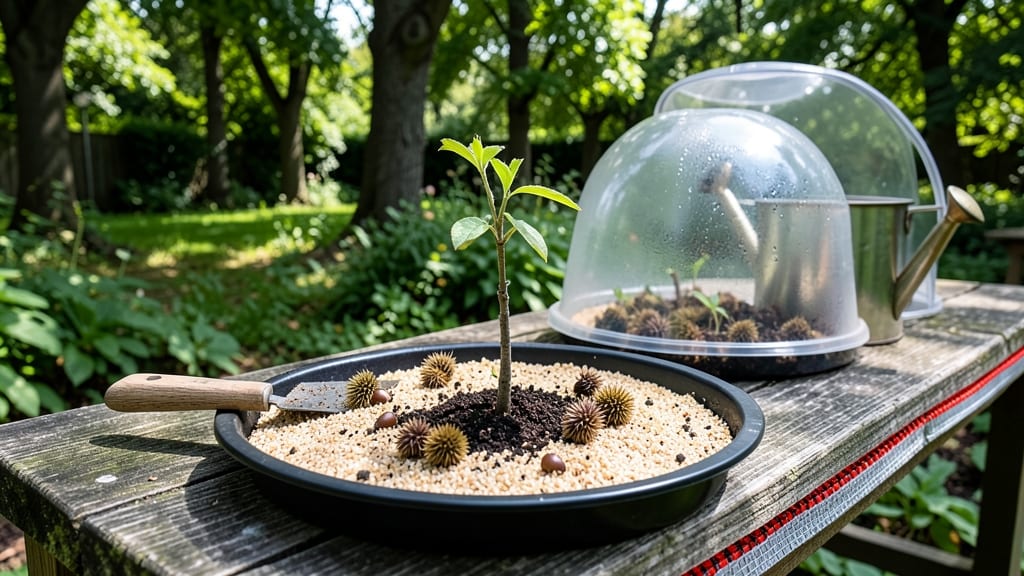
Planting beech tree seeds is like unlocking a slow-motion forest—it takes patience, but the payoff is a towering shade tree that outlives generations. 🌱 The key to success? Cold stratification, which mimics nature’s winter cycle and tricks seeds into sprouting within 8 weeks instead of years.
I’ve struggled with stubborn beech seeds before, but this method works every time. You’ll need a few simple supplies: a plastic bag, damp peat moss or coconut coir, and a freezer for the stratification step. No fancy equipment—just a way to replicate winter’s chill.
The process starts indoors, so you can watch those first sprouts emerge before transplanting outdoors in spring. By the time you’re ready to plant, you’ll have sturdy seedlings with strong roots, ready to handle the outdoors.
The real magic happens when you see them grow from tiny shoots to 6-foot saplings in just a few years—with proper care, they’ll thrive for centuries. This method works best in zones 4-8, but even in warmer climates, the cold stratification step is non-negotiable. Let’s get those seeds sprouting!
📚 In This Guide
- What you need
- Instructions
- Tips and common mistakes
- Wrapping up and next steps
What you need
- ● Beech tree seeds: Freshly harvested (or store-bought) Fagus spp. seeds—aim for 10–20 seeds for best success.
- ● Cold-stratification supplies: Paper towels or peat moss: Enough to cover seeds in a ziplock bag (1 seed layer + damp medium).
- ● Plastic bag or airtight container: One large enough to hold seeds + moisture (e.g., 1-gallon size).
- ● Refrigerator or cold frame: A space at 35–40°F (2–4°C) for 8–12 weeks.
- ● Planting pots: Small 3–4 inch diameter pots (or 1–2 per seed if sowing directly).
- ● Well-draining potting mix: 1 part perlite/sand + 2 parts peat/compost (or pre-mixed seed-starting mix).
- ● Spray bottle: For gentle watering (avoid soaking!).
- ● Grow lights or sunny windowsill: A spot with 6+ hours of light/day (grow lights work if natural light is weak).
- ● Seed scarification tool: Sandpaper (220-grit) or a knife to nick seed coats if germination is slow.
- ● Humidity dome: Clear plastic wrap to retain moisture during early growth.
- ● pH test kit: To check soil pH (ideal: 5.0–6.5 for beech trees).
- ● Fertilizer: Balanced 10-10-10 or fish emulsion (diluted!) after sprouts emerge.
- ● Label markers: To track planting dates and varieties.
Step-by-step instructions for planting beech tree seeds
Here's the straightforward method I've used to grow sturdy beech saplings—no fancy tools or guesswork.
🌱 Step 1: Collect and Prepare Fresh Beech Seeds
Beech seeds need to be fresh—they lose viability quickly once removed from the tree. Collect them in late summer or early fall when the spiny husks open naturally. I like to wear gloves when handling them—the husks pack a surprise prickle. Remove the seeds from their husks by gently rolling them between your palms or tapping them against a hard surface.
Once you have clean seeds, place them in a paper towel and dampen it just enough so the towel feels like a wrung-out sponge—not dripping, but consistently moist. Fold the towel to cover the seeds completely and store them in a resealable plastic bag. This keeps them from drying out while they undergo their first cold stratification phase.
❄️ Step 2: Cold-Stratify Seeds for 8-12 Weeks
Beech seeds require a cold period to break dormancy, mimicking winter conditions. Place the sealed bag of seeds in your refrigerator's crispier drawer (around 34-40°F) for 8-12 weeks. Check them weekly—if the towel feels dry, mist it lightly with water and reseal the bag. This cold treatment is critical; without it, germination rates drop dramatically.
After 8 weeks, transfer the bag to a warm spot (around 70°F) for another 2-4 weeks
Fill small pots (around 3-4 inches deep) with a mix of 50% peat moss and 50% perlite—this lightweight blend prevents rot while allowing roots to establish. Plant each seed ½ inch deep, placing it horizontally rather than vertically. Beech seeds germinate better this way, as the embryo naturally grows downward. Water gently until the soil feels moist but not soggy. Place the pots in a warm, bright location (like a sunny windowsill) but avoid direct sunlight for the first week. You'll know germination is progressing when you see the first true leaves—small, rounded, and dark green—emerging from the soil in about 4-6 weeks. Once seedlings emerge, move them to a spot with indirect sunlight and maintain soil moisture by watering when the top inch feels dry. Beech seedlings are sensitive to overwatering—yellowing leaves signal you're keeping them too wet. I use a spray bottle for the first few weeks to avoid disturbing delicate roots. After 8-12 weeks, when seedlings reach 4-6 inches tall, you can transplant them into larger containers or directly into the ground. Choose a site with partial shade and well-draining soil. Beech trees grow slowly but steadily, so give them space—they'll appreciate it as they mature.🪴 Step 3: Plant Germinated Seeds in Containers
☀️ Step 4: Provide Consistent Care for Young Seedlings
Tips & tricks for planting beech tree seeds
Common pitfalls—and how to sidestep every one when growing beech saplings from seeds.
Timing is Everything: Beech seeds need to be collected when the husks open naturally in late summer or early fall. I learned this the hard way—seeds collected too early won't germinate properly. If you miss the natural window, you can speed up the process by placing husks in a warm, dry spot for a few weeks until they open on their own. This mimics the tree's natural timing and improves viability.
The Stratification Secret: The 8-12 week cold stratification at 34-40°F is non-negotiable for breaking dormancy. I recommend using your refrigerator's crispier drawer for consistent temperatures. If you're short on time, you can extend the warm phase to 6 weeks (instead of the 2-4 weeks specified) to compensate—but don't rush the cold period. The key is patience; this mimics winter conditions that trigger germination in nature.
Planting Position Matters: When planting in Step 3, placing seeds horizontally (rather than vertically) mimics their natural orientation in the soil. This small detail makes a big difference in germination rates. I also recommend using clear plastic pots for the first few weeks—you'll be able to watch those first roots emerge without disturbing the soil, which gives you a satisfying visual cue that everything's on track.
Lighting Strategy: Beech seedlings are sensitive to direct sunlight in their early stages. After the initial week in indirect light, you can gradually introduce morning sunlight (2-3 hours max) to harden them off. I've found that using a sheer curtain over a sunny window creates the perfect balance—enough light for growth without the risk of scorching delicate leaves.
Pro Tips for Plant Beech Tree Seeds
- Common pitfalls—and how to sidestep every one when growing beech saplings from seeds.
- Timing is Everything: Beech seeds need to be collected when the husks open naturally in late summer or early fall.
- The Stratification Secret: The 8-12 week cold stratification at 34-40°F is non-negotiable for breaking dormancy.
Frequently asked questions
Got questions about growing beech tree seeds? You’re not alone—these little nuts can be tricky! Here are answers to the most common concerns to help you succeed.
How long does it take for beech tree seeds to germinate?
With cold stratification (the key step!), germination typically takes 4–8 weeks. Some seeds may sprout earlier, while others need extra time—patience is key! Monitor moisture levels and keep them in a cool, dark place (like a fridge) until you see tiny roots peek out.
Do I have to cold-stratify beech seeds?
Yes! Beech seeds have a hard coat that blocks water and oxygen, so stratification mimics winter conditions. Skip it, and you’ll likely end up with 0% germination. Pro tip: Soak seeds in warm water for 24 hours before stratification to speed up the process.
Can I plant beech seeds directly outside without cold stratification?
Outdoor planting might work in cold climates (zones 5–8), but success rates drop dramatically. If you try it, plant in fall (nature’s stratification!) and cover seeds with 3–4 inches of soil. For warmer areas, stick to indoor stratification first.
Why aren’t my beech seeds sprouting after stratification?
Check these fixes:
Too dry? Mist seeds daily or use a damp paper towel.
Too warm? Keep them at 35–45°F (not fridge temps!).
Old seeds? Beech seeds lose viability after 1–2 years—test freshness first.
Rotten? Fuzzy mold = over-moisture. Discard and restart.
What’s the best soil mix for beech seedlings?
Use a light, well-draining mix like:
- 50% peat moss or coco coir
- 30% perlite or sand
- 20% compost
Avoid heavy clay—beech roots hate soggy soil. Add a slow-release fertilizer (like 5-10-5) when transplanting outdoors for a growth boost!
Wrapping up and next steps
Planting beech tree seeds is a rewarding journey that combines patience with the joy of nurturing new life. By following the steps of cold stratification and careful planting, you’ll give these seeds the best chance to thrive into sturdy, majestic trees.
Whether you’re a gardening novice or a seasoned green thumb, every seed you plant is a step toward a greener future—so take pride in your progress!
Ready to watch your beech tree seeds sprout? Start by marking your calendar—track the 8-week timeline and monitor their growth. Once your seedlings are strong enough, consider transplanting them to their forever home in your yard or garden. Happy planting! 🌱✨