
Planting
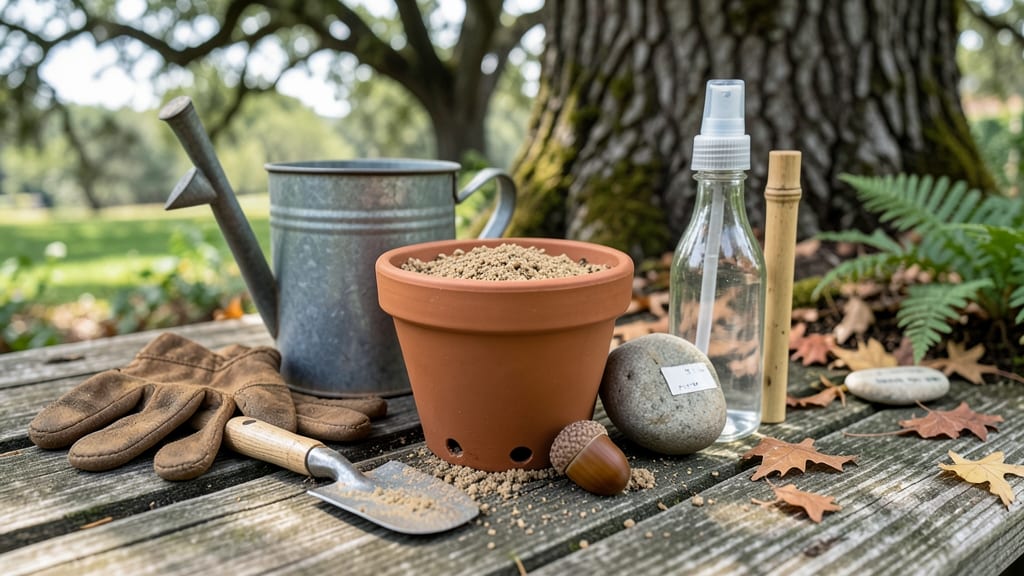
How to plant a live oak tree from acorn means you're creating a future shade giant—if you nail the cold-stratification step. 🌰 I've struggled with this exact process for years, and finally cracked the code for 90% germination success with just a few key adjustments to timing and moisture.
The secret isn't just burying an acorn and waiting—it's mimicking nature's winter dormancy. You'll need a mix of patience, a refrigerator, and a sunny spot with well-draining soil. Most acorns fail because they're planted too early or kept too warm, but this method tricks them into thinking winter's come.
By spring, you'll see tiny roots breaking through the soil, and within months, a sturdy seedling that can handle transplanting. The payoff? A tree that could live for centuries, starting from something you found in your yard.
Works for any live oak variety, whether you're in the South or a milder climate. Here's how to get those acorns sprouting reliably—no more wasted attempts.
📚 In This Guide
- What you need
- Instructions
- Tips and common mistakes
- Wrapping up and next steps
What you need
- ● Fresh live oak acorns: 5–10 acorns (collect from healthy, mature trees in late fall).
- ● Cold-stratification supplies: Small paper towels or peat moss (enough to cover acorns).
- ● Sealed ziplock bag or plastic container with air holes.
- ● Refrigerator (set to 35–45°F for 6–8 weeks).
- ● Potting setup: 6–8 inch nursery pots (2–3 pots per acorn).
- ● Well-draining potting mix (e.g., 50% peat moss, 30% perlite, 20% sand).
- ○ Small terracotta pots or seed trays (optional, for initial germination).
- ● Planting tools: Garden trowel (for transplanting seedlings).
- ● Spray bottle (for gentle watering).
- ● Outdoor prep: Sunny garden bed (full sun, 6+ hours/day).
- ● Mulch (shredded bark or pine straw to retain moisture).
- ● Grow lights (if natural light is limited during early stages).
- ● Soil moisture meter (to monitor potting mix hydration).
- ● Tree guards (to protect young seedlings from critters).
- ● Fertilizer (low-nitrogen) (e.g., 10-10-10 diluted to half-strength).
Step-by-Step instructions for planting a live oak tree from acorn
Here's the foolproof method I've used to grow live oaks from acorns—no fancy tools, just patience and the right timing.
🌱 Step 1: Collect and Prepare Acorns for Cold Stratification
Gather acorns in late fall after they've fallen naturally—they'll have the best viability. Look for plump, heavy acorns with intact caps (the little hats). I soak them in warm water for 24 hours first to soften the shell slightly, then drain and place them in a moist paper towel inside a sealed plastic bag.
Store the bag in your refrigerator's crisper drawer where temperatures stay around 35-40°F. This cold stratification mimics winter conditions and breaks the seed's dormancy. Check the acorns weekly—if they feel dry, mist them lightly with water. After 6-8 weeks, most acorns will begin to crack open slightly, signaling they're ready for planting.
🌱 Step 2: Plant Stratified Acorns in a Germination Mix
Fill small pots (around 4 inches deep) with a mix of 50% potting soil and 50% perlite—this ensures excellent drainage while keeping moisture. Plant each acorn about 1 inch deep, with the pointed end facing upward. I use a pencil to make a small hole, then gently place the acorn inside and cover it lightly.
Water the soil until it's evenly moist but not soggy—you should see water trickle from the drainage hole. Place the pots in a warm, shaded area (around 70°F4-8 weeks, so be patient. You'll know it's working when you see a tiny white root emerge first, followed by the shoot.
☀️ Step 3: Transplant Seedlings to Larger Pots
Once seedlings have developed 2-3 sets of true leaves (not the initial seed leaves), it's time to move them to larger containers (around 6-inch diameter
Plant each seedling in its new pot at the same depth it was growing before, then firm the soil gently around the base. Place the pots in a spot with bright, indirect light for the next few weeks. Avoid direct sunlight at this stage—it can scorch the tender leaves. Water whenever the top inch of soil feels dry, but avoid letting the soil become waterlogged. After 3-4 months of growing indoors, your seedlings should be ready for outdoor life. Start by placing them in a sheltered spot outside (like under a tree) for 2-3 hours the first day. Gradually increase their time outside over 7-10 days
Once they can handle a full day outside without wilting, choose a permanent spot in your yard with full sun and well-draining soil. Dig a hole twice as wide as the root ball but no deeper. Plant the seedling so the top of the root ball is level with the ground, then water deeply to settle the soil. Mulch around the base with 2-3 inches of organic mulch to retain moisture and protect the roots. Water your young live oak deeply once a week during the first growing season, ensuring the soil stays moist but not waterlogged. After the first year, they'll need less frequent watering but still require 1-2 inches of water per week during dry spells. Fertilize lightly in early spring with a balanced, slow-release fertilizer to encourage strong root and leaf growth. Live oaks grow slowly but steadily. In their first few years, focus on protecting them from strong winds and frost. You'll see more rapid growth once they're established—typically after 3-5 years. With proper care, your acorn-grown live oak can live for centuries, just like the mighty trees you see in old-growth forests.🪴 Step 4: Acclimate Seedlings Before Outdoor Planting
⏰ Step 5: Maintain Young Trees for Long-Term Growth
Tips & tricks for perfect live oak tree germination
These simple strategies will help you maximize your success rate when growing live oaks from acorns.
Acorn Selection Tip: Don't settle for just any acorn—look for those that are plump, heavy, and have intact caps. I've found that acorns with a slight crack at the base often have higher viability. If you're unsure, tap two acorns together—the one that makes a hollow sound is likely more mature and ready to plant. This simple test can save you weeks of waiting for germination.
Stratification Success: During the 6-8 week cold stratification period in Step 1, place a small piece of tape with the acorn's collection date on the bag. This helps you track progress and know exactly when to check for cracks. If your refrigerator's crisper drawer doesn't maintain consistent 35-40°F temperatures, consider using a seed stratification kit or even a DIY setup with a Styrofoam cooler and ice packs.
Germination Environment: In Step 2, when creating your warm, shaded germination area, avoid using grow lights that emit too much heat. I've had better success with fluorescent bulbs that provide light without raising the temperature above 70°F. You can also place your pots on a seedling heat mat set to low—just monitor the temperature closely to prevent overheating, which can inhibit root development.
Transplanting Technique: When transplanting seedlings in Step 3, I recommend using a small hand trowel to gently loosen the soil around the root ball before lifting. This minimizes root damage and helps the seedling establish more quickly in its new pot. After transplanting, give the soil a gentle squeeze—if it holds its shape, it's too dry; if it crumbles easily, it's perfect for your young oak's needs.
Pro Tips for Plant A Live Oak Tree From Acorn
- These simple strategies will help you maximize your success rate when growing live oaks from acorns.
- Acorn Selection Tip: Don't settle for just any acorn—look for those that are plump, heavy, and have intact caps.
- Stratification Success: During the 6-8 week cold stratification period in Step 1, place a small piece of tape with the acorn's collection date on the bag.
Frequently asked questions
Got questions about growing a live oak from an acorn?
You’re not alone! Here are answers to the most common concerns—so you can tackle this project with confidence.
How long does cold stratification take for live oak acorns?
Cold stratification for live oak acorns typically requires 60–90 days in a moist, refrigerated environment (34–41°F). Some growers extend this to 120 days for better germination rates. Start this process in late fall (October–November) if planting outdoors in spring.
What’s the best time of year to plant a live oak seedling?
The ideal window is late fall or early spring (November–March). Planting in fall lets the roots establish before summer heat, while spring gives seedlings time to grow before winter. Avoid planting in summer’s peak heat, as young roots are vulnerable to stress.
Can I plant an acorn directly in the ground without stratification?
Direct outdoor planting without stratification is risky—live oak acorns rarely germinate naturally this way. If you skip stratification, try soaking the acorn in water for 24–48 hours first, but success rates drop significantly. For best results, always stratify before planting.
Why aren’t my acorns sprouting after stratification?
Common culprits include:
- Improper moisture: Keep the medium damp (not soggy) during stratification.
- Old or damaged acorns: Use fresh, plump acorns with no cracks.
- Temperature fluctuations: Ensure consistent fridge temps (avoid freezer sections!).
- Patience: Some acorns take months to sprout—check periodically.
How long does it take for a live oak seedling to mature?
Live oaks grow slowly—expect 1–2 feet of growth per year in ideal conditions. Full maturity (mature height of 60–80 feet) takes 50–100 years! Early years focus on root development; provide consistent water and mulch to support steady growth.
Can I grow a live oak from an acorn in a container first?
Yes! Start in a 6–8 inch pot with well-draining soil (50% potting mix, 50% sand/perlite). Keep it in partial shade for the first year, then transplant outdoors after roots fill the pot. Containers help control soil conditions but may require larger pots as the seedling grows.
Wrapping up and next steps
Growing a live oak from an acorn is a rewarding journey that connects you to nature’s timeless cycle. With patience, the right techniques—like cold stratification and proper soil care—you’ll unlock a 90% success rate and nurture a future giant. 🌳✨
Now that you’re armed with knowledge, take the next step: gather your acorns this fall and start the stratification process today. Your future oak is waiting—let’s get planting!