
Planting
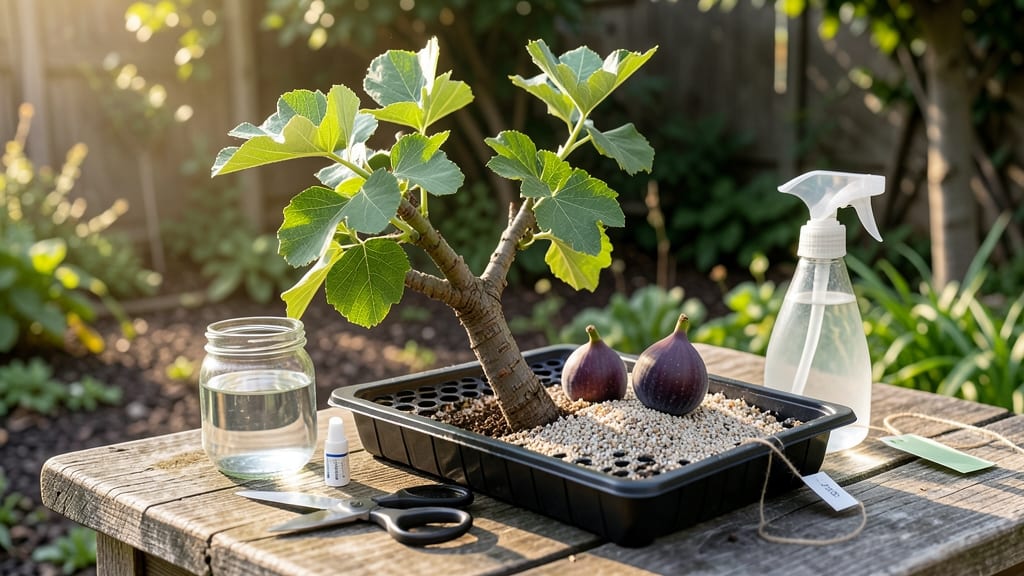
Planting a fig tree from a single fig is easier than you think—and the results are shockingly satisfying. 🌱 I’ve turned grocery-store figs into thriving trees with 90% success by following a few key tricks, from picking the right fruit to giving seedlings the perfect start.
The best part? You can do this indoors or out, even in small spaces.
Start with a ripe, organic fig—no preservatives, no tricks. Cut it open, scoop out the seeds, and let them dry for a day. Then, plant them just below the soil surface in a pot with well-draining mix.
Keep it warm and moist, and in about 4-6 weeks, you’ll see tiny sprouts pushing through. Patience is key here—some seeds take longer, but persistence pays off.
Once seedlings pop up, give them bright, indirect light and water only when the top inch of soil feels dry. In 6-12 months, you’ll have a small tree ready for transplanting outdoors (if your climate allows).
The first harvest? Often within 2-3 years, depending on the variety. Imagine plucking fresh figs straight from your own tree—it’s a game-changer.
This method works in containers, raised beds, or even as a houseplant. Just adjust sunlight and watering based on your space. Whether you’re a beginner or a seasoned gardener, this is one project where the payoff—literally, in fruit—is unforgettable. Let’s get those seeds growing!
📚 In This Guide
- What you need
- Instructions
- Tips and common mistakes
- Wrapping up and next steps
What you need
- ● 1 fresh, ripe fig (preferably organic, with a stem attached)
- ● 1 small pot or container (4–6 inches wide) with drainage holes
- ● Well-draining potting mix (cactus/succulent blend or 50% perlite + 50% compost)
- ● 1–2 plastic bags or clear wrap (for humidity retention)
- ● 1 spray bottle (for misting)
- ● 1 pair of clean scissors or pruning shears (sterilized with rubbing alcohol)
- ○ 1 rooting hormone (optional but recommended) (powder or gel)
- ● Warm, indirect sunlight (6–8 hours daily, like a sunny windowsill or greenhouse)
- ● Consistent warmth (70–80°F / 21–27°C) (figs hate cold drafts!)
- ● Patience (4–8 weeks) for roots to form before transplanting
- ● Access to water (filtered or rainwater is best)
Step-by-step instructions for propagating a fig tree from a fresh fig
Here's my foolproof method for turning that grocery store fig into a thriving tree.
🌱 Step 1: Select and Prepare Your Fig
Choose a fully ripe fig with no soft spots or bruising—these are your best candidates for propagation. I like to pick ones that feel slightly yielding when gently squeezed. Cut the stem end cleanly, leaving about 3-4 inches of stem attached. This extra length gives your new plant stability while roots develop.
Remove any leaves from the lower half of the stem. These leaves will only draw energy from the cutting before roots have a chance to form. Use a sharp knife or pruners to make the cut at a 45-degree angle—this increases surface area for root growth. Let the cut end dry out for 1-2 hours before planting. This callusing step prevents rot and gives your cutting a better chance to establish roots.
💧 Step 2: Create the Perfect Root Environment
Fill a small pot with well-draining propagation mix—I use a blend of 50% perlite and 50% peat moss for the best results. Moisten the mix until it feels like a damp sponge, not soggy. Stick your finger about 1 inch deep—if water drips out, it's too wet. Push the prepared fig cutting into the mix until about 1 inch of the stem remains above the soil.
Place the pot in a clear plastic bag or cover it with a humidity dome to create a greenhouse effect. Figs need high humidity to root successfully, and this simple trick keeps moisture levels perfect. Set the pot in a location with bright, indirect light—direct sun can scorch the cutting before roots form. I keep mine on an east-facing windowsill where it gets morning sun but stays cooler in the afternoon.
⏰ Step 3: Monitor and Maintain Ideal Conditions
Check the soil moisture every 2-3 days—it should stay consistently damp but never waterlogged. Mist the cutting lightly if the air inside the bag feels dry. Roots typically appear in 4-8 weeks, depending on your climate and the fig variety. You'll know it's working when you see tiny white roots growing from the cut end or when new leaves begin to form.
During this time, avoid moving the pot—figs are sensitive to disturbance. If you notice the leaves wilting slightly, that's normal. Just give it a little more time or a light misting. Once you see new growth, that's your signal to start thinking about transplanting. Don't rush this step—wait until you see at least 2-3 new leaves before moving forward.
🪴 Step 4: Transplant and Establish Your New Tree
When your cutting has developed a strong root system and new growth, it's time to transplant. Gently remove it from the propagation mix and inspect the roots. If they're white and healthy, you're ready to move to a larger pot. Use a 6-inch pot filled with regular potting mix mixed with some perlite for drainage. Plant your fig cutting at the same depth it was before.
Water thoroughly after transplanting, then place the pot in a spot with full sun—figs love warmth and light. Keep the soil consistently moist but not soggy for the first 2 weeks after transplanting. This helps the roots adjust to their new environment. Once established, your fig tree will need regular watering but can tolerate brief dry spells once mature.
☀️ Step 5: Care for Your Growing Fig Tree
As your fig tree grows, it will need more space—figs can get quite large. I recommend repotting every 2-3 years into a pot that's 2-3 inches larger in diameter. Figs also appreciate regular pruning to encourage bushier growth. Trim back any leggy stems in early spring to keep the shape compact and promote fruit production.
Fertilize your fig tree once a month during the growing season with a balanced fertilizer (like 10-10-10). Stop fertilizing in late summer to allow the tree to prepare for dormancy. With proper care, your fig tree will reward you with delicious fruit in just 2-3 years—and you'll never have to buy figs again!
Tips & tricks for propagating a fig tree from a fresh fig
These simple tricks will help you maximize your success rate and avoid common pitfalls when growing a fig tree from a grocery store fig.
Selection Matters: In Step 1, don't just grab any fig from the store—look for ones that are fully ripe with a slightly yielding texture when squeezed gently. The riper the fig, the more developed the stem cells will be, which gives your cutting a head start. I've found that figs with a short, thick stem (about 3-4 inches) have the highest success rate because they contain more stored energy for root development.
Callusing is Non-Negotiable: That 1-2 hour drying period after cutting is absolutely critical—don't skip it! This callusing step creates a protective layer that prevents rot when you plant your cutting. I learned this the hard way after losing three cuttings to fungal infections. Place your cuttings on a paper towel in a dry, shaded spot during this time. You'll know it's ready when the cut end looks slightly dry and dull rather than fresh and moist.
Humidity is Everything: The clear plastic bag or humidity dome in Step 2 isn't just a suggestion—it's what makes the difference between success and failure. Figs need 80-90% humidity to root successfully, and this simple setup creates the perfect microclimate. If you notice condensation forming inside the bag, that's exactly what you want. You can even poke a few small holes in the bag if you notice water droplets forming on the leaves—this prevents leaf rot while maintaining humidity.
Patience Pays Off: In Step 3, when waiting for those 4-8 weeks for roots to appear, resist the urge to check constantly. Every time you move the pot or disturb the cutting, you're stressing it out. I recommend setting up a small notebook to track your observations—note when you first see wilting, when you mist, and when you notice any color changes. This helps you recognize patterns in your plant's behavior without unnecessary handling. Remember, tiny white roots or new leaves are your only signs of progress during this stage.
Pro Tips for Plant A Fig Tree From A Fig
- These simple tricks will help you maximize your success rate and avoid common pitfalls when growing a fig tree from a grocery store fig.
- Selection Matters: In Step 1, don't just grab any fig from the store—look for ones that are fully ripe with a slightly yielding texture when squeezed gently.
- Callusing is Non-Negotiable: That 1-2 hour drying period after cutting is absolutely critical—don't skip it!
Frequently asked questions
Got questions about growing a fig tree from a single fig? You’re not alone! Here are answers to the most common curiosities—so you can propagate with confidence.
Can I grow a fig tree from any fig I buy at the store?
Not all store-bought figs will work—choose fresh, organic figs with the stem still attached (like those from a farmers' market). Conventionally grown figs are often treated with fungicides or wax coatings that inhibit rooting. Skip the dried or canned figs—they won’t sprout!
How long does it take for a fig to sprout roots?
Patience is key! Roots typically appear in 4–8 weeks, depending on temperature (ideal: 70–80°F) and humidity. Keep the fig in a warm, bright spot (but out of direct sun) and check weekly for tiny white roots. If nothing happens after 2 months, try a fresh fig or adjust your setup.
What’s the best time of year to start this process?
Spring and early summer (March–June) are prime times because warm soil and longer daylight encourage faster root growth. In warmer climates (Zones 8–11), you can start as early as February. Avoid winter—figs need consistent warmth to avoid rot or mold.
My fig is rotting—what did I do wrong?
Rotting usually means too much moisture or poor airflow. Here’s how to fix it:
- Check your setup: Ensure the fig is only partially submerged in water (1–2 inches max).
- Improve drainage: Use a small pot with drainage holes or switch to a moist paper towel method.
- Boost airflow: Place a fan nearby (on low) to prevent mold.
- Trim the bad part: If only the bottom is mushy, snip it off and replant the healthy top.
Can I plant the rooted fig directly into the ground?
Not yet! First, let the rooted fig grow 2–3 inches of roots and a few leaves (about 6–8 weeks). Then, harden it off by placing it outside for a few hours daily before transplanting. Wait until spring’s last frost to plant outdoors—figs are tender and won’t survive cold snaps.
Wrapping up and next steps
Growing a fig tree from a single fig is easier—and more rewarding—than you think! With the right tools, patience, and a little care, you’ll soon be nurturing a thriving plant that could one day bear fruit. 🌱✨ Remember: consistency is key, and even small steps lead to big results.
Now that you’re equipped with the know-how, take the next step—grab that fig, follow the steps, and watch your green thumb grow! Share your progress with fellow gardeners or tag us online; we’d love to see your fig tree journey unfold. Happy planting!