
Trees
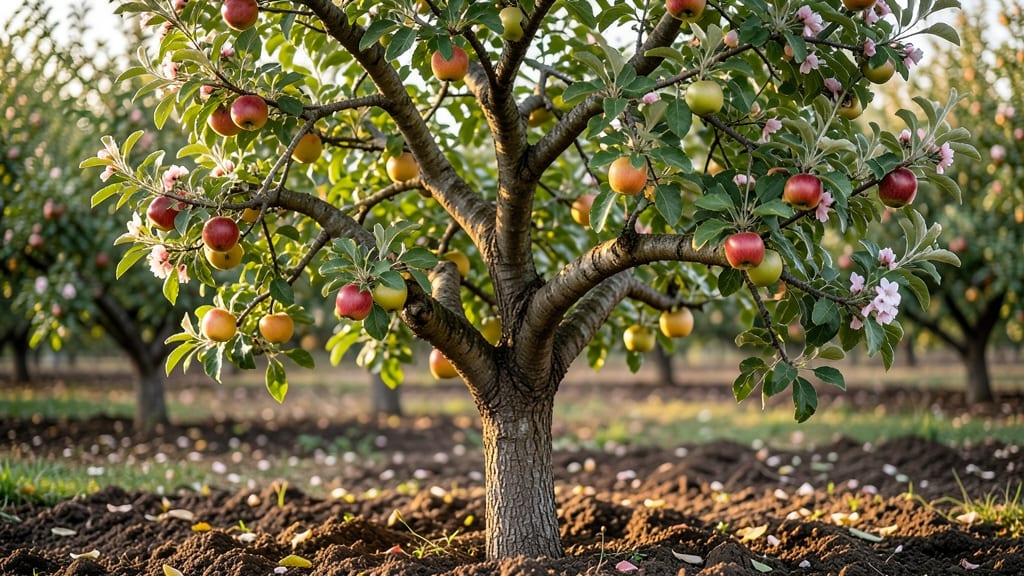
Yes, one apple tree can produce fruit, but it will naturally grow only a single variety unless you graft additional scions onto it. Some apple varieties are self-pollinating and can bear fruit alone, while others require cross-pollination from a different tree for proper fruit set. The quality and quantity of fruit depend heavily on the tree's genetics, pollination success, and ongoing care.
A single apple tree's fruit production depends entirely on its genetic makeup and pollination needs. 🌳 While some varieties like 'Golden Delicious' or 'Granny Smith' are self-fertile and can produce fruit without a second tree nearby, others like 'Honeycrisp' or 'Fuji' absolutely require cross-pollination from a different apple variety.
This is why commercial orchards often plant multiple compatible varieties together - to ensure consistent fruit yields. Even self-pollinating trees may produce smaller fruit sets if they don't receive adequate pollination from bees or wind.
The good news is that you can create a multi-variety apple tree through grafting techniques. By attaching different apple scions to the same rootstock, you can grow several varieties on one tree. This method lets you enjoy a diverse harvest from just one trunk space.
Just remember that each grafted variety may require slightly different growing conditions and care - so proper research is key to making your multi-variety tree thrive.
💡 In This Article
- How Apple Tree Pollination Affects Fruit Production
- Grafting Techniques to Grow Multiple Apple Varieties on One Tree
How apple tree pollination affects fruit production
The ability of an apple tree to produce fruit starts with its pollination requirements. Apple trees fall into two main categories: self-pollinating and cross-pollinating.
Self-fertile varieties like 'Golden Delicious' or 'Anna' can produce fruit when their flowers are pollinated by their own pollen, thanks to compatible pollen tubes that grow through the style to fertilize the ovules.
These trees typically develop fruit even when planted alone, though yields may be 20-30% lower without additional pollination sources.
Cross-pollinating varieties like 'Honeycrisp' or 'Gala' absolutely require pollen from a different apple tree to set fruit. This is because their pollen and stigma are genetically incompatible for self-fertilization.
Bees play a crucial role here, transferring pollen between trees within a 500-foot radius during the tree's bloom period (typically 7-14 days). Wind can also carry pollen, but it's far less efficient than bees.
Without proper cross-pollination, these trees may produce fewer than 5% of normal fruit, with any fruit that does form often being misshapen or small.
The pollination process begins when apple blossoms open in spring, revealing their reproductive structures. Each flower contains both male (pollen-producing) and female (ovule-containing) parts, but cross-pollinating varieties need genetically distinct pollen. After successful pollination, the fertilized ovules develop into seeds within the fruit.
The tree's genetics determine how many seeds each fruit will contain - typically 5-10 seeds per apple for most varieties, though some like 'Pink Lady' may have fewer.
Temperature and weather conditions during bloom significantly impact fruit set. Ideal pollination occurs when daytime temperatures stay between 55-75°F and there's sufficient bee activity. Rain during bloom can wash away pollen, while cold snaps (32°F or below) can damage blossoms entirely.
This is why commercial orchards often plant multiple compatible varieties together in 5-10 acre blocks - to ensure optimal pollination rates and consistent yields.
Even self-pollinating trees benefit from cross-pollination. Studies show that trees with additional pollination sources produce fruit that's 10-15% larger and with better color development. The presence of multiple apple varieties also increases bee traffic, creating a positive feedback loop that boosts overall orchard productivity.
This natural synergy explains why home orchards often see better results when planting two or more compatible varieties together.
Understanding your tree's pollination needs is the first step in maximizing its fruit production. Always check variety descriptions for pollination requirements before planting, and consider adding a compatible pollinator tree if your variety isn't self-fertile.
The right pollination strategy can transform a sparse harvest into a bountiful apple crop year after year. 🌿