
Size
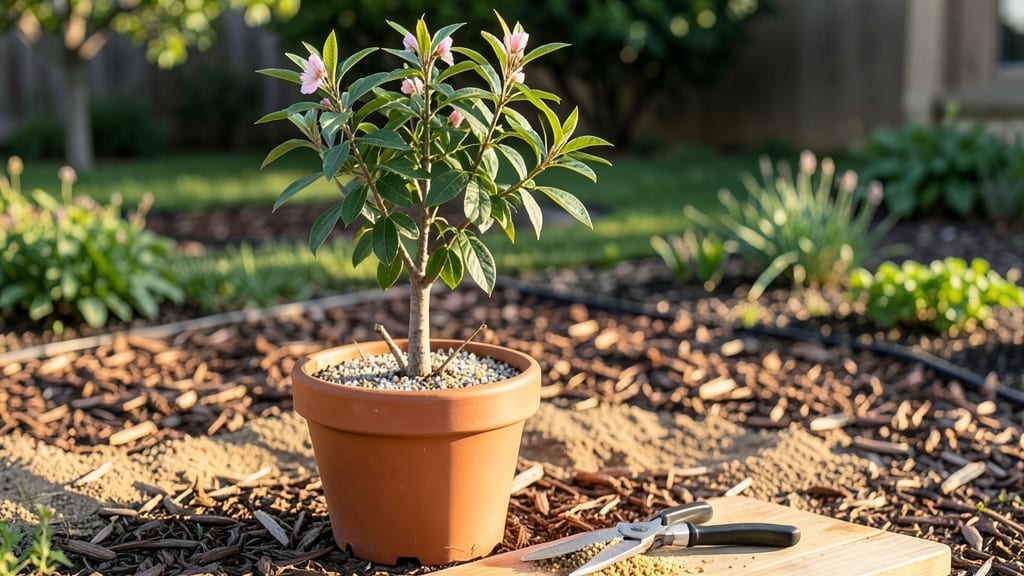
Growing almond trees at home isn’t just for orchards anymore—dwarf varieties make it possible even in small yards or containers. 🌱 I’ve watched my own Nonpareil tree produce nuts in just three years, and it’s all about choosing the right variety and giving it the right care from the start.
The key isn’t just patience; it’s knowing when to prune, how to water, and which soil will make those sweet kernels grow.
You’ll need a spot with full sun (6+ hours daily) and well-draining soil—almonds hate soggy roots. Dwarf varieties like ‘Nonpareil’ or ‘Texas’ stay under 10 feet tall, perfect for backyards or large pots.
Pollination is tricky since most almonds are self-incompatible, so planting two different varieties nearby (or hand-pollinating) is a must for fruit production. Even if you’re growing for ornamental value, the spring blossoms are worth the effort.
By summer, you’ll see the tree establish deep roots, and by year three, those first nuts will appear. The harvest is rewarding but requires timing—wait until the shells split naturally.
My tree now produces enough for roasting, and the neighbors keep asking for tips. The real magic? Watching those blossoms turn into edible treasure with just a little care.
Container growing works too—just use a 15-gallon pot and fertilize regularly. Cold winters? Mulch heavily or grow in pots you can move indoors. The payoff? Fresh almonds straight from your backyard, no grocery store in sight. Let’s get those trees planted!
📚 In This Guide
- What you need
- Instructions
- Tips and common mistakes
- Wrapping up and next steps
What you need
- ● Almond tree sapling: Choose a dwarf variety (e.g., 'Nonpareil,' 'Butte,' or 'Price') from a reputable nursery. Ensure it’s disease-resistant and well-suited to your climate zone.
- ● 5-gallon or larger container: Use a pot with drainage holes (12–18 inches in diameter for dwarf varieties). Terracotta or fabric pots work well.
- ● Well-draining potting mix: A blend of 50% cactus/succulent mix, 30% perlite or pumice, and 20% compost mimics almond trees’ natural dry soil.
- ● Slow-release fertilizer: A balanced 10-10-10 or low-nitrogen 8-3-9 formula designed for fruit trees. Apply at planting and again in early spring.
- ● Pruning shears: Sharp, bypass pruners (sterilized with rubbing alcohol) for shaping and maintaining the tree.
- ● Mulch: Wood chips or straw (2–3 inches thick) to retain moisture and regulate soil temperature.
- ● Drip irrigation system or watering can: Almond trees need deep but infrequent watering (1–2 gallons per week, more in extreme heat).
- ● Sunlight access: A south-facing window or outdoor space with 6+ hours of full sun daily (indoors may require grow lights).
- ○ Support stake (optional but helpful): A 3–4 ft bamboo stake and soft tree tie to secure young trees in windy areas.
- ● Soil moisture meter: Ensures you’re not over- or under-watering.
- ● Epsom salt: A tablespoon mixed into water monthly boosts magnesium for nut production.
- ● Pollination aid: If growing self-pollinating varieties, hand-pollinate with a soft paintbrush in early spring.
- ● Frost cloth: Protects young trees from late frosts (below 28°F).
- ● Compost tea: A weekly foliar spray enhances nutrient uptake.
Step-by-step guide to growing dwarf almond trees at home
Here's how I've successfully nurtured productive almond trees in small yards—no orchard required.
🌱 Step 1: Select the Right Dwarf Variety and Planting Site
Choose a self-pollinating dwarf variety like 'Nonpareil' or 'Butte' that matures at 10-15 feet tall—perfect for suburban spaces. Almonds need full sun (8+ hours daily) and well-draining soil with a pH of 6.0-7.5. I always test my soil first because almonds hate soggy roots.
Pick a sheltered spot protected from strong winds, which can damage blossoms. The tree needs at least 6 feet of space in all directions to develop properly. If your soil drains poorly, amend with 3-4 inches of coarse sand or gravel mixed into the top 12 inches of soil before planting.
🪴 Step 2: Plant at the Correct Depth and Time
Plant your 1-3 year old bare-root tree in late fall or early winter while the tree is dormant. Dig a hole twice as wide as the root ball but only as deep—the top of the root flare should sit 1-2 inches above ground level. This prevents water from pooling around the trunk.
Spread the roots gently without bending them, then backfill with native soil mixed with compost (use 1/3 of the hole's volume). Water deeply until the soil settles, then add 2-3 inches of mulch (keep it 6 inches away from the trunk). I use wood chips because they break down slowly and improve soil structure over time.
☀️ Step 3: Provide Consistent Water and Nutrients
Water deeply once a week during the first year, soaking the root zone to 18 inches deep. You'll know it's enough when water runs out the drainage holes if planted in a container. After establishment, water every 2-3 weeks unless your area experiences drought. Almonds are drought-tolerant but produce better with steady moisture.
Fertilize in early spring with 10-10-10 granular fertilizer (use 1/2 cup per year of tree age). I avoid high-nitrogen fertilizers—they encourage leafy growth at the expense of nut production. Instead, I focus on potassium and phosphorus to support flowering and fruiting.
✂️ Step 4: Prune for Shape and Fruit Production
Prune in late winter before buds swell to remove dead, crossing, or inward-growing branches. I aim for an open-center shape that allows sunlight to reach the center of the tree. Cut back to buds facing outward to encourage air circulation and reduce disease risk.
Thin out excessive blossoms in early spring to leave one bloom per cluster. This ensures the tree puts energy into developing larger, higher-quality nuts rather than producing too many small ones. Never prune during wet weather—this increases the risk of bacterial infections.
🌿 Step 5: Protect and Harvest Your Almonds
Watch for navel orangeworm in late summer—these pests lay eggs in developing nuts. I wrap the tree trunk with sticky bands in June to trap emerging adults. If you see hollow nuts or webbing, treat with kaolin clay as a natural barrier.
Harvest when the outer hull turns brown and splits open (usually late summer to early fall). I shake the tree gently over a tarp to collect the nuts, then dry them in a well-ventilated area for 2-3 weeks before cracking. Store unprocessed nuts in the fridge for up to 6 months or freeze for longer storage.
Tips & tricks for growing almond trees in small spaces
These practical insights will help you nurture a thriving almond tree even in limited garden space.
Variety Selection: When choosing between 'Nonpareil' and 'Butte', consider your climate. 'Nonpareil' thrives in warmer regions, while 'Butte' handles cooler temperatures better. Both are self-pollinating, but if you're in a windy area, consider adding a second tree for cross-pollination—just 6 feet apart is all you need. The dwarf varieties are perfect for containers too, provided they get full sun and proper drainage.
Soil Preparation: That 6.0-7.5 pH range is critical—test your soil before amending. If your soil is heavy clay, mix in 3-4 inches of coarse sand or gravel down to 12 inches deep. For containers, use a blend of 60% potting mix, 20% perlite, and 20% compost to mimic well-draining soil. I've seen almond trees fail spectacularly in soggy soil, so don't skip this step.
Planting Depth: The root flare should sit 1-2 inches above ground level—this prevents water from pooling around the trunk. If you're planting in a container, use a pot with drainage holes and a diameter at least 18 inches wider than the root ball. The extra space gives roots room to grow without becoming root-bound. I've had to replant trees that were buried too deep, and it's a painful lesson.
Pruning Strategy: When thinning blossoms in early spring, aim to leave one bloom per cluster—this isn't just about quantity, it's about quality. The tree will produce fewer but significantly larger, higher-quality nuts. Use sharp pruning shears and make cuts just above outward-facing buds. I always prune on a dry day to minimize disease risk, and I never prune when rain is forecasted.
Pro Tips for Grow Almond Tree At Home
- These practical insights will help you nurture a thriving almond tree even in limited garden space.
- Variety Selection: When choosing between 'Nonpareil' and 'Butte', consider your climate.
- Soil Preparation: That 6.0-7.5 pH range is critical—test your soil before amending.
Frequently asked questions
Got questions about growing almond trees at home? You’re not alone! Here are answers to some of the most common queries to help you navigate your almond-growing journey with confidence.
Can I grow an almond tree in a pot?
Yes! Dwarf almond varieties (like Nonpareil or Butte) thrive in containers with at least 15–25 gallons of soil. Use a well-draining mix and a pot with drainage holes. Just remember: they’ll need full sun (6+ hours/day) and regular watering. Move pots indoors or to a sheltered spot if winter temps drop below 10°F (-12°C).
How long does it take for an almond tree to bear fruit?
Patience is key! Most almond trees take 3–5 years to produce nuts, even with ideal care. Dwarf varieties may fruit slightly faster (2–4 years), but they still need cross-pollination (plant at least two compatible trees). Young trees focus on root and branch growth first—don’t rush them!
What’s the best way to pollinate an almond tree at home?
Almonds are self-unfruitful, so you’ll need two trees of different varieties that bloom at the same time (e.g., Nonpareil + Carmel). If bees aren’t visiting, use a soft paintbrush to transfer pollen from one tree’s flowers to another’s in the morning when flowers are open. Pro tip: Plant near other fruit trees to attract pollinators!
How do I protect my almond tree in winter?
Almond trees hate frost! If you’re in USDA Zones 5–7, wrap the trunk with burlap or tree wrap and mulch the base with 4–6 inches of straw or wood chips. For potted trees, move them to a garage or insulated shed before temps drop below 20°F (-7°C). Young trees are especially vulnerable—consider a frost cloth for extra protection.
Why aren’t my almond tree’s leaves turning green?
Yellow or pale leaves often signal nutrient deficiencies (like nitrogen or magnesium) or over/under-watering. Check the soil—it should stay moist but not soggy. Fertilize in early spring with a balanced 10-10-10 formula or a citrus-specific blend. Pest alert: Spider mites or aphids can also cause discoloration—spray with neem oil if you spot them.
Wrapping up and next steps
Growing your own almond tree at home is a rewarding journey—especially with dwarf varieties perfect for small spaces! 🌱 Whether you're a beginner or a seasoned gardener, patience and care will yield sweet, crunchy rewards in just a few years.
Start with the right tools, choose a sunny spot, and nurture your tree with love.
Now that you’re armed with the know-how, take the next step—plant your almond tree this season! Watch it thrive, and soon, you’ll be harvesting homegrown almonds (or at least enjoying its beauty). Happy growing! 🌿