
Propagation
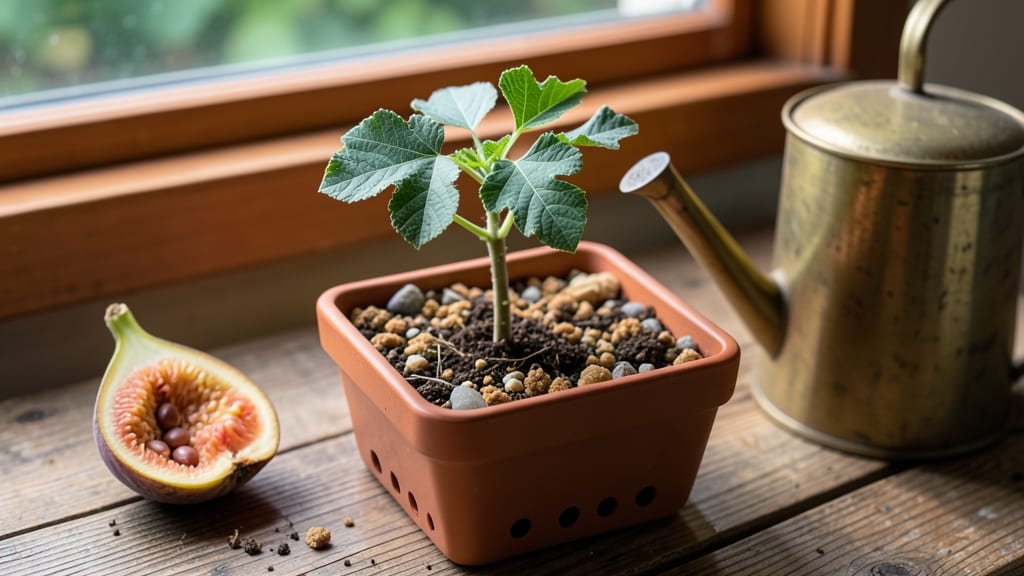
Growing a fig tree from a fig is easier than you think—no fancy equipment or green thumb required. 🌱 I’ve turned store-bought figs into thriving trees using just a few household items and a little patience. The key?
Picking the right fig and knowing whether to grow it from seed or a cutting. Most people assume you need a nursery tree, but figs propagate surprisingly well from fresh fruit.
Whether you choose the seed method (slower but sturdy) or the cutting method (faster but needs a mature fig), both work with basic supplies. I’ll show you exactly how to do both—plus the best spots in your yard for maximum growth.
By the end, you’ll have a hardy young tree ready to produce its own figs in just a few seasons. The best part? You’ll save money and enjoy the satisfaction of growing something from scratch. Let’s get those figs growing!
First, you’ll need a ripe fig (the riper, the better) and a few simple supplies: a sharp knife, a small pot, well-draining soil mix, and a spray bottle. For the seed method, scoop out the seeds, rinse them clean, and plant them about ½ inch deep in moist soil.
If you’re using a cutting, take a 4-6 inch piece from a mature fig branch and dip it in rooting hormone before planting. Figs thrive in full sun and well-draining soil, so choose a spot with at least 6-8 hours of sunlight daily.
Water gently to keep the soil moist but not soggy—overwatering is the #1 killer of young fig trees. I’ve learned the hard way that patience is key; germination can take 2-4 weeks for seeds, while cuttings may root in just 3-6 weeks.
Once your little tree sprouts, it’ll need consistent care to grow strong. Keep an eye out for yellowing leaves (a sign of overwatering) or slow growth (often due to poor drainage). With the right conditions, your fig tree will reward you with sweet, homegrown fruit in no time!
📚 In This Guide
- What you need
- Instructions
- Tips and common mistakes
- Wrapping up and next steps
What you need
- ● 1 ripe fig – Choose a fresh, organic fig with a stem (preferably from a healthy tree).
- ● 1 small pot (4-6 inches wide) – Use a container with drainage holes to prevent root rot.
- ● Well-draining potting mix – A blend of cactus/succulent soil or a mix of 50% potting soil + 50% perlite/sand works best.
- ○ Rooting hormone (optional but recommended) – Speeds up root growth and improves success rates.
- ● Spray bottle with water – For gentle misting to keep the fig moist.
- ● Plastic wrap or humidity dome – Helps maintain moisture while roots develop.
- ● Rubbing alcohol or hydrogen peroxide (3%) – To sterilize tools and prevent infection.
- ● Scissors or pruning shears – Sharp and clean for cutting the fig stem.
- ● Permanent marker – To label your pot (if propagating multiple figs).
- ○ Heat mat (optional) – Speeds up rooting by keeping the soil warm (70-75°F is ideal).
- ● Grow lights (if indoors) – Ensures your cutting gets enough light before transplanting.
- ● Fertilizer (balanced, low-nitrogen) – Use sparingly after roots establish (e.g., 10-10-10 diluted to half strength).
- ● Mulch (for outdoor planting later) – Helps retain moisture and regulate soil temperature.
Step-by-step instructions for propagating a fig tree from a fresh fig
Here's my foolproof method for turning a store-bought fig into a thriving young tree.
🌱 Step 1: Select and Prepare Your Fig
Pick a fresh, firm fig that's just starting to ripen—it should be slightly soft to the touch but not mushy. Look for one with a visible stem (the "eye") still attached. This stem is your future tree's root system waiting to happen.
Wash the fig gently under cool water to remove any wax or residue. Pat dry with a paper towel—moisture on the skin can encourage rot before roots even form. The key here is working with a fig that's ripe enough to sprout but still firm enough to survive the process.
🌿 Step 2: Plant the Fig in Moist Growing Medium
Fill a small pot (at least 4 inches deep) with a mix of 50% potting soil and 50% perlite or coarse sand. This blend drains well while holding enough moisture for root development. Moisten the mix until it feels like a damp sponge—squeeze it gently, and a few drops should form but not drip.
Place the fig on top of the soil, stem-side down. Press it lightly so the stem touches the soil but doesn't sink in. The top of the fig should remain exposed—this is where your new leaves will emerge. Cover the pot loosely with plastic wrap to maintain humidity, but leave a small gap for airflow.
☀️ Step 3: Provide Warmth and Indirect Light
Set the pot in a warm spot with bright, indirect light—think east-facing window or under grow lights. Figs need warmth to root, so aim for 70-75°F during the day. A sunny windowsill can work, but direct midday sun may overheat the soil and dry out the fig too quickly.
Keep the soil consistently moist by misting lightly every 2-3 days or when the top inch feels dry. You'll know you're doing it right when you see tiny white roots forming around the stem's base in about 4-6 weeks. Patience is key here—don't disturb the fig to check for roots too soon.
🪴 Step 4: Transplant and Care for Your New Tree
Once you see 2-3 inches of healthy roots and new leaves starting to form on top of the fig, it's time to transplant. Gently remove the fig from its starter pot and place it in a slightly larger container (about 6 inches deep) with regular potting soil mixed with perlite.
Water thoroughly after transplanting, then place your new fig tree in a spot with 6+ hours of sunlight daily. Over the next few months, you'll see the fig develop into a proper tree with a trunk and branches. Prune any leggy growth to encourage bushier development, and fertilize lightly in spring with a balanced organic fertilizer.
Tips & tricks for propagating a fig tree from a fresh fig
Real talk: turning a fig into a tree is easier than you think—once you know these little secrets that make all the difference.
Selection Matters: That stem (the "eye") is your golden ticket, so don't skip checking for one. If it's missing or shriveled, your fig won't root. I've tried this with figs from grocery stores, farmers' markets, and even my own garden—just make sure it's firm to the touch but not rock-hard. A fig that's too soft will rot before roots form, while one that's too firm might not be ripe enough to sprout.
Soil Mix is Non-Negotiable: That 50/50 blend of potting soil and perlite isn't just arbitrary—it's the perfect balance for fig roots. The perlite prevents soggy soil while still holding moisture, which is crucial during those first 4-6 weeks. Pro tip: if you don't have perlite, coarse sand works too, but avoid fine sand that can compact and suffocate roots.
Humidity Hack: That plastic wrap isn't just decoration—it creates a mini greenhouse effect that keeps the soil moist and the air humid, which figs love. Just remember to leave a tiny gap for airflow, or you'll risk mold. I like to use clear wrap so I can peek at my progress without disturbing the setup. You'll know it's working when you see condensation forming on the inside.
Patience Pays Off: Those 4-6 weeks until roots appear might feel like forever, but resisting the urge to check too soon is key. I've learned this the hard way—disturbing the fig before roots form can shock it and delay growth. Instead, wait until you see tiny white roots peeking out around the stem base. Trust me, the wait is worth it when you see that first new leaf!
Pro Tips for Grow A Fig Tree From A Fig
- Real talk: turning a fig into a tree is easier than you think—once you know these little secrets that make all the difference.
- Selection Matters: That stem (the "eye") is your golden ticket, so don't skip checking for one.
- Soil Mix is Non-Negotiable: That 50/50 blend of potting soil and perlite isn't just arbitrary—it's the perfect balance for fig roots.
Frequently asked questions
Got questions about growing a fig tree from a fig? You’re not alone! Here are some of the most common queries—plus clear, no-fuss answers to help you propagate like a pro.
Can you grow a fig tree from any fig you buy at the store?
Not all store-bought figs will work! Look for organic or heirloom varieties—especially those labeled as "tree-ripened." Conventionally grown figs may have been treated with growth inhibitors or pesticides, which can hinder rooting. If unsure, opt for figs from a local nursery or farmers' market that specializes in fruit trees.
How long does it take for a fig cutting to root and grow?
Patience is key! With the right conditions (warmth, humidity, and consistent moisture), your cutting should sprout roots in 4–8 weeks. Once rooted, it may take 6–12 months to produce its first leaves and another 2–3 years before it bears fruit. Speed up growth by keeping it in bright, indirect light and fertilizing lightly every few months.
What if my fig cutting rots or develops mold?
Rot or mold usually means too much moisture or poor airflow. If you spot black spots, soft stems, or a foul smell, act fast:
- Trim away mushy areas with clean scissors.
- Let the cutting dry for 1–2 hours before replanting in fresh, sterile soil.
- Reduce watering and ensure the pot has drainage holes.
- Increase airflow by placing a small fan nearby (gentle breeze helps!).
Can I grow a fig tree indoors year-round?
Yes, but with caveats! Fig trees thrive outdoors in USDA zones 7–10, but you can keep one indoors if you mimic their natural environment:
- Place near a south-facing window (or use grow lights).
- Keep temperatures between 60–85°F—avoid drafts or cold windows.
- Move it outside during spring/summer for better growth.
- Watch for pests like spider mites (common indoors) and treat with neem oil if needed.
Are there easier alternatives to propagating a fig tree?
If cuttings feel tricky, try these low-maintenance methods:
- Air Layering: Encourage roots to form on a branch while still attached to the parent tree, then cut and plant. Works well for mature figs!
- Grafting: Combine a fig cutting with a hardy rootstock for faster, hardier growth (best for advanced gardeners).
- Buy a Potted Sapling: Nurseries sell young fig trees ready to plant—just pop it in the ground or a large container.
Wrapping up and next steps
Growing a fig tree from a single fig is a rewarding journey that combines patience, care, and a little green thumb magic! 🌱 With the right tools and steps—like selecting a ripe fig, preparing the cutting, and nurturing your new plant—you’ll soon be watching roots sprout and a tiny tree take shape.
Remember, even if it takes time, every gardener starts somewhere, and your effort will soon bear fruit (literally!).
Now that you’re armed with knowledge, why not take the next step? Try propagating your own fig tree this season and share the joy with friends or family. Happy growing—and may your garden flourish! 🌿✨