
How To
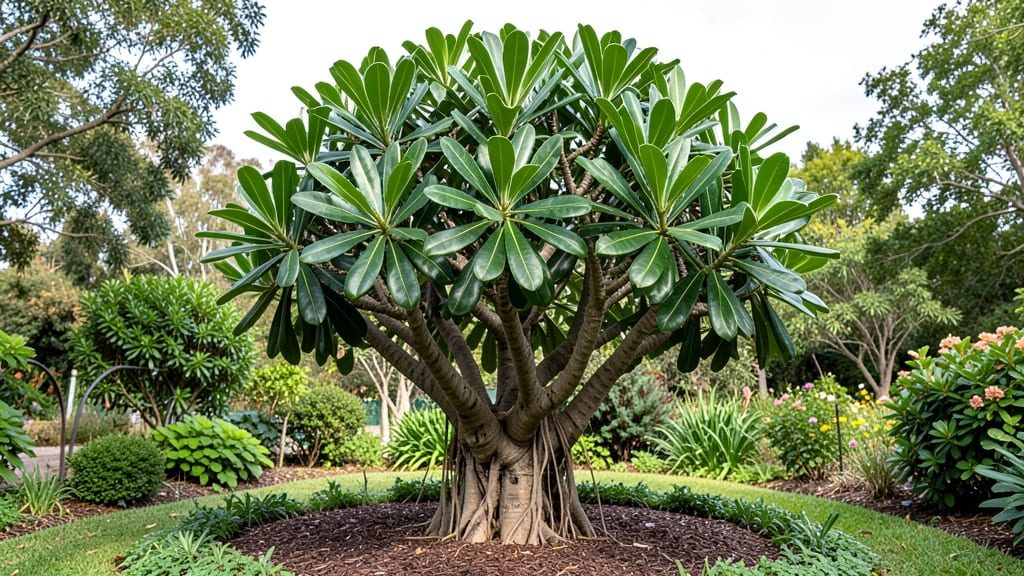
A money tree 🌿 can grow between 3 and 10 feet tall indoors, depending on its variety and care—far taller than most people expect for a houseplant.
Wondering why your money tree seems to be growing at a snail’s pace—or shooting up like a jungle giant? The height of your money tree isn’t just about luck; it’s a science tied to its variety, care, and even your home’s environment.
Some varieties stay compact at just 3–5 feet, perfect for small spaces, while others reach 6–10 feet if left unchecked. The key to controlling its growth lies in light, pruning, and pot size—all factors you can adjust to shape your plant’s future.
Below, I’ll break down the exact height ranges for common money tree varieties, how to slow rapid growth, and when to let it stretch toward the ceiling.


Money tree height limits by variety: how tall each type can grow indoors
Your money tree (Pachira aquatica) isn’t just a pretty face—its height is directly tied to its variety and growing conditions. Some varieties stay compact enough for a desk, while others can reach ceiling heights indoors.
The key lies in understanding each type’s natural growth potential and how to manage it through pruning and care.
Most money trees belong to the Pachira genus, with Pachira aquatica being the most common. However, you’ll also find Pachira glabra and Pachira insignis, each with distinct height profiles.
Even within the same species, dwarf varieties exist that stay under 5 feet, while standard types can tower over 8 feet indoors.
If you’re growing a standard Pachira aquatica, expect it to reach 6–10 feet indoors over 3–5 years. These varieties thrive when given space and proper care, but their height can be managed with strategic pruning.
The key is to trim just above a leaf node to encourage lateral branching, which creates a fuller, bushier plant rather than a single tall stalk.
For those with limited space, dwarf Pachira aquatica varieties are ideal. These stay between 3–5 feet tall, making them perfect for apartments or offices. The trade-off?
They may grow slightly slower than their taller counterparts. Pachira glabra, another popular choice, typically maxes out at 5–7 feet and has a more elegant, slender growth habit.
Don’t overlook Pachira insignis, which often gets overlooked but offers a dense, multi-trunk appearance. Its height range of 4–6 feet makes it versatile for both small and medium spaces. The secret to keeping it compact? Regular pruning to shape its growth early on.
Hybrid varieties, often labeled simply as "Money Tree" in nurseries, can vary widely in height—anywhere from 3–8 feet. Their growth depends heavily on light exposure and pot size. Smaller pots naturally restrict root growth, which can slow height increases, while larger containers encourage taller growth.
One common misconception is that money trees grow indiscriminately tall without intervention. In reality, their height is highly influenced by pruning habits. If left unchecked, even dwarf varieties can stretch toward the ceiling. The solution? Prune in early spring to control height and shape your plant intentionally.
For the best results, pair your pruning routine with bright, indirect light. Money trees grow fastest under 4–6 hours of morning sun, which fuels their upward growth.
If your plant is stretching toward a window, it’s a sign it needs more light—or a pruning session to encourage bushier growth.
Pro tip: If you want a shorter money tree, avoid over-fertilizing. Too much nitrogen promotes rapid vertical growth, while a balanced fertilizer (like 10-10-10) encourages proportionate growth in both height and width. Rotate your plant occasionally to ensure even light exposure, which prevents lopsided growth patterns.
🌿
5 Key factors that control money tree growth height (and how to adjust them)
Your money tree’s height isn’t set in stone—it’s shaped by five adjustable factors that respond to simple tweaks. Whether you’re dealing with a skyrocketing sapling or a stunted underachiever, understanding these controls lets you steer its growth like a pro.
Let’s break down the science behind your money tree’s vertical ambitions and how to fine-tune its trajectory.
First, recognize that light exposure acts as the growth accelerator. Too little light slows growth, but direct sun can cause leggy, weak stems. The sweet spot? Bright indirect light for 4-6 hours daily—think east-facing windows or a few feet from a south window with sheer curtains.
If your tree stretches toward the light, it’s begging for more illumination. Move it closer or add a grow light for 6-8 hours a day to keep it compact and sturdy.
- Light Exposure: Bright indirect light (4-6 hrs) = compact growth; low light = slow, leggy growth. Use grow lights if natural light is insufficient.
- Watering Schedule: Overwatering = rapid, weak growth; underwatering = stunted growth. Water when top 1-2 inches of soil are dry.
- Pot Size: Root-bound pots = faster growth; oversized pots = slower growth. Repot every 2-3 years in a pot just 1-2 inches larger.
- Humidity Levels: Low humidity (<40%) = slower growth; high humidity (50-60%) = lush, faster growth. Use a humidifier or pebble tray.
- Seasonal Care: Spring/summer = active growth (feed monthly); fall/winter = dormancy (reduce water/fertilizer). Prune in late winter to control height.
Next, your watering schedule plays a sneaky role in height control. Money trees thrive on a consistent moisture balance—not soggy soil, not bone-dry dirt. Overwatering sends nutrients straight to the top, fueling rapid (but weak) vertical growth.
To slow things down, let the top 1-2 inches of soil dry out between waterings. In winter, cut back to every 2-3 weeks to mimic dormancy and curb height spikes.
Don’t overlook the power of pot size. A cramped root system forces your money tree to focus on height, while a too-large pot slows growth as roots struggle to reach the soil. The golden rule?
Repot every 2-3 years into a container that’s only 1-2 inches wider than the current one. Pro tip: If you want a shorter tree, choose a wider, shallower pot to encourage bushier growth.
Humidity levels might seem minor, but they’re a growth game-changer. Money trees hail from tropical rainforests, where humidity hovers around 50-60%. In dry indoor air (<40%), growth slows dramatically.
Boost humidity with a pebble tray (fill a tray with water and pebbles, place the pot on top) or a humidifier nearby. Watch as your tree responds with lush leaves and steady growth—no more stunted branches!
Finally, seasonal care dictates your money tree’s growth calendar. During spring and summer, it’s in full growth mode—feed it with a balanced fertilizer every 4-6 weeks to fuel height. But in fall and winter, growth slows naturally.
Reduce watering and skip fertilizer entirely. This dormancy period is your chance to prune for height control—trim back leggy stems in late winter to shape the tree for the next growing season.