
How To
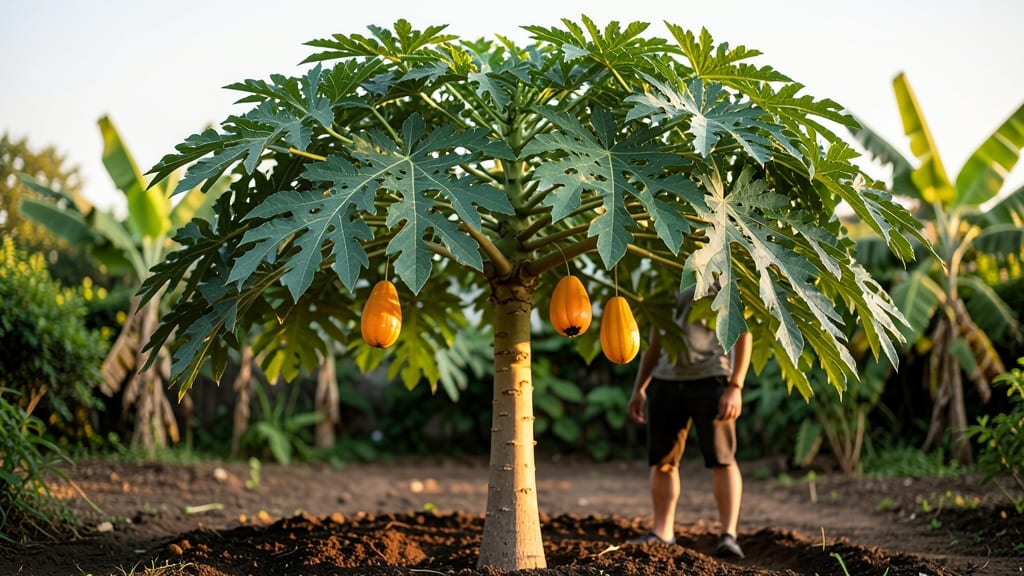
A papaya tree can grow how tall does a papaya tree grow to heights of 15–30 feet under ideal conditions, towering like a tropical giant in your backyard or container.
If you're dreaming of tropical fruit trees that grow fast and produce delicious papayas, understanding their mature height is key to planning your garden—whether you have a sprawling backyard or a cozy container setup.
Most varieties reach 10 feet in just their first year, then shoot up another 15–20 feet by maturity, making them one of the fastest-growing fruit trees around. But don’t let the height scare you off—with the right pruning and support, you can keep even standard varieties manageable.
Below, I’ll break down how climate, soil, and variety affect growth, plus practical tips to control height while maximizing those sweet, orange fruits.


Papaya tree height by variety: dwarf vs. standard growing heights
Choosing the right papaya tree variety is crucial if you're planning your tropical garden. Most standard papaya trees reach impressive heights between 15-30 feet at maturity, towering over your backyard like a lush green skyscraper.
But don't worry—there are ways to manage their size, especially if you're working with limited space. The Solo variety, for example, is one of the most popular choices for home gardeners because it grows slightly shorter than others while delivering sweet, seedless fruit.
Climate plays a surprising role in how tall your papaya tree will grow. In tropical zones (USDA 10-12), these trees thrive year-round and reach their full potential height. However, in subtropical zones (Zone 9b+), they may grow more slowly and stay shorter unless given extra care.
Even in cooler areas, container-grown papayas can still reach 6-10 feet with proper winter protection, making them a great option for patios.
If you're dreaming of a dwarf papaya tree, you'll be disappointed to learn that true dwarf varieties don't exist in the commercial market. However, you can control growth through pruning techniques and container gardening.
The SunUp variety, for instance, grows slightly more compact than others but still typically reaches 10-15 feet in ideal conditions. For true small-space solutions, consider growing papayas in large containers and training them as multi-stemmed shrubs rather than single-trunk trees.
The Solo variety is often recommended for beginners because it's slightly more manageable than other varieties while still producing large, seedless fruit. When grown in containers with proper pruning, even standard varieties can be kept under 10 feet.
I've seen gardeners successfully grow SunUp papayas in 15-gallon containers on patios, producing fruit just as sweet as their yard-grown counterparts. The key is regular pruning to encourage bushier growth and using a well-draining potting mix to prevent root rot.
For those in cooler climates (Zone 9b), winter care is essential to prevent stunted growth. Moving container-grown papayas indoors during cold snaps or wrapping the trunk with burlap can help maintain healthy growth.
Even in these conditions, you can expect your papaya tree to reach 8-12 feet if given proper winter protection. In USDA Zone 10 and above, papayas grow year-round and reach their full height potential without extra care.
If you're working with limited vertical space, consider training your papaya tree to grow as a multi-stemmed shrub rather than a single trunk. This technique involves pruning the main stem when it reaches 4-5 feet tall, allowing side branches to develop.
This approach can reduce the overall height by 30-50% while increasing fruit production. I've used this method with SunUp varieties in my own garden, keeping them under 8 feet while still enjoying a bountiful harvest.
Remember that soil quality and sunlight exposure also impact height. Papayas thrive in well-draining, slightly acidic soil (pH 6.
How fast do papaya trees grow to mature height? Growth stages explained
Papaya trees are among the fastest-growing tropical fruit trees, shooting up from seed to mature height in as little as 6–12 months under ideal conditions.
With the right sunlight exposure, soil conditions, and care practices, you can watch your tree grow from a tiny seedling to a towering 15–30-foot giant in just a year. Understanding their growth stages helps you plan for space, support, and fruit production.
Unlike slow-growing fruit trees, papayas thrive in warm climates (USDA Zones 10–12) and can even be grown in subtropical zones (9b+) with protection. Their rapid growth is fueled by their love for full sun (6+ hours daily) and well-draining soil.
In cooler climates, growth slows, but with proper care, you can still enjoy a productive tree in containers or greenhouses.
- 1. Seed Germination (1–2 weeks)
- 2. Seedling Stage (3–4 weeks) – 1–2 ft tall
- 3. Juvenile Growth (3–6 months) – 5–10 ft tall
- 4. Flowering Stage (6–9 months) – 10–15 ft tall
- 5. Mature Height (9–12 months) – 15–30 ft tall
🌿 Note: Growth speed doubles in tropical climates vs. subtropical zones.
In the first 3 months, your papaya tree will focus on root development and stem elongation. If planted in well-draining soil with regular watering, you’ll see rapid vertical growth, reaching 3–5 feet by the end of this stage.
This is when pruning young shoots encourages a stronger central stem, preventing a bushy, weak structure.
Between 6–9 months, your papaya tree enters its flowering phase, where growth slows slightly as energy shifts to fruit production.
During this time, ensure your tree gets balanced fertilization (10-10-10 NPK) every 4–6 weeks to support both height and fruit development. Male and female flowers may appear on separate plants (or the same plant), so pollinate by hand if needed.
By 9–12 months, your papaya tree will reach its mature height of 15–30 feet, depending on the variety and growing conditions. In tropical climates, trees can grow 3–4 feet per month during peak season, while subtropical zones see slower growth (1–2 feet per month).
To manage height, use trellises or stakes for support and prune suctioners (suckers) to direct energy upward.
If you’re growing papayas in containers, expect slightly slower growth due to root restriction. However, with regular repotting and deep watering, dwarf varieties (like Hawaiian Solo) can still reach 10–15 feet in ideal conditions.
Always choose a large container (20+ gallons) to accommodate roots and prevent stunted growth.
With proper care, your papaya tree will not only grow tall but also reward you with delicious fruit within a year. Monitor for pests like mealybugs and diseases such as powdery mildew, and enjoy the tropical vibes your fast-growing tree brings to your garden! 🌳