
How To
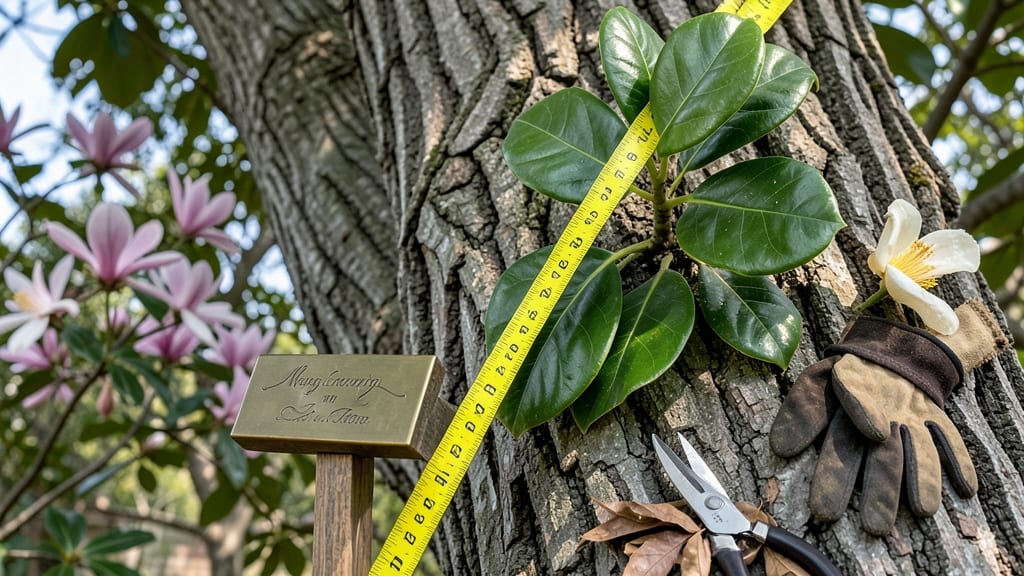
A magnolia tree can grow how tall does a magnolia tree grow anywhere from 10 feet to towering 80 feet, depending on the species and growing conditions.
If you're dreaming of a majestic magnolia tree in your yard, knowing its potential height can help you plan space, sunlight, and long-term care—before you plant a seed or sapling.
Some varieties, like the Southern Magnolia, reach heights of 60-80 feet, while dwarf options such as 'Little Gem' stay under 12 feet. Climate, soil quality, and pruning habits all play a role in how tall your 🌳 will grow.
Below, I break down the fastest-growing cultivars, how to choose the right one for your space, and tips to keep it thriving for decades.


Magnolia tree height guide: fastest-growing cultivars and their maximum sizes
Choosing a magnolia tree for your yard means balancing beauty with space—some varieties grow taller than a three-story building, while others stay compact enough for small gardens.
The Southern Magnolia (Magnolia grandiflora) is famous for its towering height, but faster-growing cultivars like Little Gem or Ann Magnolia offer big impact in less space. Understanding these height variations helps you pick the perfect tree for your landscape design.
Magnolia trees grow at different rates, with some reaching maturity in 10–15 years and others taking decades. The fastest-growing varieties gain 1–2 feet per year in ideal conditions, while slower growers like the Evergreen Magnolia may take 20+ years to reach full height.
Your climate, soil quality, and sunlight exposure all play critical roles in how quickly—and how tall—your magnolia will grow.
Key factors like USDA Hardiness Zones (6–10 for most magnolias) and pruning habits can influence height. For example, Saucer Magnolias (Magnolia × soulangeana) thrive in zones 4–9 and grow 20–30 feet tall with proper care. Meanwhile, dwarf magnolias like 'Little Gem' stay under 12 feet, making them ideal for urban yards or container gardening.
If you’re planting near power lines or fences, dwarf or semi-dwarf varieties like 'Little Gem' or 'Ann' are excellent choices. These trees grow 1–2 feet per year and stay under 25 feet tall, making them perfect for tight spaces.
For maximum shade or privacy, the Southern Magnolia or Saucer Magnolia deliver dramatic results but require ample yard space and regular pruning to manage height.
Proper planting location is critical—magnolias need well-draining soil and 6+ hours of sunlight daily to reach their full potential height. In shady or poorly drained areas, growth slows significantly, and the tree may become prone to disease.
Amend clay soil with compost or sand to improve drainage and encourage faster, healthier growth.
For fastest growth, focus on these care tips: water deeply once a week during dry spells, apply a balanced fertilizer (like 5-10-10) in early spring, and mulch around the base to retain moisture.
Prune in late winter or early spring to shape the tree and encourage upward growth. Avoid heavy pruning, as it can stunt height over time.
One common mistake gardeners make is underestimating root space. Magnolia roots spread 2–3 times wider than the tree’s height, so plant at least 10–15 feet away from structures or other plants. For example, a 30-foot-tall Saucer Magnolia needs 50+ feet of clearance for its roots to thrive without competition.
If you’re unsure which magnolia fits your space, start with a smaller variety like 'Little Gem' or 'Teddy Bear' to test your soil and climate. Once established, you can always graft or transplant a faster-growing cultivar later.
Remember, magnolias are long-lived trees—some live 100+ years—so choose wisely based on your yard’s current and future layout.
For quick shade solutions, prioritize 'Ann Magnolia' or 'Black Tulip',
How tall can a Magnolia tree grow in different climates? Regional height variations explained
Magnolia trees are stunning additions to any landscape, but their mature height can vary dramatically depending on your USDA hardiness zone and the specific variety you choose.
In warmer climates like Zones 8-10, Southern Magnolias (Magnolia grandiflora) can soar to 60-80 feet tall, while in colder regions like Zones 4-6, species like Star Magnolia (Magnolia stellata) typically max out around 15-25 feet.
Understanding these variations helps you select the perfect tree for your yard's space and climate.
Climate plays a crucial role in magnolia growth. Southern varieties thrive in heat but may struggle in freezing winters, while northern varieties adapt better to cold but may grow slower in warmer zones.
For example, the Little Gem® magnolia, a popular dwarf variety, stays compact at 8-12 feet tall regardless of zone, making it ideal for small yards. Meanwhile, Saucer Magnolias in Zone 5 can reach 20-30 feet with proper care.
⚠️ WARNING: Climate Mismatches Can Stunt Growth or Kill Your Tree Choosing the wrong magnolia for your zone is a common mistake that leads to poor growth or even tree death.
For instance, planting a Southern Magnolia in Zone 4 risks winter damage, while a Star Magnolia in Zone 10 may struggle with excessive heat. Always check the USDA zone recommendations for your specific variety before planting.
Even well-established trees can suffer if transplanted to an unsuitable climate, so research is key to long-term success.
Pruning is another critical factor in controlling height. Dwarf varieties like 'Black Tulip' or 'Jane' naturally stay small, but even standard magnolias can be pruned to manage size. For example, topping a young tree annually can reduce its eventual height by 20-30%.
However, avoid heavy pruning in late summer or fall, as this can stress the tree and reduce flowering. Instead, prune in late winter or early spring before new growth begins.
Soil quality and sunlight also influence height. Magnolias in rich, well-draining soil with partial shade often grow taller and healthier than those in poor soil or full sun.
In Zone 7-9, for example, a Saucer Magnolia might reach 30 feet tall with ideal conditions, while the same tree in compacted clay soil may only grow to 15-20 feet. Amending soil with compost and ensuring proper drainage can make a significant difference in growth potential.
If you're in a small urban yard or suburban space, consider semi-dwarf varieties like 'Ann' or 'Elizabeth' magnolias, which typically grow 15-25 feet tall. These varieties offer the beauty of magnolias without overwhelming your landscape.
For larger properties, standard varieties like Sweet Bay Magnolia or Kadampa Magnolia can reach 40-60 feet, providing dramatic shade and year-round interest.
Remember, even the tallest magnolias start small. A 1-year-old sapling is only 1-2 feet tall, so give your tree time to establish before expecting rapid growth. With the right variety, climate, and care, your magnolia can become a century-old giant—or a perfectly proportioned small tree—depending on your vision.
Start planning now to ensure your magnolia thrives for decades to come! 🌳