
How To
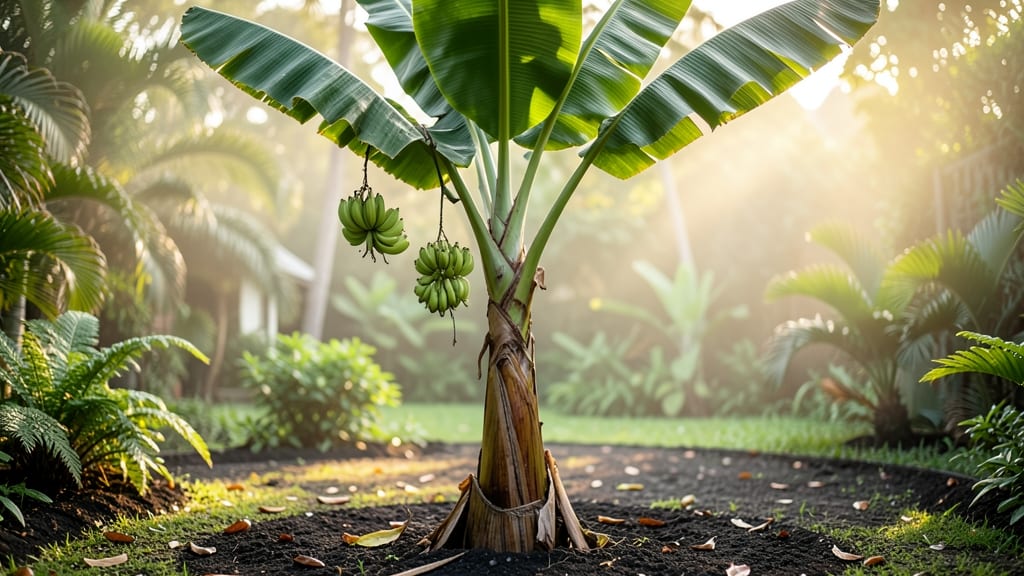
A banana tree grows anywhere from how tall does a banana tree grow—ranging from 8 feet to towering 30 feet—depending on the variety and growing conditions, so yes, it can outpace your two-story house if you choose the wrong one.
If you’ve ever dreamed of harvesting your own bananas but wondered whether a banana tree will dwarf your backyard—or thrive in a pot—you’re not alone.
The height of a 🍌 banana tree can vary wildly depending on the variety, climate, and growing conditions, making it a critical question for any gardener.
Dwarf varieties like the Cavendish stay compact at 8–12 feet, perfect for containers or small spaces, while giants like the Red Dacca can shoot up to 25–30 feet in ideal tropical climates. Even in cooler zones (like 9b–11), with the right care, you can coax a 15–20-foot specimen.
Below, I break down the exact heights by variety, how to control growth in limited spaces, and the climate tricks that keep your banana tree from becoming an unruly giant—because yes, you can grow one without sacrificing your yard (or your sanity).


Banana tree height by variety: from dwarf to towering giants
Banana trees are famous for their dramatic height, but not all varieties reach skyscraper proportions. The Dwarf Cavendish, for example, stays compact enough for containers, while Red Dacca varieties can soar over 25 feet—taller than a two-story house.
Understanding these differences helps you choose the right variety for your space, whether you have a backyard oasis or just a sunny patio.
Height isn’t just about aesthetics—it impacts fruit production, wind resistance, and even harvesting ease. Some dwarf varieties produce smaller bunches but mature faster, while giant types yield larger harvests but need more space.
Below, I’ve broken down the most popular varieties by their mature height, growth habits, and ideal spacing for home gardens.
Pro Tip: Always check your local USDA hardiness zone—some "dwarf" varieties may still struggle in cooler climates. For example, Lady Finger bananas thrive in zones 9-11 but may only reach 10 feet in ideal conditions, while Plantains can handle slightly cooler zones but grow taller.
| Variety | Mature Height | Growth Rate | Ideal Spacing | Best For |
|---|---|---|---|---|
| Dwarf Cavendish | 8–12 ft | Moderate (6–12 months to first fruit) | 6–8 ft apart | Containers, small gardens, urban yards |
| Lady Finger (Ice Cream) | 10–15 ft | Fast (4–8 months to first fruit) | 8–10 ft apart | Tropical climates, patios, decorative landscaping |
| Red Dacca | 20–25 ft | Slow to moderate (12–18 months) | 12–15 ft apart | Large gardens, tropical landscapes |
| Plantain (Horn) | 15–20 ft | Moderate (8–12 months) | 10–12 ft apart | Subtropical zones, food production |
| Blue Java | 12–18 ft | Moderate (6–12 months) | 8–10 ft apart | Containers (with support), small farms |
| Silk (Chinese Banana) | 10–14 ft | Fast (3–6 months) | 6–8 ft apart | Cold-hardy zones (9b+), ornamental use |
If you’re growing bananas in containers, stick to dwarf varieties like Dwarf Cavendish or Blue Java. Even these can reach 8–12 feet, but pruning the pseudostem (the "trunk") and using a large pot (20+ gallons) can keep them more manageable.
For ground planting, always leave at least 8 feet of space between trees to avoid root competition and improve air circulation.
One common mistake is assuming all banana trees grow equally tall. Lady Finger bananas, for instance, are often marketed as "dwarf," but they can still hit 15 feet in ideal conditions.
Meanwhile, Red Dacca varieties are true giants, needing 20+ feet of vertical space. Always check the variety’s growth habit—some produce multiple stalks (like Plantains), which can double their width.
For small-space gardening, consider pruning techniques like removing old fruit stalks (called hands) to redirect energy into the pseudostem. This won’t stunt height permanently but can make the tree more compact and bushier
How climate zones affect banana tree growth and maximum height
Banana trees thrive in warm climates, but their maximum height and survival depend heavily on your USDA hardiness zone. In tropical zones like 11-12, banana trees can reach 20–30 feet, while in cooler subtropical zones like 9–10, they may stay shorter or require winter protection.
Understanding your climate’s impact helps you choose the right variety and care for your tree’s growth potential.
Tropical climates (zones 10–11) offer ideal conditions for banana trees, allowing them to grow tall and fruit abundantly year-round. However, in subtropical zones (8–9), temperature swings and frost risk can stunt growth or kill the plant entirely.
Cold-hardy varieties like Red Dacca or Bluggoe are better suited for these areas, often reaching 10–15 feet with proper care.
In tropical zones (10–11), banana trees grow aggressively, reaching their full height potential of 20–30 feet within 2–3 years. These conditions also allow for year-round fruiting, making them ideal for home gardens in Florida, Hawaii, or Puerto Rico.
However, even in these zones, afternoon shade can prevent leaf scorch and extend the tree’s lifespan.
For subtropical zones (8–9), like parts of California or Texas, banana trees still grow tall but may enter dormancy in winter. Pruning back dead leaves and mulching the base can help them survive light frosts (down to 25°F).
Varieties like Red Dacca are prized here for their cold tolerance and ability to regrow from the rhizome after frost damage.
In cooler zones (7–8), banana trees are a high-risk, high-reward project. Most varieties won’t survive winter outdoors, but you can grow dwarf varieties in containers and move them indoors during cold months. Even then, expect limited height (6–10 feet) and fewer fruits.
If you’re determined to grow bananas in these zones, focus on microclimates, like south-facing walls or greenhouses, to extend the growing season.
Regardless of your zone, consistent moisture and well-draining soil are non-negotiable for banana trees. In hot climates, mulch heavily to retain moisture, while in cooler zones, use winter mulch to insulate roots.
With the right variety and care, even a small backyard can host a banana tree—just adjust your expectations based on your climate! 🌱