
How To
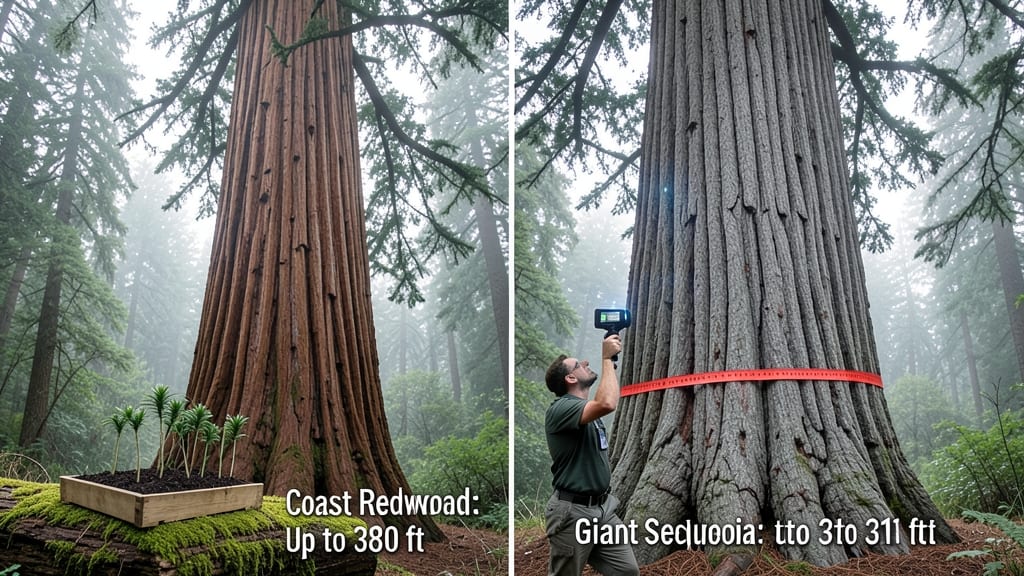
A sequoia tree can grow how tall—its towering heights dwarf even the tallest skyscrapers, with some reaching over 300 feet and trunks wider than a car is long.
Standing taller than most skyscrapers, sequoias are nature’s giants—but just how high can these legendary trees climb? The answer depends on species, climate, and growing conditions, with some reaching heights that defy imagination.
If you’ve ever dreamed of planting a tree that could one day tower over your neighborhood, understanding the factors that influence their growth is key.
From the foggy coasts of California to the high-altitude forests of the Sierra Nevada, these trees thrive in specific conditions that push them toward their record-breaking stature.
In this guide, we’ll explore the maximum heights of sequoia species, the environmental factors that shape their growth, and whether you can cultivate one of these giants in your own backyard.


Maximum heights of sequoia species: coast redwood vs giant sequoia records
When I think of towering giants in the plant kingdom, coast redwoods (Sequoia sempervirens) and giant sequoias (Sequoiadendron giganteum) immediately come to mind.
Both species belong to the Cupressaceae family but hold distinct records for height, with their growth shaped by climate, elevation, and soil conditions. Understanding their maximum heights helps gardeners appreciate these ancient trees—and sets realistic expectations for those dreaming of cultivating them.
The tallest trees on Earth aren’t just a few feet taller than their peers—they’re skyscraper-defying giants. Coast redwoods, native to California’s foggy coastlines, can stretch over 370 feet, while giant sequoias, thriving in the Sierra Nevada’s high elevations, reach 275 feet at their peak.
These aren’t just numbers; they’re a testament to nature’s ability to create living monuments.
| Species | Record Height (ft) | Average Mature Height (ft) | Growth Rate (ft/year) | Native Habitat |
|---|---|---|---|---|
| Coast Redwood (Sequoia sempervirens) | 379.7 (Hyperion) | 200–250 | 2–3 (young), 1–2 (mature) | California coast (foggy, mild winters) |
| Giant Sequoia (Sequoiadendron giganteum) | 275 (General Sherman) | 150–200 | 1–2 (young), <0.5 (mature) | Sierra Nevada (high elevation, cold winters) |
The Hyperion coast redwood, discovered in 2006, holds the world record for tallest tree at 379.7 feet. This towering specimen dwarfs the General Sherman giant sequoia, the largest tree by volume, which stands at 275 feet but boasts a 52,500 cubic-foot trunk.
While coast redwoods grow faster—especially in their youth—their height advantage comes from their foggy, coastal climate, which provides consistent moisture without extreme temperature swings.
Giant sequoias, on the other hand, grow wider rather than taller, with their massive trunks designed to store water and nutrients. Their slower growth rate—often just 1 foot per year in maturity—means they take centuries to reach their full height.
In contrast, coast redwoods can grow 3–4 feet per year when young, thanks to their high humidity and nutrient-rich soils.
One key factor in their height is elevation and temperature. Coast redwoods thrive in lowland fog belts, where cool, moist air condenses on their needles, providing a natural irrigation system.
Giant sequoias, however, prefer high-elevation sites (5,000–8,000 feet), where cooler temperatures slow their growth but also reduce pest pressures. This environmental trade-off explains why giant sequoias live longer—some exceed 3,000 years—while coast redwoods typically reach 1,200–2,000 years.
For gardeners curious about cultivating these living legends, it’s critical to note that neither species will reach record heights in a backyard. However, coast redwoods are slightly more adaptable to cooler maritime climates, while giant sequoias demand cold winters and well-draining soils.
Even in ideal conditions, homegrown sequoias will max out at 60–100 feet over centuries—a humbling but rewarding reminder of nature’s scale.
If you’re dreaming of growing a sequoia, focus on young tree care: deep watering, acidic soil (pH 5.0–7.0), and protection from winter winds. Patience is key—these trees grow slowly, but with the right conditions, they’ll reward you with centuries of growth and grandeur. 🌲
Beyond their height, sequoias offer ecological and aesthetic benefits, from providing carbon sequestration to creating shade for wildlife. Whether you’re admiring them in a national park or nurturing a sapling in your garden, these trees remind us that some of nature’s most impressive feats take time. ⏳
The next time you see a sequoia, take a moment to imagine its ancient roots and the decades of growth that shaped its towering form. Their records aren’t just about height—they’re about resilience, adaptation, and the quiet power of patience in the plant kingdom. 🌿
What determines a sequoia’s height: climate, soil, and care factors
A sequoia's maximum height isn't just luck—it's a mix of genetics, climate, and care. These towering trees thrive where conditions align perfectly, like cool coastal fog or mountain valleys. Understanding these factors helps gardeners optimize growth, even for smaller-scale cultivation.
The two main species—coast redwoods and giant sequoias—respond differently to their environments. While both need abundant water and rich soil, their ideal climates vary. Elevation, temperature, and even microclimates play critical roles in pushing them toward record-breaking heights.
| Factor | Impact on Height | Optimal Conditions |
|---|---|---|
| Climate | Determines growth rate; cooler temps slow early growth but extend lifespan | 50-70°F avg. temps, high humidity |
| Elevation | Higher elevations reduce height potential due to thinner air | Sea level to 2,000 ft (coast redwoods) |
| Water Availability | Drought stunts growth; consistent moisture fuels rapid height gain | 60+ inches annual rainfall or irrigation |
| Soil Composition | Poor drainage or nutrient deficiency limits height potential | Deep, acidic, well-draining soil (pH 5.0-7.0) |
| Sunlight Exposure | Full sun maximizes photosynthesis for vertical growth | 6+ hours direct sunlight daily |
Coast redwoods (Sequoia sempervirens) reach their greatest heights in foggy coastal climates, where moisture lingers in the air. The tallest recorded specimen, Hyperion, stands at 379.7 feet—thanks to ideal conditions in California's Redwood National Park. Meanwhile, giant sequoias (Sequoiadendron giganteum) thrive in mountain valleys with cooler nights and abundant rainfall.
For gardeners cultivating sequoias, soil quality is non-negotiable. These trees demand deep, nutrient-rich soil with excellent drainage. Amending clay soil with compost and sand mimics their natural forest floor. Mulching with wood chips retains moisture and regulates temperature, mimicking their native forest conditions.
Even with perfect conditions, patience is key. Young sequoias grow 1-2 feet per year, but mature trees can add 3 feet annually under ideal circumstances.
Pruning isn't recommended for height—it focuses on removing dead branches and maintaining structural integrity. Instead, focus on watering deeply and providing consistent care.
While most gardeners won't grow a 300-foot sequoia, optimizing these factors can yield a healthy, fast-growing specimen that still reaches 50-100 feet in ideal conditions. The key is replicating their natural habitat as closely as possible—whether through microclimates or container cultivation for smaller spaces. 🌲