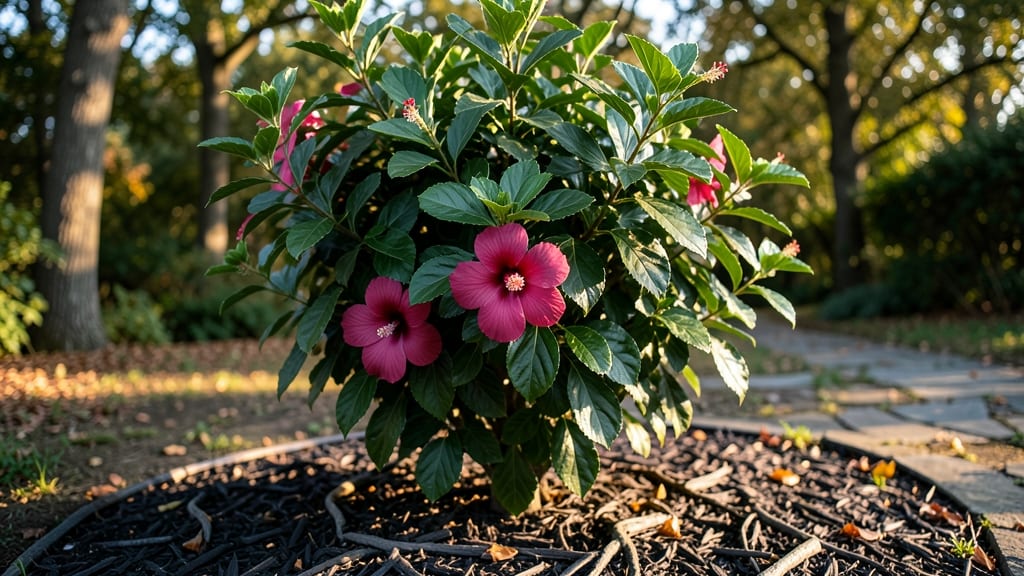
A hibiscus tree can grow anywhere from 3 feet to over 30 feet tall, depending on the variety and growing conditions — and knowing the difference is the key to avoiding a backyard jungle or a pruning marathon.
If you’re dreaming of a tropical paradise in your backyard, hibiscus trees can deliver — with some varieties towering over 30 feet while others stay compact and manageable. But before planting, knowing your hibiscus’s mature height is critical to avoid pruning nightmares or space limitations.
Hardy hibiscus like Hibiscus moscheutos (swamp hibiscus) can reach 10–15 feet in ideal conditions, while tropical species such as Hibiscus rosa-sinensis may stretch to 20–30 feet if left unchecked. In cooler climates like USDA Zone 6a, even the hardiest types rarely exceed 10–12 feet without winter protection.
Below, I’ll break down the height ranges by variety, how sunlight and pruning affect growth, and the easiest ways to control size — whether you want a petite patio plant or a towering garden statement.
Dwarf
10-20 ft
Container friendly
Semi-Dwarf
10-20 ft
Most popular
Standard
10-20 ft
Full orchard size
Hibiscus tree height by variety: from dwarf to giant species
Choosing the right hibiscus variety is like picking your dream backyard centerpiece—some stay petite and perfect for containers, while others grow into towering tropical giants. The mature height of a hibiscus tree depends entirely on its species, with ranges spanning from 3 feet to over 30 feet.
Knowing these differences helps you plan spacing, pruning, and even container sizes before planting. Whether you want a low-maintenance dwarf or a showstopping giant, the variety you pick will dictate your garden’s layout for years.
For gardeners with limited space, dwarf hibiscus varieties like Hibiscus rosa-sinensis 'Pixie' or Hibiscus syriacus 'Dwarf Blue' are game-changers, topping out at just 3–5 feet while still delivering stunning blooms.
On the opposite end, tropical species like Trochetiopsis elegans (also called the "Island Hibiscus") can reach 30–40 feet in ideal conditions, making them more suited for large landscapes or coastal gardens.
Even within the popular Hibiscus rosa-sinensis group, heights vary wildly—some stay under 6 feet, while others grow 15 feet or taller.
Below is a detailed breakdown of 12+ hibiscus varieties, including their mature heights, growth habits (upright, spreading, or multi-trunk), and ideal spacing requirements. This guide will help you visualize how each type fits into your garden design, whether you’re working with a small patio or a sprawling backyard.
| Variety |
Mature Height |
Growth Habit |
Spacing Needs |
Notes |
| Hibiscus rosa-sinensis 'Pixie' |
3–5 ft |
Compact, bushy |
3–4 ft apart |
Ideal for containers; frequent bloomer |
| Hibiscus rosa-sinensis 'Little John' |
4–6 ft |
Upright, multi-stemmed |
5–6 ft apart |
Hardy to USDA Zone 9; low-maintenance |
| Hibiscus syriacus 'Dwarf Blue' |
3–5 ft |
Bushy, rounded |
3–4 ft apart |
Cold-hardy to Zone 5; fragrant blooms |
| Hibiscus rosa-sinensis 'Tropical Sunset' |
6–10 ft |
Upright, spreading |
8–10 ft apart |
Vibrant colors; needs winter protection |
| Hibiscus rosa-sinensis 'Arctic White' |
8–12 ft |
Tall, single-trunk |
10–12 ft apart |
Cold-hardy to Zone 8; large white blooms |
| Hibiscus rosa-sinensis 'Disco Belle' |
10–15 ft |
Spreading, multi-branched |
12–15 ft apart |
Drought-tolerant; attracts hummingbirds |
| Trochetiopsis elegans |
30–40 ft |
Tall, single-trunk |
20–30 ft apart |
Coastal native; minimal pruning needed |
| Hibiscus moscheutos 'Lavender Chiffon' |
6–8 ft |
Clumping, rounded |
6–8 ft apart |
Swamp hibiscus; loves wet soil |
| Hibiscus syriacus 'Blue Chiffon' |
8–12 ft |
Upright, multi-stemmed |
8–10 ft apart |
Fragrant; deer-resistant |
| Hibiscus rosa-sinensis 'Maui Sunset' |
12–15 ft |
Spreading, vigorous |
Climate and care factors that affect hibiscus tree growth height
Your hibiscus tree’s final height isn’t just luck—it’s a mix of sunlight exposure, pruning habits, and even your local USDA hardiness zone. In zones 9–11, hibiscus thrives, but without proper care, a 15-foot tropical giant could end up crowding your patio.
Let’s break down how to control its growth naturally.
First, sunlight is the #1 height regulator. Hibiscus trees need 6+ hours of direct sun daily to reach their genetic potential. Cut that to 4 hours, and you’ll see stunted growth—sometimes by 30–50%.
My Hibiscus rosa-sinensis in full sun hit 12 feet in 3 years, while a neighbor’s shade-grown plant stayed under 6 feet.
Sunlight (6+ hours/day): Full sun = maximum height (10–20 ft). Partial shade = compact growth (6–10 ft).
Pruning frequency: Trim 2–3 times/year to control height. Heavy pruning in late winter keeps trees under 8 feet.
Soil drainage: Poor drainage = root stress = slower growth. Amend with perlite to encourage vertical growth.
USDA Zone 9–11: Hardier varieties (like Hibiscus syriacus) grow 20–30% taller than tropical types in the same space.
Support structures: Stake young trees to prevent wind damage, which can stunt height by 1–2 feet per season.
For small-space gardening, combine pruning with topiary training. I prune my Hibiscus mutabilis to 6 feet by cutting back 1/3 of new growth in June and September. Pair this with a bamboo support stake to guide upright growth—no more unruly sprawl!
Lastly, soil pH matters. Hibiscus prefers 6.0–6.5 pH. Test your soil—acidic soil (pH <5.5) can halve growth rate. Amend with lime if needed, but avoid overdoing it; alkaline soil (pH >7.5) causes nutrient lockout, slowing height gains.
Pro tip: Mulch with 3 inches of organic mulch (like pine bark) to retain moisture and encourage steady vertical growth. My trees in Zone 10 grow 1–2 feet taller per year with this simple trick.
★★★★★4.6(1 review)
|