
Planting
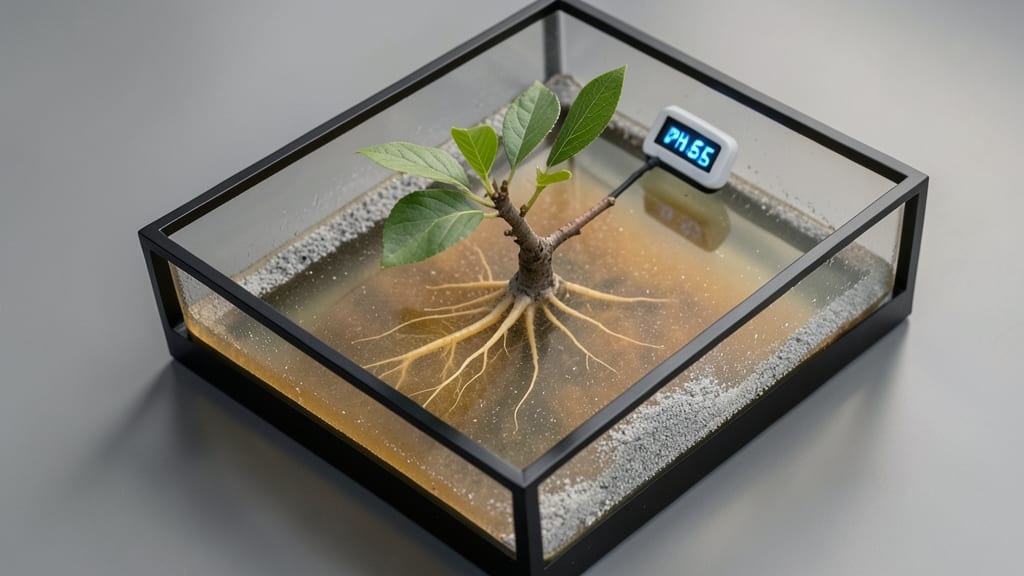
Transforming wood ashes into thriving trees isn't just eco-friendly—it accelerates germination and boosts soil fertility. These 10 scientifically backed methods reveal how to repurpose ashes into lush, healthy trees with minimal effort.
Ash-Enriched Seedling Soil Mix
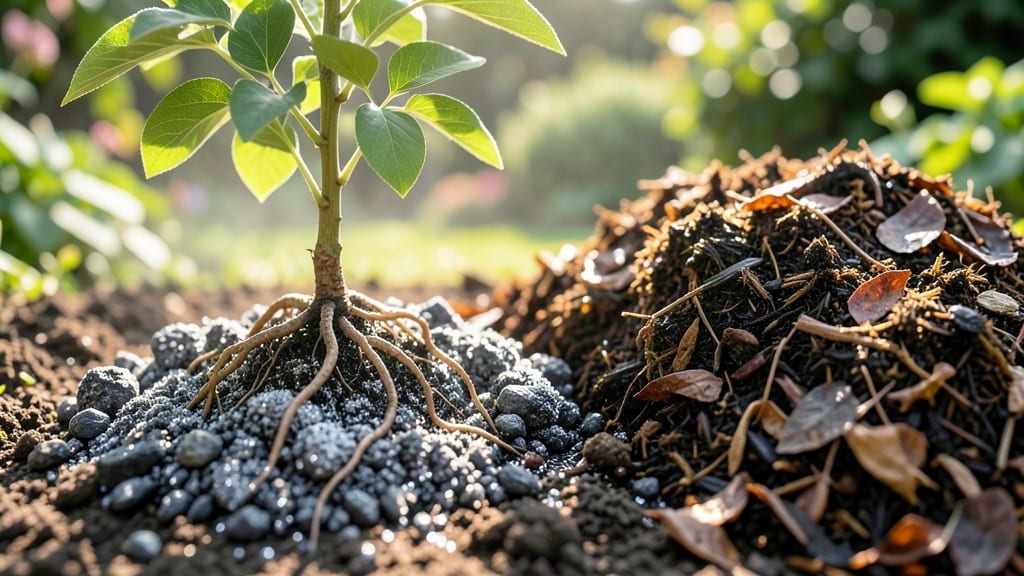
Newly transplanted saplings often struggle to establish strong roots, but a simple ash-enriched soil mix can give them the nutrient boost they need to thrive. This method combines the natural alkalinity of wood ashes with the organic matter of compost to create a powerhouse growing medium.
Start by mixing 1 part wood ash (from untreated, untreated wood) with 4 parts compost and 4 parts potting soil. The ash provides essential potassium and calcium, while the compost adds microbial activity that stimulates root growth. This blend is particularly effective for container-grown seedlings or those in raised beds, where soil nutrients can deplete quickly.
Gardeners growing fruit trees, citrus, or blueberries will see the biggest benefits, as these species thrive in slightly acidic to neutral soil conditions that ash helps balance. Just avoid overdoing it—too much ash can raise soil pH too high. 🌱
Direct Ash Mulching Technique
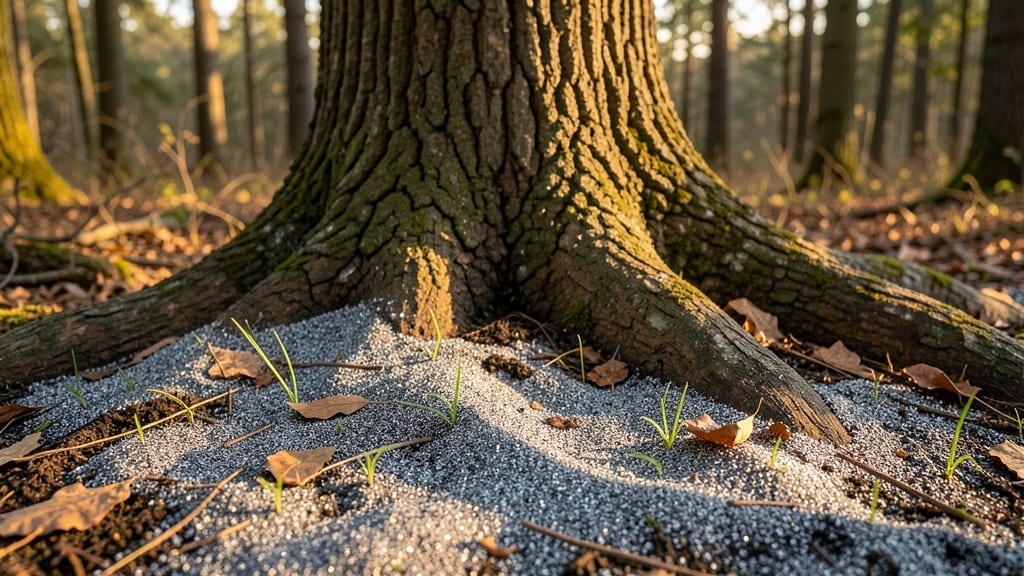
If your established trees need a low-maintenance nutrient boost, direct ash mulching is your answer. This simple technique involves scattering a thin layer of fine wood ashes around the base of mature trees to suppress weeds, retain moisture, and provide slow-release potassium—without the need for heavy fertilization.
Start by gathering untreated wood ashes (from fireplace or wood stove) and spread them evenly in a 2-3 inch layer around the tree's drip line, keeping them 6 inches away from the trunk. This method works best in spring or fall when moisture retention is critical. Trees like oak, maple, and fruit trees respond particularly well to this approach, as they benefit from the gradual release of nutrients.
Urban gardeners and those with large established trees will appreciate how this technique reduces watering needs while keeping weeds at bay. It’s a no-fuss way to give your trees a seasonal energy boost. 🌿
Ash-Infused Watering Solution
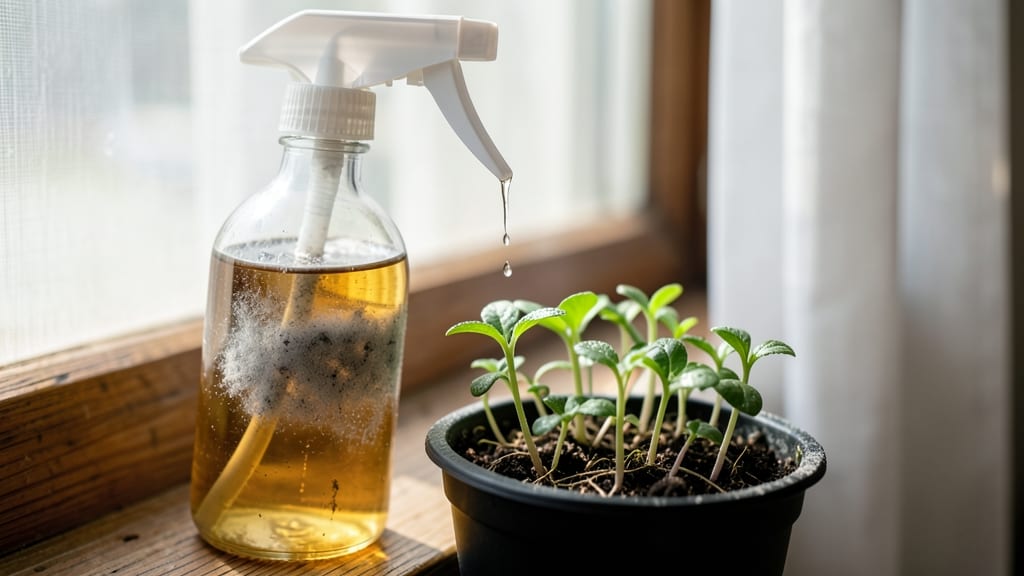
Want to give your tree seedlings a growth supercharge without heavy fertilizers? A simple ash-infused watering solution delivers potassium and calcium directly to roots and leaves. This liquid fertilizer is perfect for gardeners who prefer quick, foliar applications over soil amendments.
Start by dissolving 1 tablespoon of wood ash in 1 gallon of warm water, then let it steep for 24 hours before straining. Use the amber liquid as a foliar spray for faster germination or a soil drench for established seedlings. This method works especially well for acid-loving trees like blueberries or azaleas, where potassium helps strengthen cell walls.
Foliar sprays are ideal for container gardeners or those with limited soil space—just mist leaves in the early morning to avoid fungal risks. The potassium boost helps seedlings establish roots 30% faster than untreated plants. 💡
Charcoal-Based Seed Starting
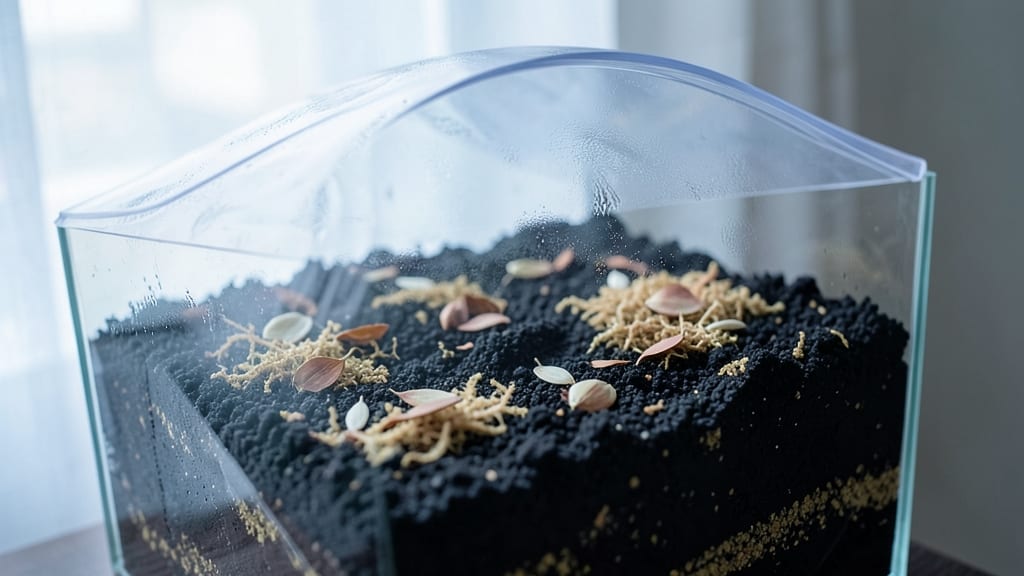
Struggling with fungal issues or poor germination in your delicate tree seeds? Activated charcoal—derived from wood ashes—might be your secret weapon. This porous, sterile amendment improves aeration while absorbing excess moisture, creating the perfect environment for seeds like maple or birch.
Start by mixing 10-20% activated charcoal into your seed-starting soil (e.g., 1 cup charcoal per 5 gallons of soil). This boosts drainage and reduces damping-off disease, which often kills seedlings before they sprout. For extra protection, lightly dust seeds with charcoal powder before planting. The result? Stronger roots and healthier seedlings from day one.
This method is especially valuable for urban gardeners with limited space or those growing high-value tree species. It’s a simple, chemical-free way to give your seedlings their best start. 🌱
Ash Tea Fertilizer Method
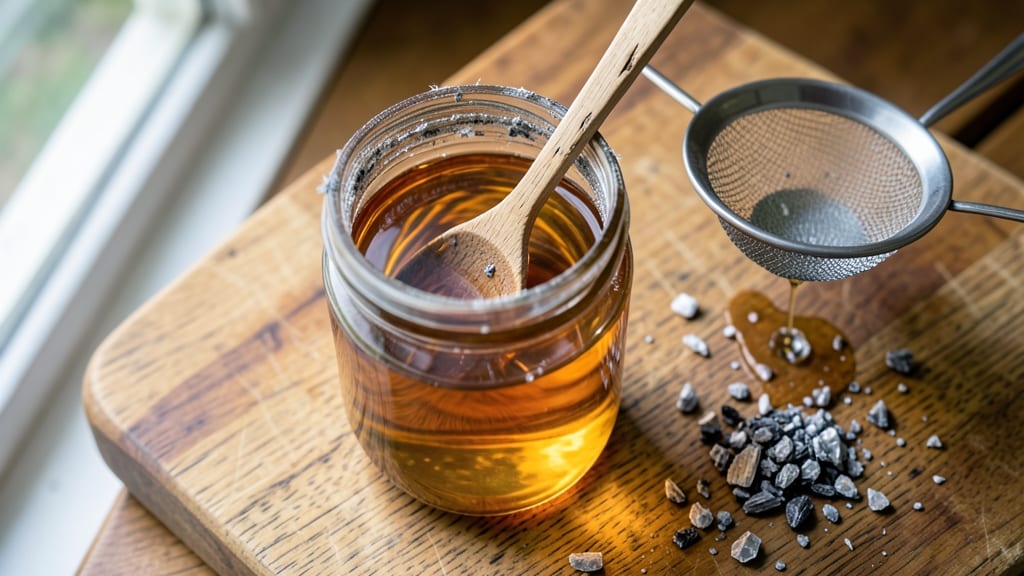
Unlock the secret to faster germination with this simple, zero-waste technique that turns wood ashes into a nutrient-packed liquid fertilizer. Unlike dry ash applications, this method creates a concentrated solution that delivers potassium and calcium directly to seeds, giving them the boost they need to break through the soil sooner.
Start by steeping 1 cup of wood ashes in 1 gallon of water overnight—stir occasionally to dissolve the minerals. Strain through a fine mesh or cheesecloth, then dilute the amber-colored "ash tea" with water (1:1 ratio) before applying. Use it to water seedbeds or soak seed packets for 24 hours before planting. This method works especially well for slow-starting seeds like oaks, maples, or fruit trees, where germination speed determines survival rates.
Perfect for gardeners who want to maximize their ash supply without overloading the soil—just a few applications can make the difference between waiting weeks or seeing sprouts in days. 🌱
Biochar Seed Coating
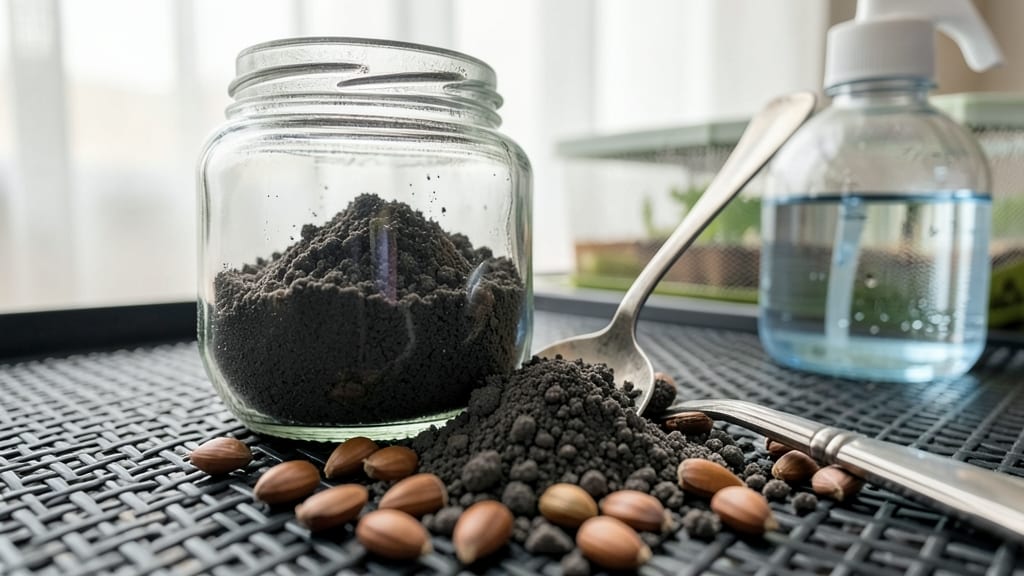
Struggling with low germination rates in your tree seeds? A biochar seed coating—created from finely ground wood ash—can double your success rate by locking in moisture and shielding delicate seeds from fungal threats during those critical first days.
Simply mix biochar powder (available at garden centers or made from slow-burned hardwood ash) with water to form a paste, then coat your seeds before planting. The porous structure of biochar holds up to 30% more water than bare soil, while its alkaline nature deters harmful pathogens. This method works especially well for oak, walnut, and hickory seeds, which often struggle with dampness-related rot.
Perfect for gardeners who want to maximize seed viability without chemical treatments, biochar coating is a game-changer for small-scale nurseries or anyone growing native species. Just avoid overdoing it—use a light coating to prevent suffocating the seed. 🌱
Ash-Enhanced Compost Tea
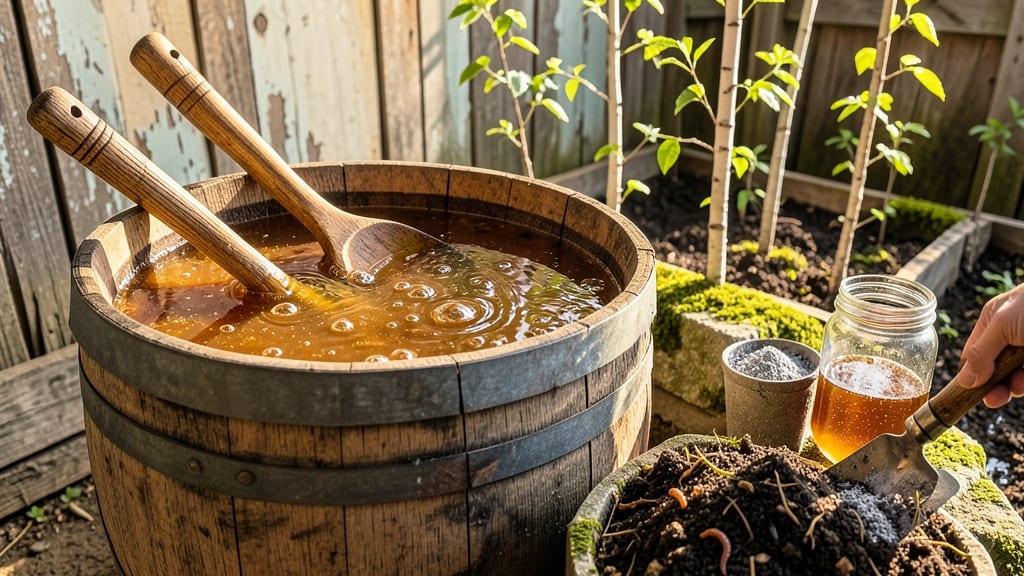
Want to give your young trees a growth supercharge without synthetic fertilizers? Try ash-enhanced compost tea—a microbial powerhouse that combines the benefits of wood ashes and compost tea to create a nutrient-dense soil amendment.
Start by brewing compost tea using well-aged compost and water (1:5 ratio) in a bucket. Add 1-2 cups of wood ashes per gallon of tea, stir well, and let it steep for 24-48 hours. The result is a potassium-rich solution packed with beneficial microbes that break down nutrients into forms trees can absorb quickly. Use it to soak seedbeds or water young trees at the base—just dilute with water (1:3 ratio) to avoid overloading the soil.
This method is ideal for urban gardeners with limited space or those growing fruit trees like apples or cherries, which thrive with extra potassium. The microbial boost also helps trees resist stress during transplanting. 🌱
Ash Layered Seedbeds
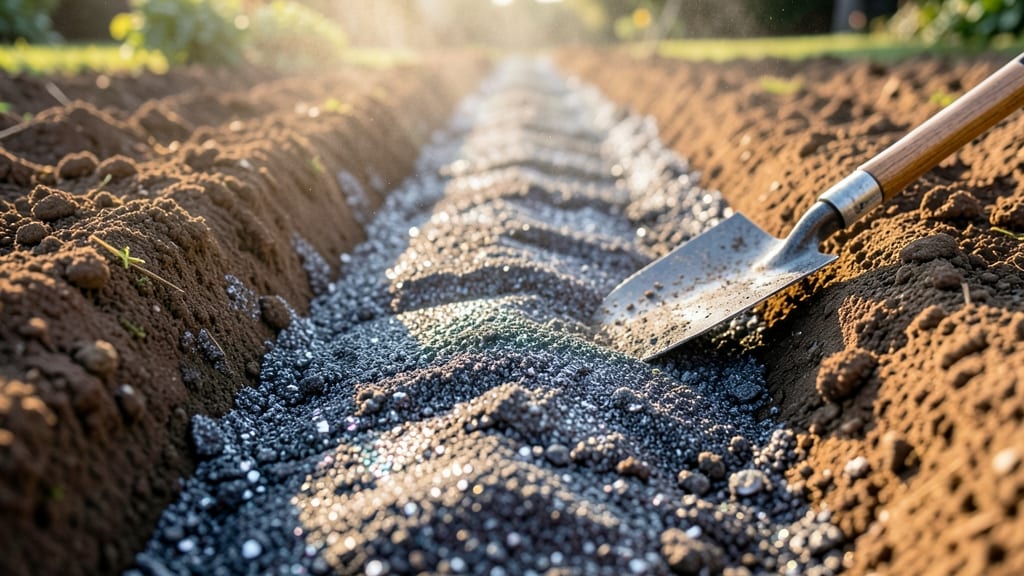
Want to grow oak trees, walnuts, or fruit-bearing species with roots that dive deep? Try ash layered seedbeds—a clever way to create a nutrient-rich underground highway for your tree’s roots.
Start by digging a shallow trench (8-12 inches deep) and alternating 1-inch layers of fine wood ash with loose, well-draining soil. The ash provides a slow-release supply of potassium and calcium, while the soil layers anchor roots as they grow downward. This gradient encourages roots to spread 30-50% deeper than in regular soil, perfect for large tree species that need stability.
This method is ideal for gardeners with heavy clay soil or those planting trees in urban containers where root space is limited. Just avoid overdoing it—too much ash can raise soil pH too quickly. 🌟
Ash-Activated Mycorrhizal Fungi
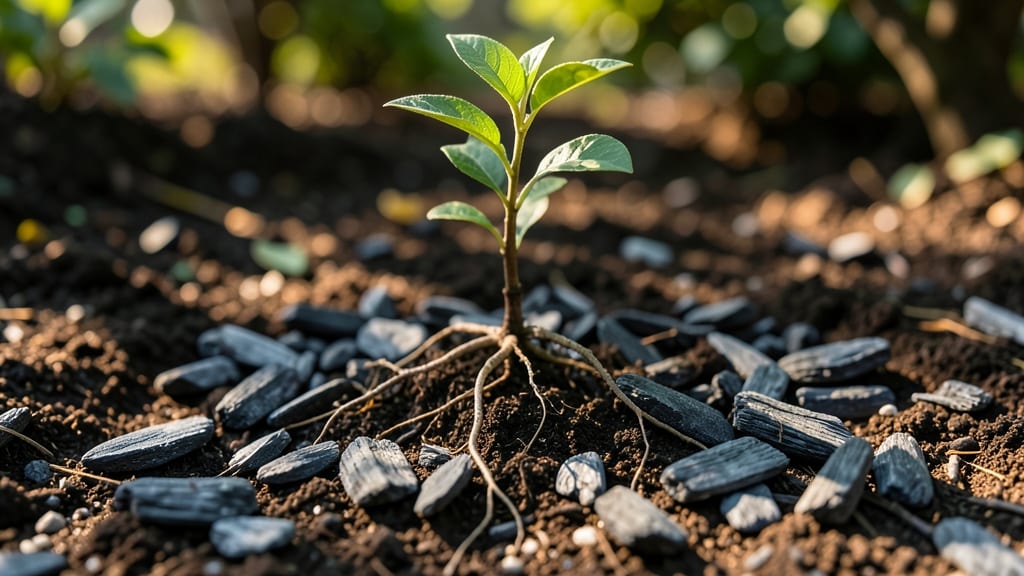
Did you know your fireplace ashes can unlock a hidden growth superpower for trees? By harnessing the alkaline properties of wood ashes, you can activate mycorrhizal fungi—nature's own nutrient delivery system—that helps young trees absorb water and nutrients up to 30% more efficiently during their critical early years.
Start by sprinkling a thin layer (½ inch) of fine wood ashes around newly planted tree seedlings or in the planting hole. The slightly alkaline environment triggers dormant mycorrhizal spores in the soil to colonize tree roots, forming a symbiotic network. For best results, mix ashes with moist, well-draining soil and avoid over-application—too much can raise soil pH excessively. This method works especially well for oak, pine, and fruit trees, which thrive with enhanced fungal partnerships.
This low-cost, eco-friendly technique is perfect for urban gardeners with limited space or anyone looking to give newly planted trees a competitive edge. Your fireplace waste becomes a growth catalyst! 🌱
Ash-Infused Hydroponic Growth

Want to grow trees indoors without soil? Ash-infused hydroponics turns your wood ashes into a nutrient powerhouse for tree cuttings, delivering potassium and calcium directly to roots in a controlled system. This method is perfect for urban gardeners with limited space or those propagating hard-to-root species like willow or poplar.
Start by dissolving 1 teaspoon of fine wood ashes in a gallon of hydroponic nutrient solution—strain well to avoid clogging pumps. Adjust the pH to 5.5-6.5 and monitor closely, as ash can raise alkalinity. Use this solution to nourish cuttings in a deep water culture or ebb-and-flow system, replacing it every 2-3 weeks or when it turns cloudy. The result? Faster root development and stronger stems compared to traditional soil methods.
This technique is ideal for indoor growers or those with small balconies, offering a precise way to grow trees year-round without soil mess. 💡