
Pruning
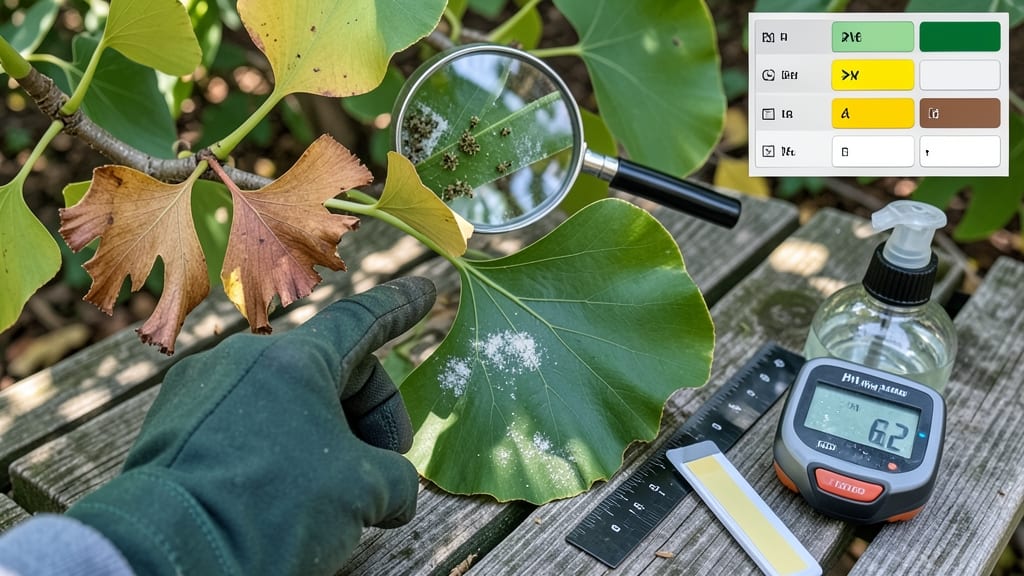
Your ginkgo tree’s leaves shouldn’t look like this—yellowing, spotted, or crispy around the edges. 🌿 I’ve seen ginkgo trees go from healthy to struggling in just one season, but the good news is most leaf problems have quick fixes once you know what to look for.
The culprits are usually fungal infections (like anthracnose), nutrient imbalances (too much salt or not enough iron), or environmental stress (sudden drought or poor drainage). Ginkgos are tough, but they’ll signal trouble with leaf color, texture, or early drop—before it’s too late.
Within 2-4 weeks of treatment, you’ll see improvement: firmer leaves, richer green, and fewer spots. The key is acting fast—once the problem spreads, it takes longer to reverse. I’ll walk you through the exact steps to diagnose and fix it, so you don’t lose another season.
Start by checking the leaf pattern—is it yellow between veins (iron deficiency) or brown spots with yellow halos (fungus)? Then match it to the right fix: organic sprays for fungus, chelated iron for chlorosis, or deep watering for drought stress. Ginkgos bounce back fast when you address the root cause.
Prevention is even easier: mulch properly, water deeply but infrequently, and prune to improve airflow. A healthy ginkgo tree can live for centuries—don’t let leaf problems cut that short. Let’s get those leaves looking strong again.
Root Causes Behind Leaf Troubles
Ginkgo trees (Ginkgo biloba) are hardy, ancient survivors—but even they aren’t immune to stress. Their distinctive fan-shaped leaves can develop problems like yellowing, browning, curling, or premature drop due to a mix of environmental, biological, and cultural factors.
Understanding why these issues arise is the first step to restoring your tree’s health. Below, we break down the most common culprits, backed by science and actionable insights.
Ginkgos thrive in USDA Zones 3–8, but their resilience has limits. Sudden temperature swings—especially late spring frosts or early autumn freezes—can shock the tree’s vascular system, disrupting nutrient flow to the leaves.
- Cold Damage: Frost below 28°F (-2°C) can cause brown, crispy leaf edges (a condition called frost burn). The tree’s abscisic acid (a stress hormone) triggers leaf drop to conserve energy.
- Heat Stress: Prolonged heatwaves above 90°F (32°C) lead to scorched, yellow patches (sunburn). Ginkgos lack the protective cuticular wax layer of some broadleaf trees, making them vulnerable.
- Actionable Fix:
- ✅ Mulch deeply (3–4 inches) to regulate soil temps and protect roots.
- ✅ Avoid planting near heat-reflective surfaces (e.g., pavement, dark roofs).
- ✅ Water deeply during heatwaves (1–2 inches per week) to cool the root zone.
Ginkgos are drought-tolerant once established, but their leaves scream for help when water stress kicks in. Overwatering or underwatering both trigger leaf problems through oxygen deprivation or nutrient starvation.
- Underwatering: Leaves turn yellow and brittle (chlorosis) or curl inward as the tree prioritizes root survival. Wilting is a late-stage sign—by then, 30% of leaf tissue may already be damaged.
- Overwatering: Yellowing leaves with brown, mushy edges signal root rot (often caused by Phytophthora fungi in waterlogged soil). The tree’s roots suffocate, blocking xylem transport of water and nutrients.
- Actionable Fix:
- 💡 Test soil moisture 2 inches below the surface—it should feel damp but not soggy.
- 🔥 Improve drainage: Amend clay soil with compost or sand; ensure the planting hole has a gravel layer.
- 🌧️ Water deeply but infrequently: 1–1.5 inches per week (more in containers). Avoid wetting foliage to prevent fungal diseases.
Ginkgos are generally disease-resistant, but fungal pathogens exploit stress (from poor watering, wounds, or compacted soil) to wreak havoc. The most common offenders:
| Disease | Symptoms | Cause |
|---|---|---|
| Anthracnose (Gloeosporium spp.) | Dark, sunken spots with yellow halos; leaves may drop prematurely. | Thrives in wet, humid conditions (60%+ humidity). Spores splash from soil to leaves. |
| Leaf Spot (Cercospora spp.) | Purple-brown spots with gray centers; severe cases cause leaf scorch. | Spreads via rain or overhead irrigation. Worsens in high-nitrogen soil. |
| Root Rot (Armillaria or Phytophthora) | Wilting, yellowing despite moist soil; mushrooms at the base (for Armillaria). | Caused by waterlogged soil or wounded roots. |
Actionable Fix:
- ✨ Prune infected leaves (sterilize tools with 70% isopropyl alcohol) and dispose of them in the trash not the compost.
- 🌡️ Improve air circulation: Thin dense foliage and space trees 30–40 feet apart.
- 💊 Apply fungicide preventatively in spring (e.g., copper fungicide or neem oil) if your area is prone to humidity.
While ginkgos have few natural pests, a handful of insects can still target leaves, draining nutrients and transmitting diseases. The top culprits:
- Ginkgo Psyllid (Glycaspis grisea):
- ❌ Symptoms: Sticky honeydew, black sooty mold, and curled, distorted leaves.
- ❌ Why it happens: These tiny sap-sucking insects inject toxins that trigger abscisic acid, causing premature leaf drop.
- Japanese Beetles:
- ❌ Symptoms: Skeletonized leaves (chewed edges) and yellowing.
- ❌ Why it happens: Adult beetles defoliate in late summer, stressing the tree and reducing photosynthesis.
- Spider Mites:
- ❌ Symptoms: Fine webbing on undersides; bronzed or stippled leaves.
- ❌ Why it happens: These microscopic pests thrive in dry, dusty conditions and pierce cells to suck sap, causing chlorotic mottling.
Actionable Fix:
-
<
Quick fixes for ginkgo tree leaf woes
When your ginkgo tree’s leaves start looking less than stellar, don’t panic—most issues have straightforward solutions! Whether it’s yellowing, browning, wilting, or pests wreaking havoc, addressing the problem early can save your tree.
Below, we’ve mapped out practical fixes for common ginkgo leaf problems, along with prevention tips to keep your tree thriving. Let’s get your ginkgo back to its healthy, fan-shaped glory!
If your ginkgo’s leaves turn yellow (especially along the edges or veins), it’s often a sign of overwatering, poor drainage, or nutrient deficiencies.
How to Fix It: ✅ 💧 Check the Soil Moisture
- Ginkgo trees hate soggy roots. Stick your finger 2-3 inches into the soil—if it’s damp, hold off on watering.
- Fix: Water deeply only when the top 1-2 inches of soil are dry.
Improve drainage by adding compost or organic matter to heavy clay soil.
✅ 🌱 Fertilize for Balance
- Yellowing can signal iron, magnesium, or nitrogen deficiency. A slow-release, balanced fertilizer (like 10-10-10) in early spring can help.
- Fix: Apply fertilizer sparingly (follow package instructions) and avoid over-fertilizing, which can burn roots.
✅ 🚰 Improve Drainage
- If your tree is in a low spot where water pools, raise the soil level or plant it on a slight mound next time.
💡 Prevention Tip: Mulch around the base (but keep it 3-4 inches away from the trunk) to retain moisture without suffocating roots.
Brown, dry, or crispy leaves usually mean underwatering, heat stress, or low humidity—especially common in hot, dry climates.
How to Fix It:
✅ 💦 Water Deeply and Consistently
- Ginkgo trees have deep roots and need 1-1.5 inches of water per week (more in extreme heat).
- Fix: Water slowly and deeply (soak the root zone) rather than frequent shallow watering.
✅ 🌡️ Shield from Harsh Sun & Wind
- If leaves are scorched, your tree may need afternoon shade or wind protection.
- Fix: Plant in a spot with morning sun and afternoon shade, or use burlap windbreaks in exposed areas.
✅ 🌧️ Boost Humidity (If Needed)
- In arid climates, mist leaves occasionally or use a tree-specific anti-transpirant spray to reduce water loss.
💡 Prevention Tip: Mulch heavily (3-4 inches) to lock in moisture and regulate soil temperature.
Tiny holes, stippling, or webbing on leaves? Psyllids or spider mites are likely the culprits.
How to Fix It:
✅ 🔍 Inspect Leaves Early
- Check the undersides of leaves for tiny yellow insects (psyllids) or fine webbing (mites).
✅ 💦 Blast Off Pests with Water
- A strong hose spray can knock off psyllids. Do this early in the morning for best results.
✅ 🧴 Use Organic or Chemical Controls
- For psyllids: Apply neem oil or insecticidal soap (follow label rates).
- For mites: Try horticultural oil or miticide sprays (like Avid).
✅ 🕷️ Encourage Natural Predators
- Ladybugs and lacewings eat psyllids. Plant nearby flowers to attract them.
💡 Prevention Tip: Prune and dispose of heavily infested branches to reduce pest populations.
If leaves suddenly wilt or droop, it could be root rot (from overwatering) or transplant shock.
How to Fix It:
✅ 🚨 Stop Watering Immediately
- Let the soil dry out completely before watering again.
✅ 🔪 Check for Root Rot
- Gently dig around the roots—if they’re mushy or black, you’ve got root rot.
- Fix: Trim affected roots, repot (if in a container), or improve drainage in the ground.
✅ 🌱 Give It Time to Recover
- If recently planted, wilting is normal for the first few weeks. Water lightly and avoid fertilizing until new growth appears.
💡 Prevention Tip: Avoid planting ginkgo trees in waterlogged areas—they prefer well-draining soil.
- 🌱 Prune Properly: Remove dead or diseased branches in late winter/early spring to improve airflow. - 🍃 Avoid Heavy Pruning: Ginkgo trees don’t handle heavy pruning well—stick to light shaping. - 🌡️ Monitor Temperature: Ginkgos are cold-hardy but can suffer in extreme heat or frost.
Protect young trees with burlap wraps in winter. - 🌿 Test Soil pH: Ginkgos prefer slightly acidic to neutral soil (pH 6.0-7.5). Adjust with lime (to raise pH) or sulfur (to lower it) if needed.
Final Thought: Most ginkgo leaf problems are easy to fix with the right care. Act fast—whether it’s adjusting water, fertilizing, or pest control—and your tree will bounce back stronger than ever! 🌳💪
Frequently asked questions
Why are my ginkgo tree leaves turning yellow between the veins?
This classic symptom usually indicates iron chlorosis, often caused by alkaline soil (pH above 7.5) or poor root development. Ginkgos need iron and manganese to stay green—if the soil blocks uptake, leaves yellow between veins while keeping green veins. Test your soil pH and amend with chelated iron or sulfur if needed.
What do brown spots with yellow halos on ginkgo leaves mean?
Those are classic signs of anthracnose fungus, a common issue in wet springs. The disease thrives in 60%+ humidity and spreads via rain splashing spores onto leaves. Prune infected branches immediately, improve airflow around the tree, and apply copper fungicide or neem oil as a preventive spray in early spring.
Can I save my ginkgo if the leaves are curling and covered in webbing?
Yes! That webbing is likely from spider mites, which thrive in dry, dusty conditions. Knock them off with a strong hose spray first, then treat with horticultural oil or insecticidal soap. For severe cases, use Avid miticide. Keep your tree hydrated—mites hate high humidity!
Is it normal for ginkgo leaves to drop in early autumn?
Yes, ginkgos are deciduous and naturally drop leaves in fall, but premature drop (before October) signals stress. Check for pests, fungal infections, or root issues. Healthy ginkgos keep leaves until first frost—if they're falling early, adjust watering or treat any underlying problems.
How often should I fertilize a ginkgo tree with leaf problems?
Over-fertilizing stresses ginkgos! For trees with leaf issues, apply a balanced, slow-release fertilizer (like 10-10-10) once in early spring and again in late summer. If you suspect deficiencies, use a soil test first—ginkgos often need iron or magnesium, not just nitrogen.