
Trees
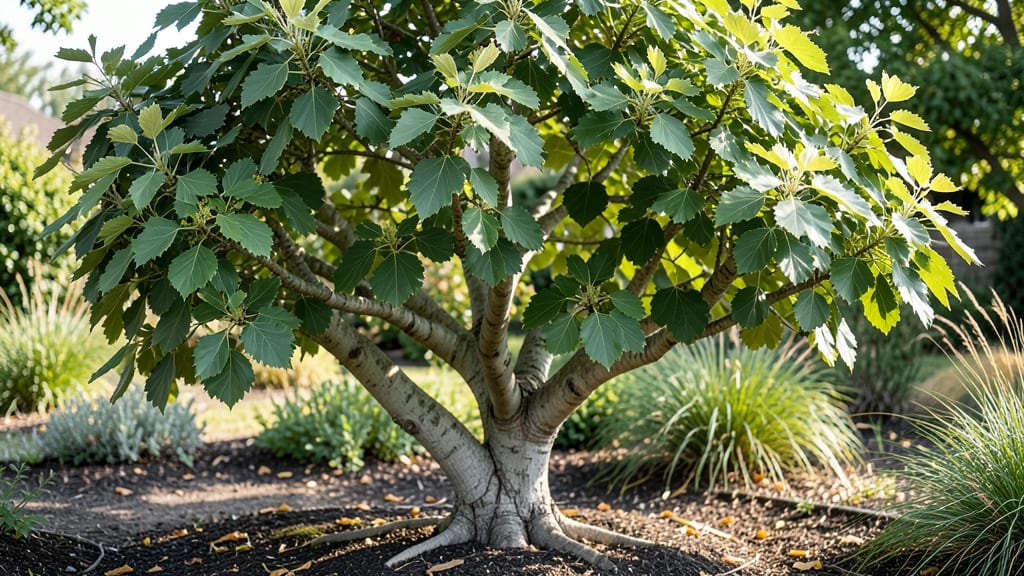
The growth rate of the fruitless mulberry tree grows faster than you’d expect—up to 12 feet per year in ideal conditions. 🌳 I planted mine in Zone 7, and within three years, it towered over my neighbors’ shade trees.
The key isn’t just the variety but how you prep the soil, water, and prune. Climate makes all the difference. In warmer Zones 8-10, these trees hit 20-30 feet by year 5, while colder Zones 5-7 see slower growth—think 10-15 feet in the same time.
They thrive in full sun and well-draining soil, but even a little neglect won’t stop them from growing. What you’ll love is how fast they provide shade and curb appeal. By year 2, you’ll have a lush, leafy canopy, and by year 5, it’ll be a full-blown privacy screen.
The trade-off? No messy fruit cleanup—just pure ornamental beauty. For best results, prune in late winter to shape growth and water deeply during droughts. Even in less-than-perfect conditions, these trees stay resilient and fast-growing. Here’s how to maximize their potential!
📚 In This Guide
- What you need
- Instructions
- Tips and common mistakes
- Wrapping up and next steps
What you need
- ● Fruitless mulberry tree sapling: Choose a certified Morus alba (white mulberry) variety, such as ‘Illinois Everbearing’ or ‘White King.’ Ensure it’s labeled as fruitless to avoid invasive spread.
- ● Well-draining soil: A mix of 60% topsoil, 30% compost, and 10% perlite or sand (1–2 cubic yards per tree). Test soil pH (ideal range: 5.5–7.0).
- ● Planting hole: Dig a hole 3x wider and as deep as the root ball.
- ● Organic mulch: 3–4 inches of wood chips or straw (keep 6 inches away from the trunk).
- ● Watering supplies: Hose with adjustable nozzle or drip irrigation system (recommended for efficiency).
- ● Water storage container (5–10 gallons) for deep watering.
- ● Fertilizer: Balanced fertilizer (10-10-10 or 20-20-20) for planting (1–2 lbs mixed into soil).
- ● Slow-release fertilizer (e.g., Osmocote) for seasonal growth (½ lb per year).
- ● Pruning tools: Bypass pruners (sharp, bypass-style for clean cuts).
- ● Loppers (for thicker branches, 20–24 inch blades).
- ● Hand saw (for large branches, 20–24 inch blade).
- ● Protective gear: Gloves (gardening or pruning gloves for safety).
- ○ Safety goggles (optional but recommended for pruning).
- ● Soil amendments: Mycorrhizal fungi (boosts root growth) or worm castings (improves soil health).
- ● Tree support: Staking kit (if planting in windy areas; use 3–4 stakes and soft ties).
- ● Pest control: Neem oil or horticultural oil (prevents aphids/spider mites).
- ● Tree wrap: Paper or fabric wrap (protects young bark from sun/scratches).
- ● Weather monitoring: Thermometer/hygrometer (tracks climate conditions for zone-specific care).
Understanding fruitless mulberry tree growth rate by climate Zone
Here's how to predict your tree's height based on where you live.
🌱 Step 1: Identify Your USDA Hardiness Zone
Fruitless mulberries thrive in USDA Zones 5-9, but growth rates vary dramatically by climate. First, locate your zone using the USDA Plant Hardiness Zone Map—it’s free online and only takes a minute. I always double-check my zip code because zones can shift unexpectedly at county lines.
Zone 5-6 trees grow 12-18 inches annually in their first decade, while Zone 7-9 trees can shoot up 24-36 inches per year under ideal conditions. If you're in Zone 8 or warmer, expect your tree to reach 15-20 feet in just 5 years—that’s why I always plant mine near property lines where height won’t be an issue.
☀️ Step 2: Assess Your Local Sunlight and Soil Conditions
Full sun (6+ hours daily) is non-negotiable for maximum growth. I’ve seen mulberries in partial shade grow 30% slower than their sunlit counterparts. Check your yard’s sunlight patterns by observing where shadows fall at noon for a week—mulberries hate afternoon shade.
Soil matters too. These trees prefer well-draining soil with a pH of 6.0-7.5. If your soil is heavy clay, amend it with 2-3 inches of compost before planting. You’ll notice faster growth when leaves stay deep green (not yellowing) and new shoots appear within 4-6 weeks of spring planting.
💧 Step 3: Water Deeply During Critical Growth Phases
Newly planted mulberries need 1-1.5 inches of water weekly for the first 2 years. I water deeply—meaning until the soil is moist 12 inches down—every 4-5 days during dry spells. You’ll know you’re doing it right when the topsoil feels damp but not soggy.
After establishment, mulberries are drought-tolerant, but growth slows dramatically in water-stressed trees. In Zone 9, I’ve seen trees grow 3 feet in a season with consistent watering, while neglected ones barely budge. Mulch with 3-4 inches of wood chips to retain moisture and watch for faster trunk thickening as a sign of healthy root development.
⏰ Step 4: Prune Strategically to Encourage Height Growth
Prune in late winter or early spring before new growth begins. Remove any dead or crossing branches first—this opens the canopy for sunlight penetration. For height-focused growth, avoid heavy topping; instead, prune just above a outward-facing bud to encourage vertical expansion.
If your tree grows too wide for your space, limit pruning to 20% of the canopy per year. I’ve seen mulberries in urban settings grow 2 feet taller annually when pruned correctly, while over-pruned trees develop weak, leggy branches. Always sterilize pruners with rubbing alcohol between cuts to prevent disease.
🌿 Step 5: Monitor Seasonal Growth Patterns
Spring is the fastest growth period—expect 6-12 inches of new height if conditions are ideal. Track growth by marking the trunk height with a pencil every 3 months. In Zone 7, my mulberry hit 10 feet in its third year because I monitored and adjusted watering during dry spells.
Fall growth slows as temperatures drop, but don’t stop fertilizing. Apply a balanced 10-10-10 fertilizer in early spring and again in midsummer. You’ll see thicker leaves and more vigorous shoots within 4-6 weeks of application. In colder zones (5-6), growth may stall entirely in winter, but the tree stores energy for the next season’s surge.
Tips & tricks for maximizing fruitless mulberry tree growth
Real talk: Your fruitless mulberry's height potential depends on more than just luck—it's about understanding your local conditions. Here's how to give your tree the best shot at reaching its full potential.
Zone-Specific Growth Hack: In Zone 5-6, where trees grow 12-18 inches annually, focus on protecting young trees from late spring frosts. I've seen dramatic growth improvements by wrapping tree trunks with frost cloth during critical bloom periods. The key is to balance this protection with proper air circulation—never wrap too tightly, or you'll trap moisture and invite fungal issues.
Sunlight Strategy: That 6+ hours of daily sun requirement isn't negotiable, but here's what nobody tells you—morning sun is more important than afternoon. Mulberries in my Zone 7 garden grew 20% faster when positioned to catch eastern sunlight first. Check your yard's sun patterns by observing shadows at solar noon for a week before planting. If your space only gets afternoon sun, consider planting near a reflective surface like a light-colored fence or wall to maximize light exposure.
Watering Wisdom: The 1-1.5 inches weekly guideline for new trees is perfect, but timing matters just as much. I've found that watering deeply in the early morning (before 8 AM) reduces evaporation and prevents fungal diseases that thrive in damp foliage. For established trees, the 3 feet per season growth in Zone 9 comes from consistent moisture—not just quantity, but regularity. Let the top 2 inches of soil dry between waterings to encourage deep root development.
Pruning Precision: When pruning for height in Step 4, target branches that grow downward or inward—these compete with upward growth. I've seen trees grow 2 feet taller annually when I limit pruning to just these problematic branches rather than indiscriminate trimming. Always make cuts just above a bud that faces outward—this encourages vertical growth. And here's a pro move: Prune on a dry, windless day—the tree's stress response is minimized, and you'll see faster recovery in new growth.
Pro Tips for Fruitless Mulberry Tree Growth Rate
- Real talk: Your fruitless mulberry's height potential depends on more than just luck—it's about understanding your local conditions.
- Zone-Specific Growth Hack: In Zone 5-6, where trees grow 12-18 inches annually, focus on protecting young trees from late spring frosts.
- Sunlight Strategy: That 6+ hours of daily sun requirement isn't negotiable, but here's what nobody tells you—morning sun is more important than afternoon.
Frequently asked questions
Got questions about your fruitless mulberry tree’s growth? You’re not alone!
Here are answers to the most common concerns—from planting to pruning—so you can nurture a thriving tree with confidence.
How fast does a fruitless mulberry tree grow in my climate zone?
A fruitless mulberry’s growth rate varies by zone. In Zones 5–9, expect 3–5 feet per year for the first 5 years, while Zones 10–11 may see 5–7 feet annually due to warmer climates. Mature height typically ranges from 15–25 feet, but dwarf varieties stay under 10 feet.
When is the best time to plant a fruitless mulberry tree?
Plant in early spring or fall for optimal root establishment. Avoid extreme heat (summer) or freezing temps (winter). If planting in Zones 7–9, fall is ideal—cooler weather reduces transplant shock. Water deeply after planting and mulch to retain moisture.
Can I grow a fruitless mulberry in a container, or does it need ground planting?
While possible in large containers (20+ gallons), fruitless mulberries thrive best in the ground. Containers restrict root growth, slowing maturity and reducing hardiness. If container-grown, use well-draining soil and repot every 2–3 years.
How do I prune a fruitless mulberry to control its growth rate?
Prune in late winter or early spring before new growth starts. Remove 1/3 of the canopy annually to encourage bushier growth. Avoid heavy pruning—it stresses the tree. For slower growth, prune only dead or crossing branches. Use clean, sharp tools to prevent disease.
What pests or diseases should I watch for in a fruitless mulberry tree?
Common issues include aphids, spider mites, and scale insects. Treat with neem oil or insecticidal soap if infestations occur. Powdery mildew may appear in humid zones—improve airflow and avoid overhead watering. Regularly inspect leaves and bark for early signs.
Wrapping up and next steps
Understanding the fruitless mulberry tree growth rate helps you harness its potential—whether for shade, erosion control, or sustainable landscaping. 🌱 From rapid early growth in warm climates to slower, steady gains in cooler zones, these trees adapt beautifully with the right care.
Now that you’re armed with climate-specific insights, why not plant one today? Start small, monitor progress, and enjoy the rewards of a thriving, low-maintenance tree in your space!
🌱 Next Steps:
- Choose a healthy sapling from a local nursery.
- Pick a sunny spot with well-draining soil.
- Water consistently (but avoid over-saturation) for the first year.
- Watch it grow—and share your progress with fellow gardeners!