
Pruning
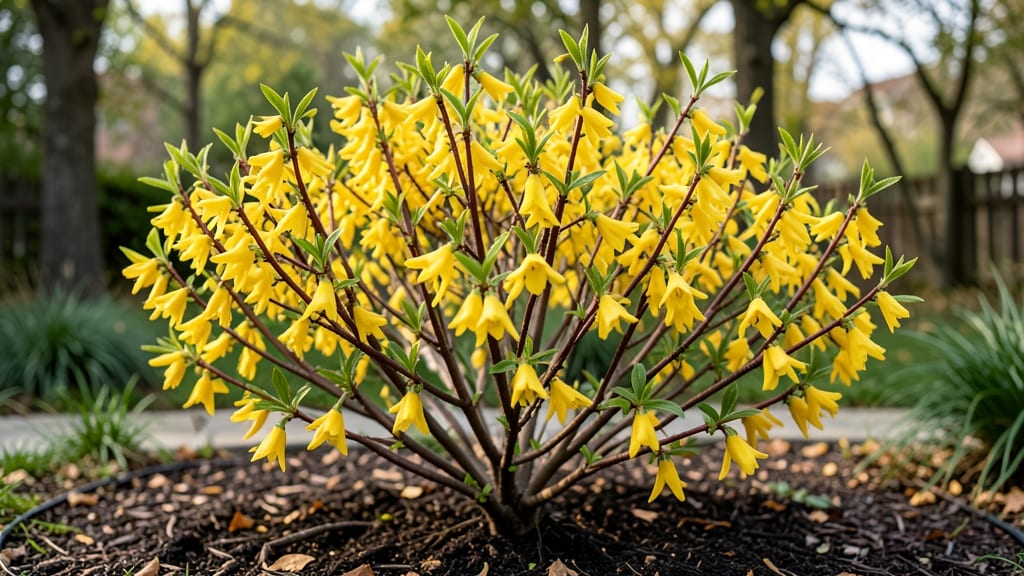
That forsythia tree form you see in spring—bursting with golden blooms—isn’t just luck. ✨ It’s the result of intentional pruning that shapes how the plant grows, whether you want a lush multi-stemmed shrub, a single-trunk small tree, or even an espaliered masterpiece against your fence.
I’ve turned my wild, leggy forsythia into a showstopping focal point by mastering just three pruning techniques, and you can too.
The secret lies in when and how you cut: prune right after flowering to encourage dense growth, or shape it mid-summer for a more refined look. A single-trunk tree needs aggressive early pruning, while a multi-stemmed shrub thrives with selective cuts to keep branches at different heights.
The right form also means better sunlight exposure—critical for those bright yellow blooms—and a cleaner, more intentional garden aesthetic.
Imagine a layered hedge of forsythia along your property line, or a tall, sculpted tree framing your front door. With the right pruning, you’ll get both: bold spring color and a structure that lasts all season.
The best part? You don’t need fancy tools—just sharp shears, a clear vision, and a little patience. Let’s shape yours.
Works for small yards, urban spaces, or large landscapes—just adjust the scale. Whether you’re fixing an overgrown mess or designing from scratch, this is how you turn forsythia into garden art. Ready to prune?
📚 In This Guide
- What you need
- Instructions
- Tips and common mistakes
- Wrapping up and next steps
What you need
- ● Pruning shears: Bypass pruners (for small branches, sharp and clean for precise cuts).
- ● Loppers: 1 pair (for thicker branches, 8–12 inches cutting capacity).
- ● Hand saw: Pruning saw (for stubborn, woody stems—avoid cheap saws that dull quickly!).
- ● Gloves: Heavy-duty gardening gloves (to protect from thorns and sap).
- ● Disinfectant: 70% rubbing alcohol or bleach solution (1 part bleach to 9 parts water) to sterilize tools between cuts.
- ● Rope or twine: 10–15 feet (for temporary support if training young branches).
- ● Stakes or small posts: 3–5 wooden or metal stakes (12–18 inches tall) for support.
- ● Sharpie or marking pen: For labeling branches if pruning in stages.
- ● Water spray bottle: To mist cuts and reduce stress on the plant.
- ● Forsythia plant: Mature enough to handle pruning (3–5 years old for best results).
- ● Hedge shears: For creating ultra-smooth, manicured edges (great for formal shapes).
- ● Pruning sealant: Tree wound dressing (controversial—only use if your region has aggressive pests).
- ● Plant ties: Soft velcro or fabric ties to secure branches during training.
- ● Camera or sketchpad: To plan your design before cutting!
- ● Fertilizer: Balanced 10-10-10 or compost to nourish the tree post-pruning.
Step-by-Step instructions for pruning forsythia to shape a tree form
Here's how to transform that wild, multi-stemmed forsythia into a graceful, single-trunk tree with vibrant blooms.
🌿 Step 1: Identify and Select Your Main Trunk
Start by examining your forsythia's existing structure. Look for the straightest, thickest stem that emerges from the base—this will become your tree's trunk. I often choose the stem with the most upward growth and fewest branches below the 3-foot mark, as this helps create a natural, tapered look.
Use your pruning shears to make a clean cut just above a bud facing outward on any competing stems that will interfere with your chosen trunk. This encourages growth in the direction you want. If you have multiple strong stems competing, you may need to remove one entirely—don't worry, forsythia is resilient and will fill in quickly.
✂️ Step 2: Remove Lower Branches for a Clean Trunk
Now focus on the lower 3 feet of your selected trunk. Remove any branches that grow below this point, cutting back to the trunk itself. This creates that coveted "clear trunk" look that defines a formal tree form. I like to leave just a few small branches near the base if they're particularly attractive, but keep the majority bare for a sleek silhouette.
Make your cuts at a 45-degree angle, about 1/4 inch above a bud that points in the direction you want new growth to go. This angle helps water run off the cut and reduces the chance of disease. If you're unsure which way the bud faces, look for the small bump—this is where new growth will emerge.
☀️ Step 3: Shape the Upper Canopy for Balance
Step back and assess the overall shape of your forsythia. You want a broad, rounded canopy that's slightly wider at the top than the base of the trunk. Start by removing any crossing branches—these rub against each other and create weak points. Cut one of the two branches at its base, leaving the stronger one to fill the space.
Next, thin out the interior of the canopy by removing about 20-30% of the branches from the center. This allows light and air to circulate, which prevents disease and encourages more vibrant blooms. Focus on branches that grow inward or downward, as these create a dense, unbalanced look. Always cut back to a bud or lateral branch to maintain the plant's natural shape.
⏰ Step 4: Refine and Maintain the Form Over Time
Forsythia grows quickly, so you'll need to do a light maintenance pruning in late winter or early spring before new growth begins. Remove any suckers that sprout from the base or along the trunk—these compete with your desired form. Also, trim back any branches that have grown too long or become leggy during the previous season.
Here's the thing—forsythia blooms on old wood, so avoid heavy pruning after the flowers fade. If you must prune later in the season, limit yourself to shaping the new growth that appears after flowering. Regular light pruning keeps your tree looking intentional rather than wild, and you'll see that elegant, sculpted form emerge over just a few seasons.
Tips & tricks for perfect forsythia tree form
Transforming your forsythia into a sculpted masterpiece takes patience and precision—but these insider tips will help you avoid common pitfalls and achieve that showstopping tree form.
Bud Direction Matters: In Step 1, when you're making those crucial cuts to select your main trunk, always look for buds that face outward. These buds will grow in the direction you want, creating a naturally tapered trunk rather than awkward growth patterns. I've seen too many pruning attempts fail because the buds were facing inward—this creates a "bowl" shape instead of the elegant taper we're after.
Angle Precision Prevents Disease: That 45-degree angle in Step 2 isn't just for aesthetics—it's a critical disease prevention technique. The angled cut helps water run off the wound rather than pooling, which reduces the risk of fungal infections. Pro tip: Use sharp pruning shears to make clean cuts; dull blades crush the stems and create larger wounds that heal poorly. I keep a small bottle of rubbing alcohol handy to wipe down my shears between cuts to prevent cross-contamination.
Canopy Thinning Strategy: When you're removing those 20-30% of interior branches in Step 3, focus on creating an "open center" effect. This might seem counterintuitive—after all, you want a dense canopy—but it's essential for air circulation and bloom production. Think of it like creating a lattice where light can penetrate to the inner branches. I like to visualize removing every other branch in a checkerboard pattern to maintain that balanced, rounded shape.
Seasonal Timing is Everything: The instructions mention late winter/early spring pruning, but here's what nobody tells you—forsythia responds best when you prune just as the buds begin to swell but before they break dormancy. This timing ensures you're not cutting into next year's blooms. I mark my calendar for early March in most climates, but always check your local frost dates. If you must prune after flowering, limit yourself to shaping new growth only—never cut back into old wood.
Pro Tips for Forsythia Tree Form
- Transforming your forsythia into a sculpted masterpiece takes patience and precision—but these insider tips will help you avoid common pitfalls and achieve that showstopping tree form.
- Bud Direction Matters: In Step 1, when you're making those crucial cuts to select your main trunk, always look for buds that face outward.
- Angle Precision Prevents Disease: That 45-degree angle in Step 2 isn't just for aesthetics—it's a critical disease prevention technique.
Frequently asked questions
Got questions about shaping and maintaining your forsythia’s stunning form? Here are some of the most common inquiries—plus expert answers to keep your tree thriving!
When is the best time to prune forsythia for optimal blooms?
Prune forsythia right after flowering (late spring to early summer). This timing ensures you don’t cut off next year’s blooms, which form on old wood. Avoid pruning in fall or winter, as it can stimulate late-season growth vulnerable to frost damage. Pro tip: If you missed the window, a light trim in early spring is better than none!
Can I shape my forsythia into a formal hedge or topiary?
Yes! Forsythias are highly adaptable to shaping, but they thrive best with a natural, rounded form. For hedges, prune new growth regularly to encourage bushiness. For topiary, use hand pruners or shears to create clean lines, but avoid over-trimming—forsythias bloom on last year’s wood, so maintain at least 2–3 feet of height for flowers.
Why isn’t my forsythia blooming after pruning?
Lack of blooms often means you pruned too late (after mid-summer) or cut back old wood where flowers form. To fix it: Stop pruning for a year, focus on fertilizing in early spring, and ensure it gets 6+ hours of sunlight. If the tree is young (<3 years), be patient—it may need time to establish.
What’s a good alternative if I want a similar look but lower maintenance?
Consider weigela (vibrant blooms, slightly easier pruning) or deutzia (airy clusters, drought-tolerant). For a tree-like form without pruning stress, try ornamental cherry (Prunus serrulata) or crabapple. All three offer spring color but require less frequent shaping than forsythia.
How do I revive a forsythia that’s looking leggy or sparse?
Leggy growth usually means over-pruning or poor sunlight. Rejuvenate by:
- Thinning out 1/3 of the oldest, thickest stems at the base to encourage new shoots.
- Fertilizing with balanced 10-10-10 in early spring.
- Ensuring it gets full sun (6+ hours/day) and well-draining soil.
| Quick Troubleshooting |
|---|
| Yellow leaves? Likely overwatering or nutrient deficiency. Test soil moisture and amend with compost. |
| No new growth? Could be root-bound or drought stress. Water deeply and consider repotting (if in a container) or aerating the soil. |
| Pests (aphids, scale)? Spray with neem oil or introduce ladybugs. Prune infested branches promptly. |
Wrapping up and next steps
Transforming your forsythia into a stunning, well-shaped tree is all about patience, precision, and a little creativity! 🌿 By mastering pruning techniques—whether you’re shaping a standard tree, a multi-stemmed bush, or a weeping form—you’ll unlock its full potential for years of vibrant blooms and timeless beauty.
Start small, observe how your forsythia responds, and don’t hesitate to experiment with styles that suit your garden’s vision.
Ready to take the next step? Grab your pruners, sketch a rough design, and schedule your first pruning session during late winter or early spring. Your future forsythia masterpiece is waiting—just one cut at a time! ✂️🌸