
Diseases
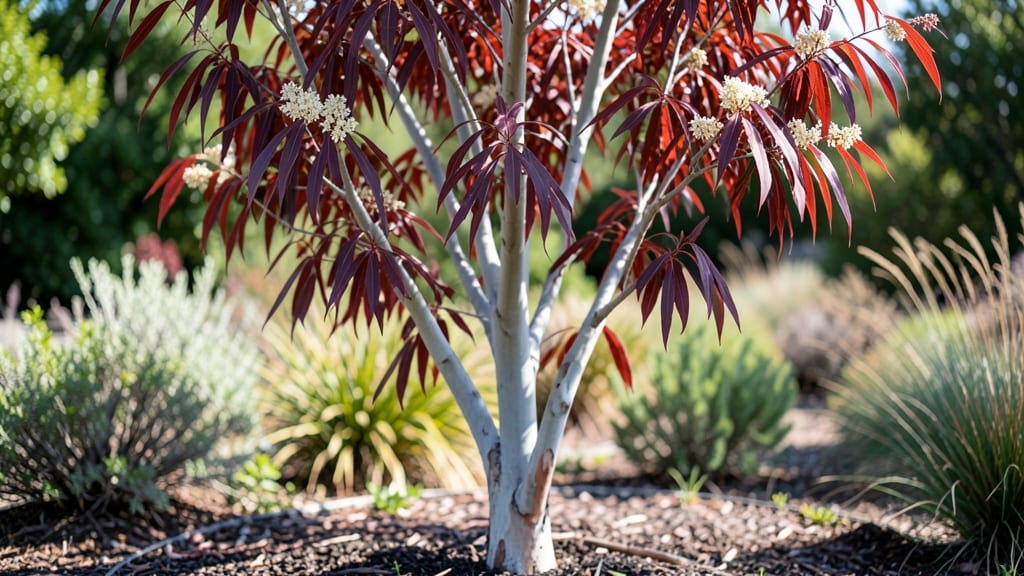
Your eucalyptus tree’s red leaves 🌳 aren’t just a cosmetic issue—they’re a cry for help, and ignoring them could mean permanent damage.
Picture this: You’ve poured time and care into your towering eucalyptus tree, only to wake up one morning and notice the once-vibrant green leaves turning a striking red. Before you panic, know this isn’t always a death sentence.
Often, it’s a clear signal that something in your tree’s environment or care routine needs adjusting—whether it’s a nutrient deficiency, pest invasion, or stress from temperature swings.
Red leaves can stem from drought stress, fungal infections, or even overwatering, each requiring a different fix. The good news? With the right diagnosis, you can often reverse the damage and restore that lush green canopy.
Below, I’ll break down the most common causes, how to spot them early, and the simple steps to bring your eucalyptus back to health.
Don’t let those red leaves become a permanent fixture. By the end of this guide, you’ll know exactly what’s stressing your tree—and how to give it the care it needs to thrive again.
5 Common causes of red leaves on eucalyptus trees
When your eucalyptus tree starts showing red leaves, it’s rarely a good sign. Unlike the natural green foliage these trees are known for, red leaves signal stress or underlying issues. The good news?
Most causes are fixable with the right care. Understanding the root cause—whether it’s environmental stress, nutrient deficiencies, or pests/diseases—is the first step to restoring your tree’s health.
Eucalyptus trees are hardy, but they’re not immune to problems. Temperature fluctuations, improper watering, or even soil pH imbalances can trigger red leaves. Each cause requires a different approach, so let’s break down the most common reasons and how to address them.
With the right knowledge, you can turn those red leaves back to vibrant green in no time.
Cold snaps or heatwaves cause reddening in eucalyptus leaves.
Overwatering or drought stress leads to red or yellow leaves.
Low nitrogen or iron causes red or purple leaf edges.
Diseases like Phytophthora or rust cause red or brown spots.
Sap-sucking pests like psyllids or scale insects stress leaves, turning them red.
First up, temperature stress is a major culprit. Eucalyptus trees thrive in warm climates (USDA Zones 9b-11), but sudden cold snaps or heatwaves can shock the system. When temperatures dip below 40°F (4°C) or soar above 95°F (35°C), leaves may turn red as a protective response.
This is especially common in young trees or those newly transplanted. If you live in a cooler zone, protecting your eucalyptus with burlap wraps or moving potted trees indoors during frost warnings can prevent this issue.
Next, watering issues are a frequent cause of red leaves. Eucalyptus trees prefer well-draining soil and moderate moisture, but they’re sensitive to both overwatering and drought stress. Too much water leads to root rot, while too little causes wilting and reddening.
The key is to water deeply but infrequently—10-15 gallons per week for young trees and 20-30 gallons for mature ones. Always check the soil moisture by sticking your finger 2 inches deep; if it’s dry, it’s time to water.
Nutrient deficiencies often manifest as red or purple leaves, particularly on younger growth. Eucalyptus trees need a balanced diet, but low nitrogen or iron are the most common culprits. A soil test can reveal deficiencies, but you can also look for other signs: yellowing between veins (iron deficiency) or stunted growth (nitrogen deficiency). Amending the soil with compost or a slow-release fertilizer (6-4-4 NPK) can restore balance. Avoid over-fertilizing, as eucalyptus trees prefer leaner soil.
Fungal infections, like Phytophthora root rot or rust diseases, can also cause red or brown spots on leaves. These issues thrive in overly wet or humid conditions, so improving drainage and avoiding overhead watering can help.
If you suspect a fungal issue, remove infected leaves immediately and treat the tree with a copper-based fungicide. For severe cases, consult a local arborist to diagnose the specific pathogen and recommend treatment.
Finally, pest damage from sap-sucking insects like psyllids or scale insects can stress eucalyptus trees, leading to red or curled leaves. These pests thrive in dry, hot conditions and weaken the tree by feeding on its sap.
Inspect the undersides of leaves for tiny insects or sticky residue (honeydew). A strong spray of water or an insecticidal soap can dislodge them, while neem oil provides a natural, long-term solution.
Don’t let red leaves stress you out—most issues are reversible with the right care. Start by identifying the cause, then take action to restore your eucalyptus tree’s health. With patience and attention, those red leaves will fade, and your tree will return to its lush, green glory.
How to diagnose and fix red leaves on your eucalyptus
Red leaves on your eucalyptus tree often signal stress, but the solution depends on the root cause. Start by examining the leaves closely—look for pests, discoloration patterns, or unusual textures. These clues will help you pinpoint whether the issue stems from watering problems, nutrient deficiencies, or environmental factors.
Acting quickly can prevent further damage and restore your tree’s vibrant green foliage.
Begin with a thorough leaf inspection. Gently touch the leaves to check for pests like aphids or spider mites, which often leave sticky residue or tiny webs. If the redness appears only on new growth, it may indicate nutrient imbalances, particularly a lack of nitrogen or phosphorus.
For older leaves turning red, consider root stress or fungal infections like leaf blight.
Red leaves can spread quickly, leading to leaf drop or tree decline. If you spot yellowing between veins or black spots, fungal disease may be the culprit.
Avoid overwatering—soggy soil accelerates root rot, turning leaves red or purple. Prune affected branches immediately to contain the issue and improve airflow.
Next, assess your watering schedule. Eucalyptus trees thrive in well-draining soil and hate soggy roots. If your tree is overwatered, the roots suffocate, causing stress that manifests as red leaves. Adjust to deep watering every 7-14 days for young trees and bi-weekly for mature ones.
Always water at the base of the tree in the morning to reduce evaporation and fungal risks.
Soil health plays a critical role. Test your soil’s pH level—eucalyptus prefers slightly acidic to neutral soil (pH 6.0-7.0). If the pH is off, amend the soil with compost or sulfur to restore balance.
A lack of magnesium or iron can also cause reddening. Apply a balanced fertilizer (6-4-4 NPK) in early spring to support healthy growth and prevent nutrient deficiencies.
Extreme temperatures can trigger red leaves, especially in frost-prone areas. If your eucalyptus is in USDA Zones 7b-8b, protect it from cold snaps with burlap wraps or frost cloth.
In hot climates, provide afternoon shade to prevent heat stress. Mulching around the base with wood chips or straw helps regulate soil temperature and retains moisture, reducing stress-related discoloration.
Finally, prune your eucalyptus to remove damaged leaves and improve airflow. Use sterilized pruners to cut back red or diseased branches just above a leaf node. This encourages new growth and prevents the spread of infections.
Regular pruning also helps maintain the tree’s shape and ensures it receives adequate sunlight and nutrients.