
Trees
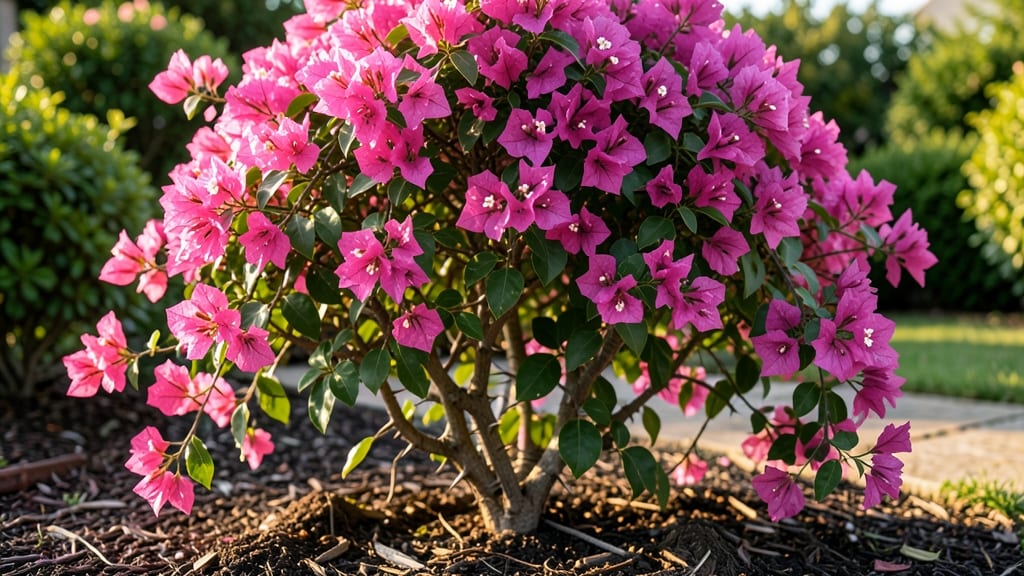
Pink-flowering tropical trees turn any garden into a dreamy retreat. 🌺 I’ve always loved how they transform a space with their bold colors and intoxicating fragrance—whether as a statement focal point or a soft border lining a path.
The right tree can create an instant tropical vibe, even in temperate climates. These beauties thrive in warm zones but can also survive in containers with winter protection. Think hibiscus for lush foliage and dramatic blooms, frangipani for sweet-scented clusters, or bougainvillea for cascading pink hues.
Pair them with silver foliage plants or citrus trees for a cohesive, sun-drenched look. The payoff is immediate: vibrant blooms that attract hummingbirds and fill the air with perfume. With the right placement and minimal care, they’ll reward you with months of color—no green thumb required.
For cooler climates, opt for dwarf varieties or move potted trees indoors during winter. The key is matching their needs to your space, and the results? Pure garden magic.
📚 In This Guide
- What you need
- Instructions
- Tips and common mistakes
- Wrapping up and next steps
What you need
- ● Pink-flowering tropical tree seedlings or saplings: 1–3 plants (depending on desired coverage; Tabebuia or Erythrina species are popular choices)
- ● Size: 1–3 feet tall (young trees establish faster but may take longer to bloom)
- ● Well-draining potting mix or garden soil: 5–10 gallons (for container gardening) or amended native soil (for in-ground planting)
- ● Mix: 60% topsoil, 20% compost, 20% perlite/sand (for drainage)
- ● Organic fertilizer: 1–2 cups (for planting) + slow-release granules (e.g., 10-10-10 NPK ratio)
- ● Mulch: 2–3 inches of wood chips or pine straw (retains moisture, suppresses weeds)
- ● Hand trowel or spade (for planting)
- ● Garden gloves (to protect hands from thorns or rough bark)
- ● Watering can or hose with a gentle spray nozzle (avoid over-saturating roots)
- ● Pruning shears (for shaping or removing dead branches)
- ○ Stakes & ties (optional) (if planting in windy areas or for young, top-heavy trees)
- ● Sunlight: Full sun (6+ hours daily)—most tropical pink trees thrive in warm, bright conditions.
- ● Climate: USDA Zones 9–11 (or container-grown trees in cooler zones with winter protection).
- ● Water source: Regular access to water (deep watering 2–3 times per week during dry spells).
- ● Space: Mature height varies (e.g., Royal Poinciana can reach 30+ feet—check your tree’s specs!).
Step-by-Step guide to planting and cultivating tropical pink-flowering trees
Here’s how to grow these fragrant, sun-loving beauties with confidence—from selecting the right spot to nurturing full blooms.
🌱 Step 1: Choose the Right Tree Variety and Planting Site
Tropical pink-flowering trees thrive in USDA zones 10-12, but some cold-hardy varieties like the Royal Poinciana or Jacaranda can handle brief dips to 20°F. Pick a location with full sun exposure—at least 6-8 hours daily—and well-draining soil. Avoid low spots where water pools, as these trees despise soggy roots.
If your soil is heavy clay, amend it with 3-4 inches of compost mixed into the top 12 inches of soil. The goal is loose, airy soil that mimics their native tropical conditions. I always dig a hole twice as wide as the root ball but only as deep—planting too deeply suffocates the roots and stunts growth.
☀️ Step 2: Plant at the Right Time and Prepare the Hole
Plant in early spring, when soil temperatures are warming but before summer heat stresses the tree. Dig a hole 12-18 inches wide and deep enough to accommodate the root ball without bending the roots. Loosen the sides of the hole with a shovel to encourage root spread into surrounding soil.
Place the tree in the hole so the top of the root ball sits level with the surrounding soil—never mound soil against the trunk. Backfill with native soil, tamping lightly as you go to remove air pockets. Water deeply to settle the soil, then add a 2-inch layer of mulch (avoid touching the trunk) to retain moisture and regulate soil temperature.
💧 Step 3: Water Deeply and Establish a Consistent Routine
Newly planted tropical trees need 1-2 inches of water weekly, delivered deeply rather than superficially. I water at the drip line (the edge of the tree’s canopy) to encourage roots to spread outward. Let the soil dry 2-3 inches deep between waterings—soggy conditions invite root rot, while drought stress causes leaf drop.
For the first 6-8 weeks, monitor soil moisture daily. Young trees are particularly vulnerable to transplant shock, so consistent watering is critical. You’ll know you’re on track when new growth appears within 4-6 weeks—this means the roots have begun establishing in their new home.
✂️ Step 4: Prune for Shape and Encourage Blooms
Prune in late winter or early spring before new growth begins. Remove any dead, diseased, or crossing branches first, then shape the tree by cutting back overly long branches by 1/3 to promote bushier growth. Avoid heavy pruning in summer, as it stresses the tree and reduces flowering potential.
If your tree isn’t flowering as expected, it may need more sunlight. Most tropical pink-flowering trees bloom best with full sun exposure. You’ll see the first flush of flowers in 2-3 years for young trees, but mature specimens can produce stunning pink blooms for months during their peak season.
🌿 Step 5: Fertilize and Protect for Long-Term Health
Apply a balanced, slow-release fertilizer (10-10-10 or 8-3-9) in early spring and mid-summer, following label instructions. Over-fertilizing leads to excessive leaf growth at the expense of flowers. I also add 1 cup of Epsom salt (magnesium sulfate) to the soil annually to prevent yellowing leaves—a common sign of magnesium deficiency.
Watch for pests like scale insects or spider mites, which thrive in dry conditions. Spray the tree with neem oil or insecticidal soap if you spot webbing or sticky residue (honeydew) on leaves. With proper care, your tropical tree will reward you with fragrant pink blooms that transform any garden into a tropical paradise.
Tips & tricks for perfect tropical pink-flowering trees
Transforming your garden into a tropical paradise starts with these essential insights—because even the hardiest trees need the right care to thrive.
Site Selection Secrets: When choosing your planting location, prioritize not just sunlight but also airflow. Tropical trees need that 6-8 hours of direct sun daily, but they also appreciate gentle breezes to prevent fungal diseases. I've seen trees planted in sheltered spots develop powdery mildew—so position yours where it gets sun AND occasional airflow. For urban gardens, south-facing walls work beautifully, but avoid tight corners where humidity lingers.
Soil Preparation Strategy: That 3-4 inches of compost mixed into the top 12 inches of soil isn't just about nutrition—it's about creating the perfect air-water balance. I recommend testing your soil pH before planting; tropical trees prefer slightly acidic to neutral soil (pH 6.0-7.0). If your soil is alkaline, add sulfur to adjust it gradually. The wider hole (twice as wide as the root ball) isn't just about space—it encourages roots to spread horizontally, which is how these trees naturally grow in their native environments.
Watering Wisdom: The 1-2 inches of water weekly guideline might seem straightforward, but timing matters just as much. Water in the early morning to allow foliage to dry before evening—this prevents fungal spores from taking hold. For newly planted trees, I use a soaker hose at the drip line rather than watering at the trunk. This mimics natural rainfall patterns and encourages roots to spread outward where they'll find nutrients. The 2-3 inches deep dry soil check is crucial—stick your finger in the soil; if it's dry at that depth, it's time to water.
Pruning Precision: That 1/3 reduction of overly long branches in Step 4 isn't arbitrary—it follows the "third rule" of pruning, which maintains the tree's natural shape while stimulating new growth. Always use clean, sharp pruners to make cuts just above a leaf node or bud. I've made the mistake of cutting too close to the trunk, which can leave unsightly wounds. For flowering trees, avoid heavy pruning during the blooming season—you'll sacrifice next year's flowers for this year's shape.
Pro Tips for Tropical Tree Pink Flowers
- Transforming your garden into a tropical paradise starts with these essential insights—because even the hardiest trees need the right care to thrive.
- Site Selection Secrets: When choosing your planting location, prioritize not just sunlight but also airflow.
- Soil Preparation Strategy: That 3-4 inches of compost mixed into the top 12 inches of soil isn't just about nutrition—it's about creating the perfect air-water balance.
Frequently asked questions
Got questions about adding tropical trees with pink flowers to your garden? Here are some of the most common ones—and their answers!
What are the best tropical trees with pink flowers for beginners?
Start with easy-care options like the Bougainvillea (hardy and vibrant) or Jacaranda (fast-growing with stunning cascades). For smaller spaces, Hibiscus rosa-sinensis is a fragrant, low-maintenance pick. All three thrive in warm climates and add bursts of pink to any garden!
When is the best time to plant tropical trees with pink flowers?
Plant in spring or early summer when temperatures are warm but not scorching. Avoid winter—cold snaps can stress young trees. If you’re in a frost-prone area, wait until after the last frost date. Mulch well to protect roots during the first year!
How do I keep my tropical pink-flowering tree healthy in extreme heat?
Water deeply 2-3 times per week (more in intense heat) and mulch to retain moisture. Prune to improve airflow, and provide morning sun + afternoon shade if possible. Watch for wilting leaves—this often signals thirst or sunburn. A light fertilizer in spring boosts resilience!
Are there pink-flowering tropical trees that do well in containers?
Try Plumeria (fragrant and compact) or Allamanda cathartica (vining and heat-loving). Use a well-draining potting mix and a container with drainage holes. Move pots indoors or to a sheltered spot if night temps drop below 50°F (10°C).
Why aren’t my tropical pink flowers blooming?
Common culprits: over-fertilizing (too much nitrogen = leafy growth, no flowers), lack of sunlight, or stress (drought or pests). Try pruning spent blooms to encourage new growth, and feed with a low-nitrogen, high-phosphorus fertilizer in early spring. Patience helps—some trees take 2-3 years to bloom!
Wrapping up and next steps
Adding tropical tree pink flowers to your garden isn’t just about beauty—it’s about creating a vibrant, fragrant oasis that brings joy and life. From the Plumeria to the Bougainvillea, these stunning blooms thrive with the right care, transforming any space into a tropical paradise.
Whether you’re a seasoned gardener or just starting, their resilience and charm make them a rewarding choice.
Ready to bring home your own slice of paradise? 🌺 Start by researching the best variety for your climate, then gather your supplies and get planting. Your garden—and your senses—will thank you!