
Pruning
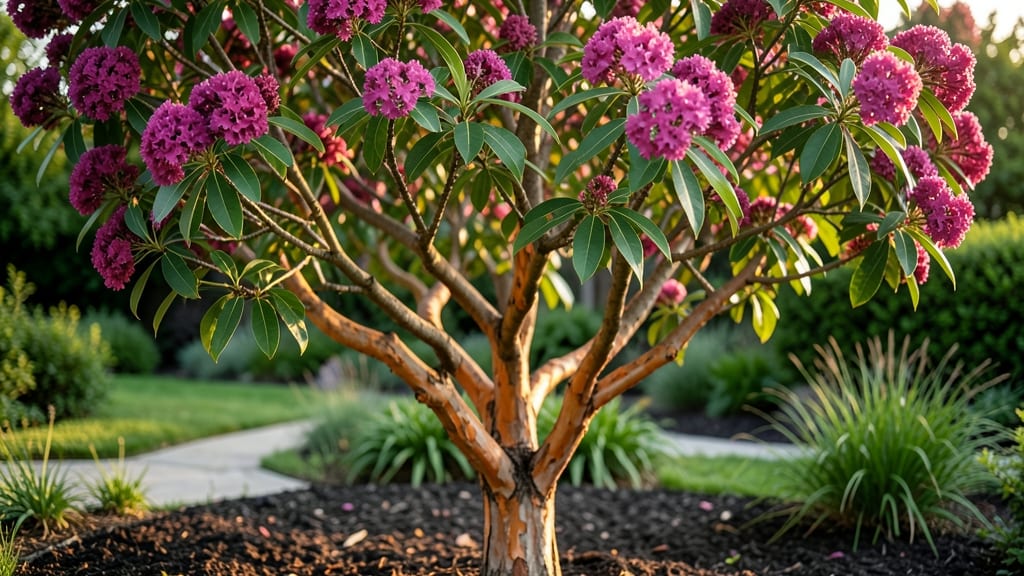
Growing crepe myrtles in California means vibrant blooms that last from summer through fall—if you prune them right. 🌸 I’ve watched these drought-tolerant trees go from leggy messes to showstopping focal points in just one season, and the secret isn’t complicated: it’s timing, technique, and knowing how to adapt for your specific climate zone.
California’s diverse regions demand different approaches—coastal areas with milder winters need lighter pruning, while inland zones with hot summers benefit from aggressive shaping.
The right soil (well-draining, slightly acidic) and sunlight (full sun, no compromise) set the foundation, but it’s the pruning schedule that makes the difference between a tree that just survives and one that thrives.
By late winter, you’ll see fresh green growth where last year’s blooms once were, and those bold summer flowers will return even more spectacularly.
The key is removing dead wood in early spring, shaping in summer after blooming, and giving them a final trim in fall to prep for winter—no matter where you are in the state.
Even in drought-prone areas, crepe myrtles stay resilient once established. Varieties like ‘Natchez’ (white) or ‘Muskogee’ (purple) handle California’s extremes beautifully, and with the right care, your tree could outlast three generations of gardeners. Let’s get those shears ready!
📚 In This Guide
- What you need
- Instructions
- Tips and common mistakes
- Wrapping up and next steps
What you need
- ● Pruning shears or loppers: Bypass pruners (for small branches, ¼"–½" cuts) or loppers (for thicker branches, ¾"–1½" cuts). Sharpness is key—dull tools crush branches!
- ● Hand saw: Pruning saw with a curved blade (for branches 1½"–3" thick). Look for carbon steel for durability.
- ● Gloves: Heavy-duty gardening gloves (cut-resistant, like mechanics' gloves, to protect from thorns and rough bark).
- ● Disinfectant: 70% isopropyl alcohol or a pruning sealant (to prevent disease spread between cuts).
- ● Ladder or step stool: Sturdy, extension ladder (for trees over 6–8 feet tall) or a foldable step stool (for shorter trees). Safety first—secure the ladder on stable ground!
- ● Heavy-duty trash bags: 30–50 gallon bags for collecting pruned branches and debris.
- ○ Marking twine or flags: Colored twine or small flags to tag branches for removal (optional but helpful for complex pruning).
- ● Pruning paint or sealant: For larger cuts (over ½"), use a tree wound dressing to protect exposed wood.
- ● Work boots or closed-toe shoes: Protect your feet from dropped branches or sharp tools.
- ● Safety glasses: Goggles to shield your eyes from debris or sap.
- ● Extension pole pruners: For high branches (up to 20 feet), reducing the need for a ladder.
- ● Notebook or app: Sketch your tree’s structure or use a pruning app (like iTree) to track progress.
Year-round pruning guide for California crepe myrtles
California’s mild climate means your crepe myrtle thrives year-round—here’s how to prune for maximum blooms and structure.
✂️ Step 1: Late Winter Cleanup (February-March)
Start by removing dead, diseased, or crossing branches—these compete for energy and invite pests. I use sharp, clean loppers to make cuts just outside the branch collar, where the branch meets the trunk. This prevents unsightly stubs that can rot over time.
Look for branches that rub against each other or grow inward—they’ll create weak entry points for disease. Thin these out first, even if they’re not dead. California’s dry winters mean less natural pruning from storms, so aggressive cleanup now sets the stage for summer blooms.
☀️ Step 2: Light Summer Pruning (June-July)
After the first flush of blooms, prune to shape the tree while preserving next year’s flower buds. These form on new wood, so avoid heavy cuts that remove current season’s growth. Instead, trim back overly long branches by ⅓ to encourage bushier growth.
Watch for water sprouts—those fast-growing, vertical shoots that steal energy. Snip them at the base immediately. In California’s heat, pruning mid-morning prevents stress from afternoon sun. Always sterilize your tools with rubbing alcohol between cuts to avoid spreading fungal spores.
🌿 Step 3: Post-Bloom Maintenance (August-September)
Remove spent flower clusters to redirect energy into next year’s blooms and new foliage. I use hand pruners to trim just above a leaf node, where new growth will emerge. This is also the time to thin out crowded branches—aim for an open center that allows air circulation and sunlight penetration.
If your tree looks leggy, select 2-3 strong branches per stem and prune the rest back to a lateral bud. California’s coastal areas may need less aggressive pruning, while inland heat zones can handle slightly heavier cuts. Always step back to check the tree’s shape—you want a balanced silhouette, not a lopsided crown.
⏰ Step 4: Minimal Winter Touch-Ups (December-January)
California’s mild winters rarely require heavy pruning, but you can do light shaping to remove any suckers or misplaced growth from the previous season. Avoid heavy cuts now—crepe myrtles bloom on new wood, and winter pruning can delay spring growth.
Focus on removing any branches that died back during the dry season. Make clean cuts at the branch collar, and dispose of diseased wood immediately. This is also the time to adjust your pruning strategy—if your tree struggled with blooms last year, you may need to reduce summer pruning to build up more flower buds.
Tips & tricks for perfect crepe myrtle pruning in California
Here's what nobody tells you about keeping your crepe myrtle thriving year-round in California's unique climate.
Seasonal Timing is Everything: The February-March cleanup is your most critical window—California's dry winters mean fewer natural pruning events from storms. I've seen trees that bloomed poorly because owners waited until spring to prune. Focus on removing deadwood first, then shape the tree while it's still dormant but before new growth starts. This gives your tree maximum energy for summer blooms.
Branch Collar Precision: When making cuts in Step 1, the branch collar (that swollen area where the branch meets the trunk) is your guide. I learned this the hard way after making flush cuts that left ugly wounds. Always cut just outside the collar—this prevents rot and encourages proper healing. Use sharp loppers and make clean cuts at a 45-degree angle to minimize damage.
Water Sprout Watch: Those fast-growing vertical shoots you'll spot in summer (Step 2) are energy vampires. Snip them immediately at the base—they won't regrow. I've seen trees with 10% of their energy going to these sprouts instead of blooms. In California's heat, prune water sprouts mid-morning to prevent stress from afternoon sun exposure. Sterilize your tools between cuts to avoid spreading fungal spores that thrive in our dry climate.
Regional Adjustments: Coastal California trees need gentler pruning than inland varieties. If you're near the coast, reduce your summer pruning by about 20% to avoid stressing the tree. Inland areas can handle slightly heavier cuts. The key is always to maintain that open center for airflow—crepe myrtles hate crowded branches. I adjust my pruning based on whether I'm in Santa Barbara or the Central Valley.
Pro Tips for Crepe Myrtle Tree California
- Here's what nobody tells you about keeping your crepe myrtle thriving year-round in California's unique climate.
- Seasonal Timing is Everything: The February-March cleanup is your most critical window—California's dry winters mean fewer natural pruning events from storms.
- Branch Collar Precision: When making cuts in Step 1, the branch collar (that swollen area where the branch meets the trunk) is your guide.
Frequently asked questions
Got questions about growing and pruning crepe myrtle trees in California?
You’re not alone! Here are answers to the most common queries to help you keep your trees thriving and blooming year-round.
When is the best time to prune crepe myrtle trees in California?
Prune your crepe myrtle late winter or early spring (just before new growth starts) for optimal results. Avoid pruning in fall—it can stimulate tender new growth that won’t survive winter. For light shaping, you can trim lightly after blooming, but avoid heavy pruning then.
Can I prune crepe myrtle trees in summer, or will it hurt their blooms?
Light summer pruning (like deadheading spent blooms) is fine, but avoid heavy pruning during summer. Heavy cuts can stress the tree and reduce next year’s flowers. Focus on removing dead wood or shaping in late winter/early spring instead. Think of it as a haircut, not a haircut and a face-lift!
Are crepe myrtle trees drought-tolerant enough for California’s climate?
Yes! Once established, crepe myrtles are highly drought-tolerant and thrive in California’s hot, dry summers. Water deeply but infrequently (about once a week in the first year, then monthly after that). Mulching helps retain moisture and reduce watering needs.
What pests or diseases should I watch for with crepe myrtle trees in California?
Keep an eye out for aphids, scale insects, and powdery mildew—common issues in California. Treat aphids/scale with insecticidal soap or neem oil. For powdery mildew, improve airflow (prune for better circulation) and avoid overhead watering. Prevention is key!
What’s a good alternative to crepe myrtle if I want a low-maintenance blooming tree?
Consider Texas sage (Leucophyllum frutescens) or California lilac (Ceanothus)—both are drought-tolerant, bloom beautifully, and require minimal pruning. If you love crepe myrtles but want something smaller, try the ‘Natchez’ or ‘Tonto’ varieties, which stay compact.
Wrapping up and next steps
Ready to transform your California landscape with stunning crepe myrtle trees? 🌸 Year-round pruning isn’t just about aesthetics—it’s your secret weapon for healthier growth, vibrant blooms, and long-term beauty.
By mastering the art of light, strategic cuts and understanding seasonal needs, you’ll enjoy a showstopping tree that thrives in the Golden State’s climate.
Now that you’re armed with the know-how, grab those pruners and get started! Start with a quick inspection of your tree, then tackle the first trim with confidence. Your future blooms—and your neighbors—will thank you! 🌿✨