
Pruning
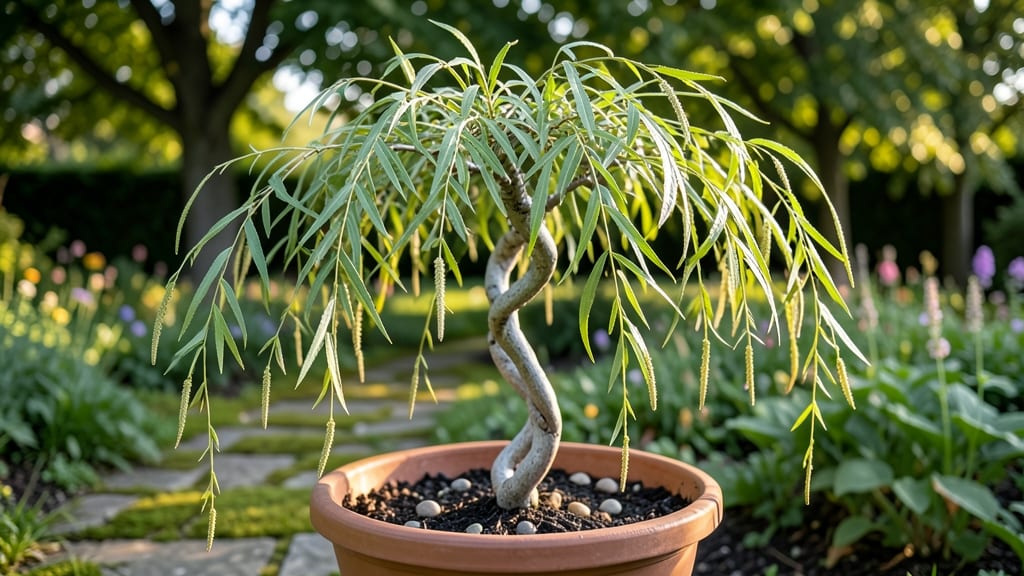
Those corkscrew willow tree pictures always remind me of something straight out of a fairy tale—twisted, elegant branches that turn any garden into living art. 🌿 I’ve watched mine dance in the breeze for years, and every time someone sees it, they ask how I got it to grow like that.
The secret? It’s all in the natural shape, but placement makes it shine.
This tree thrives near ponds or streams, where its cascading branches reflect beautifully in water. It also works as a dramatic focal point in cottage gardens or modern landscapes—just give it room to spread. Pair it with hostas for contrast, or let it stand alone as a conversation starter.
Seasonal interest keeps it stunning year-round: golden foliage in fall, delicate catkins in spring, and even winter structure when bare. The branches stay interesting even when not in bloom, making it a low-maintenance star for any garden style.
Whether you want a whimsical border or a bold centerpiece, this willow adds texture and movement that no other tree can match. Here’s how to make it the highlight of your outdoor space.
📚 In This Guide
- What you need
- Instructions
- Tips and common mistakes
- Wrapping up and next steps
What you need
- ● Camera: DSLR or mirrorless camera (or a high-quality smartphone with manual settings).
- ● Lens: Wide-angle (16-35mm) or macro lens (50-100mm) for close-ups of the twisting branches.
- ● Tripod: Sturdy tripod with a fluid head for stability, especially in low-light conditions.
- ○ Remote shutter: Optional but helpful for avoiding camera shake.
- ● Polarizing filter: Reduces glare and enhances colors in outdoor shots.
- ● Memory cards: High-capacity (32GB+) to store plenty of high-res images.
- ● Portable power bank: For extended outdoor shoots.
- ● Pruning shears: Sharp, bypass pruners (for small branches).
- ● Loppers: For thicker branches (1.5"–2" in diameter).
- ● Pruning saw: For larger branches (3"+ diameter).
- ● Hand pruners: Anvil-style for quick cuts (if needed).
- ● Disinfectant: 70% isopropyl alcohol or pruning sealant to prevent disease spread.
- ● Gloves: Heavy-duty gardening gloves for protection.
- ● Safety glasses: To shield eyes from debris.
- ● Ladder or step stool: For reaching higher branches (if needed).
- ● Mulch or compost: To replenish the soil after pruning.
- ● Reflectors: 5-in-1 collapsible reflectors to bounce light onto the tree.
- ● Backdrop: Neutral-colored fabric or natural elements (e.g., moss, rocks) for studio-style shots.
- ○ Drone (optional): For aerial shots of the tree’s full structure (check local regulations!).
- ● Paint or chalk: To mark branches for pruning (if shaping the tree).
How to plant and care for a stunning corkscrew willow tree
This striking tree makes a bold statement in any landscape—here’s how to plant and nurture its signature twisted branches.
🪴 Step 1: Choose the Perfect Planting Location
Corkscrew willows thrive in full sun for at least 6 hours daily, so pick a spot with open sky and room to grow—these trees can reach 20-30 feet tall and 15-20 feet wide. Avoid areas with overhead power lines, as their graceful but dense branches will spread dramatically over time.
Check soil drainage before planting. Corkscrew willows tolerate moist soil but won’t survive waterlogged roots. If your yard holds water, amend the area with 2-3 inches of compost or plant on a slight mound to improve drainage. The tree’s natural habitat is near ponds or streams, so mimic that with consistent moisture.
🌱 Step 2: Dig the Hole and Plant Correctly
Dig a hole twice as wide as the tree’s root ball but no deeper—this prevents root suffocation. The top of the root ball should sit 1-2 inches above ground level to avoid rot. Gently loosen the roots if they’re circling tightly in the pot, which helps them establish faster in the soil.
Place the tree in the center of the hole and backfill with native soil, tamping lightly every 6 inches to remove air pockets. Water deeply to settle the soil around the roots. Mulch the base with 2-3 inches of organic mulch, keeping it 6 inches away from the trunk to prevent moisture buildup that causes rot.
☀️ Step 3: Water and Fertilize for Strong Growth
Water the tree deeply twice a week for the first month, then taper to once a week once established. Corkscrew willows love moisture but hate soggy roots—water only when the top 2 inches of soil feel dry. You’ll see new growth within 4-6 weeks if the tree is happy, with those iconic twisting branches developing as it matures.
Apply a balanced, slow-release fertilizer (10-10-10) in early spring to encourage vigorous growth. Avoid heavy nitrogen fertilizers, which promote leafy growth at the expense of those stunning twisted branches. Prune only to remove dead or crossing branches—never prune for shape, as it disrupts the tree’s natural artistry.
✂️ Step 4: Protect and Maintain Year-Round
In winter, mulch the base with an extra 2-3 inches of mulch to insulate roots from freezing temperatures. Corkscrew willows are hardy in USDA zones 4-9, but young trees may need winter protection in colder climates. Watch for signs of stress—yellowing leaves or stunted growth often mean the tree needs more water or better drainage.
This tree is low-maintenance once established, but keep an eye out for aphids or spider mites, which can infest the branches. Spray with neem oil if you spot sticky residue on leaves or tiny webs. The real magic happens as the tree matures—those spiral branches become more pronounced with age, creating a living sculpture that’s pure garden art.
Tips & tricks for perfect corkscrew willow tree planting
Here's what nobody tells you about getting those signature twisting branches off to the right start.
Location is Everything: That 6 hours of full sun is non-negotiable for developing the iconic spiral branches. I planted mine near my patio where it gets morning sun and afternoon shade—perfect balance. Watch for nearby trees casting shadows after noon, which can weaken the twists over time.
Root Ball Prep: When you're loosening those circling roots in Step 2, don't just pull at them—use your fingers to gently separate the roots outward. I learned this the hard way after my first tree's roots grew in tight circles underground. This simple step helps the roots spread properly and establish faster in the soil.
Mulching Strategy: That 2-3 inches of organic mulch isn't just decoration—it's insulation. In Step 2, make sure to keep it 6 inches away from the trunk to prevent rot. I've seen gardeners pack mulch right against the trunk, which can actually suffocate the tree. For extra winter protection in colder zones, add an extra inch of mulch in late fall.
Watering Wisdom: The twice-weekly watering in the first month is crucial, but timing matters too. Water deeply in the morning so the leaves have all day to dry out. Wet foliage at night invites fungal problems. After that first month, stick to the once-weekly schedule but always check that top 2 inches of soil—it should feel dry before watering again.
Pro Tips for Corkscrew Willow Tree Pictures
- Here's what nobody tells you about getting those signature twisting branches off to the right start.
- Location is Everything: That 6 hours of full sun is non-negotiable for developing the iconic spiral branches.
- Root Ball Prep: When you're loosening those circling roots in Step 2, don't just pull at them—use your fingers to gently separate the roots outward.
Frequently asked questions
Got questions about growing and maintaining your corkscrew willow tree? You’re not alone! Here are some of the most common queries—plus quick answers to help you keep those stunning, twisting branches in top shape.
How fast does a corkscrew willow grow?
A corkscrew willow (Salix matsudana 'Tortuosa') is a fast-growing tree, typically adding 12–24 inches per year under ideal conditions. In the first few years, growth can be even more aggressive, so regular pruning is key to shaping its dramatic, spiral branches. Give it plenty of space—these trees can reach 20–30 feet tall and wide!
When is the best time to prune a corkscrew willow?
Prune your corkscrew willow late winter or early spring (before new growth starts) to encourage healthy, twisted branches. Avoid heavy pruning in fall, as it can stimulate tender new growth that may not survive winter. Light shaping in summer is fine, but focus on removing dead or crossing branches to maintain its artistic form. Pro tip: Sterilize tools with rubbing alcohol to prevent disease!
Can a corkscrew willow survive in cold climates?
Yes! Corkscrew willows are hardy in USDA zones 4–8, making them great for colder regions. They tolerate frost and snow but may need winter protection for young trees (like wrapping the trunk with burlap). In extreme cold (<10°F), branches might suffer, but the tree usually recovers. Mulch the base in late fall to insulate roots.
What are some alternatives to a corkscrew willow?
If you love the drama but need a low-maintenance or smaller option, consider:
- Weeping Willow (Salix babylonica) – Fast-growing with graceful, trailing branches (but needs more space).
- Dwarf Corkscrew Willow (Salix caprea 'Pendula') – Compact (6–10 ft tall) with twisted stems.
- Japanese Snowbell (Styrax japonicus) – Deciduous with fragrant flowers and a unique, layered look.
- Contorted Filbert (Corylus avellana 'Contorta') – A shrub with zigzag branches (great for small gardens!).
Each offers a twisty, artistic vibe—just pick based on your climate and space!
Why are the leaves on my corkscrew willow turning yellow?
Yellowing leaves usually signal overwatering, nutrient deficiency, or pest issues. Check these fixes:
- Watering: Ensure soil is well-draining—willows hate soggy roots.
- Nutrients: Apply a balanced fertilizer in spring if soil is poor.
- Pests: Look for aphids or spider mites (spray with neem oil if found).
- Seasonal: Normal in fall, but early yellowing = stress.
If the problem persists, test your soil’s pH (ideal: 6.0–7.5).
Wrapping up and next steps
The corkscrew willow tree isn’t just a stunning addition to your garden—it’s a living masterpiece that blends nature’s beauty with artistic flair. 🌿 With its iconic twisted branches and minimal pruning needs, this tree offers both elegance and ease of care.
Whether you’re drawn to its dramatic silhouette or its low-maintenance charm, this tree is a fantastic choice for any outdoor space.
Ready to bring a touch of whimsy to your landscape? Start by sketching your garden layout or researching local nurseries to find a healthy young sapling. With a little planning, you’ll be enjoying the mesmerizing dance of its spiraling branches for years to come!