
Trees
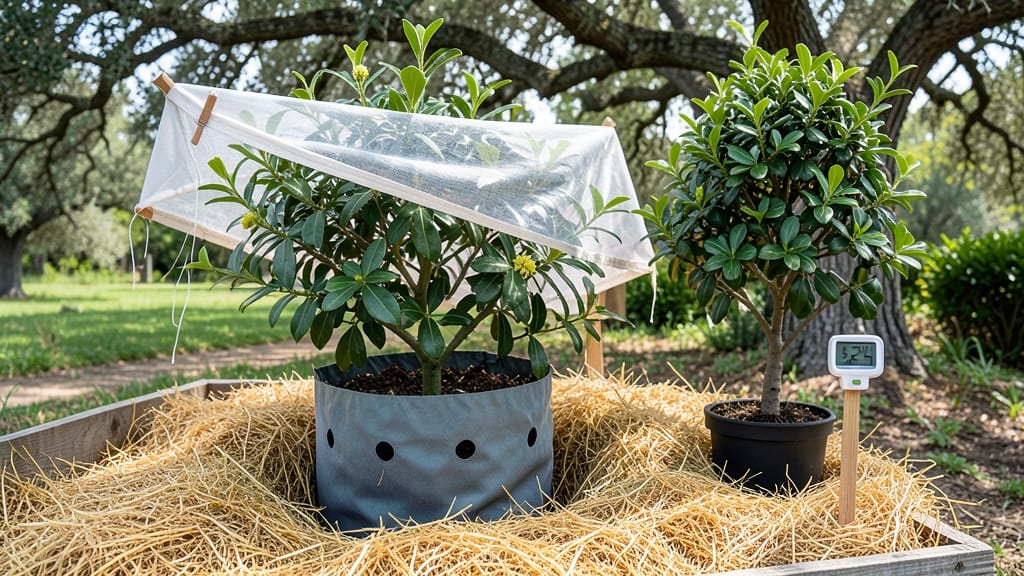
Cold hardy avocado trees in Zone 7 thrive best when planted in sheltered microclimates, using frost protection methods like mulching, wrapping, and container growing for young trees. Varieties like 'Wurtz' and 'Mexicola' tolerate brief cold snaps down to 18°F.
Growing avocados in Zone 7 is absolutely possible with the right strategies. 🌱 The key lies in selecting cold-tolerant varieties and creating a protected environment—think south-facing walls, raised beds, or even moving potted trees indoors during winter.
These frost-resistant types develop thicker leaves and deeper root systems, which help them withstand brief cold snaps better than traditional varieties. For best results, pair your chosen variety with a thick layer of mulch and consider using frost cloths during unexpected freezes.
What sets these cold-hardy avocados apart is their ability to recover from temperatures that would kill most tropical plants. 💛 While they can handle short dips to 18°F, prolonged exposure below 28°F will still damage the tree.
That's why microclimates—like sunny spots near buildings or slopes—are your best friend. Even with these precautions, young trees are most vulnerable, so container growing gives you the flexibility to move them to safety when needed.
💡 In This Article
- How Cold Hardy Avocado Trees Survive Freezing Temperatures
- Best Cold Hardy Avocado Varieties for Zone 7 Gardens
How cold hardy avocado trees survive freezing temperatures
Cold-hardy avocado varieties like 'Wurtz' and 'Mexicola' have evolved unique physiological adaptations to withstand brief cold snaps. One key feature is their thicker, waxier leaf cuticles that reduce water loss and prevent ice crystal formation in cells.
These leaves also contain higher levels of antioxidants like glutathione, which protect cellular membranes from oxidative damage during cold stress. 🌿 The roots of these varieties grow deeper—often reaching 6-8 feet—to access warmer soil temperatures and store more water for winter survival.
The temperature threshold of 18°F isn't arbitrary—it's the point where cellular damage begins. At this level, water inside plant cells starts to freeze, forming sharp ice crystals that rupture membranes.
Cold-hardy avocados produce special proteins called antifreeze proteins that lower the freezing point of water in their cells by 2-5°F, giving them a survival advantage.
However, when temperatures drop below 28°F for more than 4-6 hours, even these varieties struggle to recover, as prolonged cold causes irreversible damage to vascular tissues.
Microclimates play a crucial role in extending this survival range. A south-facing wall can raise temperatures by 5-10°F compared to open areas, while slopes and windbreaks reduce heat loss. The ground itself acts as a heat sink, radiating warmth back to the tree during cold nights.
That's why planting near buildings or using raised beds with 12-18 inches of mulch (like wood chips or straw) creates a 4-6°F warmer environment at the root zone—critical for young trees still establishing their root systems.
Container growing adds another layer of protection by allowing you to move trees indoors or to sheltered areas during hard freezes. The soil in pots stays 2-4°F warmer than ground soil because it's insulated by the container walls.
For young trees, this can mean the difference between survival and death during unexpected cold snaps. The trade-off is more frequent watering and potential root binding if containers aren't large enough (15-20 gallon minimum for young trees).
What most gardeners don't realize is how quickly avocado trees can recover from mild cold exposure. After a 18°F event, new growth often emerges within 3-4 weeks as the tree prioritizes regrowing damaged leaves and branches.
This resilience comes at a cost—trees may produce fewer fruits the following season as energy goes toward recovery. That's why experienced growers recommend pruning back any frost-damaged branches in late winter, just as new growth begins, to redirect the tree's energy toward fruit production.
For maximum protection, combine these strategies: plant in microclimates, use 4-6 inches of organic mulch, and wrap young trees in frost cloth during forecasted cold snaps below 32°F. The goal is to keep the tree's core temperature above 28°F—the point where cellular damage becomes critical.
With these precautions, cold-hardy avocados can thrive in Zone 7 for decades, producing fruit year after year. 🌱