
Pruning
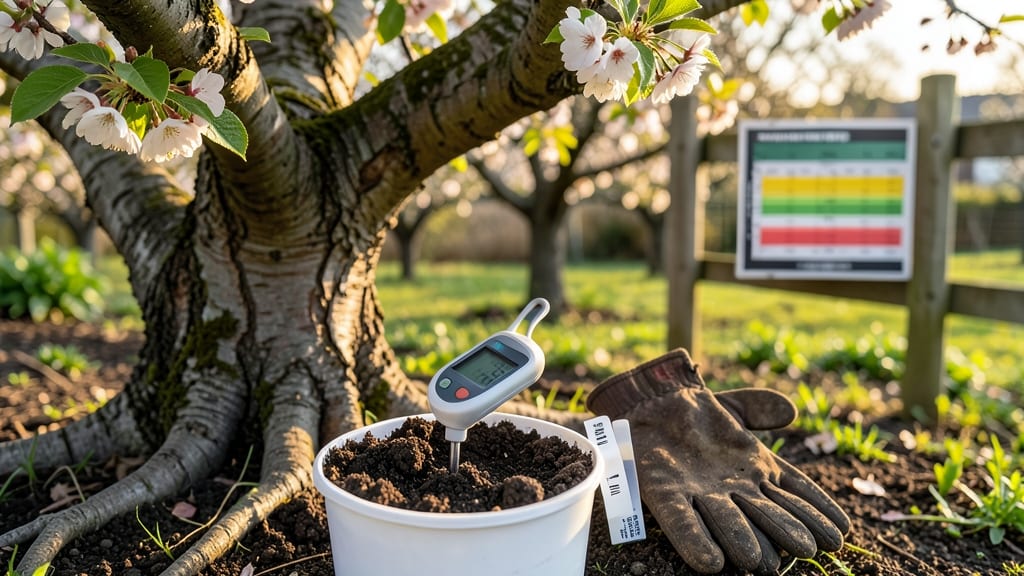
The ideal cherry tree soil pH is the foundation of a thriving orchard, whether you're growing sweet 🍒 or tart varieties.
Struggling with poor cherry tree fruit yields or mysterious leaf spots? The secret might be hiding in your soil’s pH—getting it wrong can mean the difference between a bountiful harvest and a struggling tree.
Most cherry trees prefer a slightly acidic to neutral range, but regional soils (like heavy clay or sandy loam) can throw off those numbers fast. Without the right balance, your tree fights nutrient deficiencies or fungal diseases before it even sets fruit.
In this guide, I’ll walk you through how to test your soil, adjust pH levels safely, and keep your cherry tree in the perfect zone for years to come—no guesswork required.
Optimal soil pH for cherry trees: exact levels by variety & region
Your cherry tree's health—and your harvest—starts with the right soil pH. Most varieties thrive in a slightly acidic to neutral range, but getting it wrong can lead to stunted growth, poor fruit set, or even tree death.
Understanding the ideal pH levels for your specific cherry type and region is the first step to a thriving orchard.
Regional soil naturally varies—clay-heavy soils in the Midwest often lean alkaline, while sandy soils in the Pacific Northwest stay acidic. Even within a single state, a 5-point pH difference can exist just miles apart. Testing your soil before planting ensures you’re not fighting an uphill battle from day one.
Here’s the breakdown of optimal pH ranges by cherry variety, along with regional adjustments to consider before amending your soil.
| Cherry Variety | Ideal pH Range | Regional Adjustments | Common Soil Issues |
|---|---|---|---|
| Sweet Cherries (e.g., Bing, Rainier, Stella) | 5.0–6.0 | Pacific Northwest: naturally acidic (4.5–5.5). Midwest: raise pH if above 6.5. | Alkaline soils → chlorosis (yellow leaves). |
| Tart/Sour Cherries (e.g., Montmorency, Morello) | 4.5–5.5 | Northeast: acidic (4.0–5.0). Southeast: check for clay (often alkaline). | Too alkaline → poor fruit development. |
| Hybrid Cherries (e.g., Lapins, Meteor) | 5.5–6.5 | California: neutral to slightly alkaline (6.0–7.0). Adjust downward if needed. | Over-acidic → aluminum toxicity. |
| Dwarf Varieties (e.g., Stella, Sweetheart) | 5.0–6.0 | Container gardens: test annually—pH drops faster in pots. | Compact roots → limited buffer capacity. |
*Test soil every 2–3 years or if trees show stress signs.
Sweet cherries like Bing and Rainier prefer a slightly acidic soil (5.0–6.0), while tart varieties such as Montmorency thrive in even more acidic conditions (4.5–5.5). Hybrid cherries are more flexible but still perform best in the 5.5–6.5 range.
If you’re in the Pacific Northwest, your native soil is likely already in the ideal range for tart cherries, but Midwest growers often need to add sulfur to lower pH.
Regional soil types play a huge role. For example, clay soils in the Midwest can push pH toward 7.5–8.0, making nutrients like iron and manganese unavailable. Meanwhile, sandy soils in the Southeast may stay below pH 5.0, risking aluminum toxicity.
Always test your soil before assuming it’s "close enough." A simple home pH test kit (around $10) or lab test gives you precise numbers to work with.
Testing is simple: Collect soil from 6 inches deep around the tree’s drip line, mix samples, and use a kit or send to a cooperative extension service. Aim to test in early spring or fall when soil is moist but not waterlogged.
If your pH is off by more than 0.5 points, it’s time to amend—but do it gradually to avoid shocking the roots.
For alkaline soils (pH >6.5), add elemental sulfur or peat moss to lower pH. For acidic soils (pH <5.0), use lime or wood ash sparingly. Remember, small adjustments (0.2–0.5 pH points per year) are safer than drastic changes. Overcorrecting can harm beneficial microbes and lock out essential nutrients.
Once you’ve adjusted your soil, monitor your cherry tree’s response. Healthy leaves should be vibrant green, and new growth should appear vigorous. If you notice yellowing between veins (chlorosis), your pH might still be too high.
Conversely, brown leaf edges could signal over-acidification. Keep records of your pH tests and amendments to track progress over time.
Pro tip: Mulch with pine needles or composted leaves to maintain acidity naturally, especially for tart cherries. Avoid fresh wood chips, which can rob nitrogen and alter pH unpredictably.
With the right pH, your cherry tree will reward you with bigger fruit, better flavor, and fewer pests—all while standing tall and proud in your garden. 🍒
How to adjust cherry tree soil pH: step-by-step fixes for acidic or alkaline soil
Adjusting your cherry tree soil pH is one of the most effective ways to boost fruit production and prevent disease. Most varieties thrive in slightly acidic to neutral soil (pH 4.5–6.5), but regional soil can push your tree’s pH outside this ideal range.
If your soil is too alkaline, nutrients like iron and zinc become locked away, causing yellowing leaves and poor fruit set. Conversely, overly acidic soil can lead to root rot and fungal issues. The good news? With the right amendments and timing, you can correct pH imbalances safely and effectively.
Before making changes, test your soil’s pH using a home soil test kit or send a sample to your local cooperative extension service. This ensures you apply the correct amendments without overcorrecting.
For acidic soil, focus on raising pH with lime or wood ash, while alkaline soil needs sulfur or peat moss to lower it. Let’s dive into the step-by-step fixes tailored to your cherry tree’s needs.
- 1 Test Your Soil: Use a pH meter or test kit to confirm your soil’s pH. Cherry trees prefer pH 4.5–6.5. If your reading is outside this range, note whether it’s too acidic (below 4.5) or too alkaline (above 6.5).
-
2
Choose the Right Amendment:
- For acidic soil (pH < 4.5): Use pelletized lime or wood ash to raise pH.
- For alkaline soil (pH > 6.5): Apply elemental sulfur or peat moss to lower pH.
-
3
Apply Amendments in Layers:
- Spread lime at 50–100 lbs per 100 sq ft for alkaline soil.
- Use sulfur at 2–4 lbs per 100 sq ft for acidic soil.
- Mix peat moss into the top 6 inches of soil for gradual pH adjustment.
- 4 Water Thoroughly: After applying amendments, deep-water the soil to activate the changes. Aim for 1–2 inches of water per week to help amendments integrate evenly.
- 5 Retest in 2–3 Months: Soil pH changes gradually. Retest after 8–12 weeks to confirm your adjustments. If needed, repeat the process with smaller doses to avoid overcorrecting.
- 6 Monitor Long-Term: Use organic mulch (like pine straw) to maintain soil acidity naturally. For alkaline soils, composted leaves can help stabilize pH over time.
Timing is critical when adjusting cherry tree soil pH. For best results, apply amendments in early spring (before bud break) or fall (after leaf drop). This gives the soil time to integrate amendments before the tree’s active growing season.
Avoid applying lime or sulfur during hot, dry periods, as it can stress the tree’s roots. If you’re working with clay soil, consider mixing in compost first to improve drainage before adjusting pH.
One common mistake is overcorrecting pH in a single season. Sudden shifts can disrupt nutrient availability and harm your tree. Instead, aim for small, gradual changes—typically 0.5–1 pH unit per year. For example, if your soil is at pH 7.5 and your goal is 6.0,