
Pruning
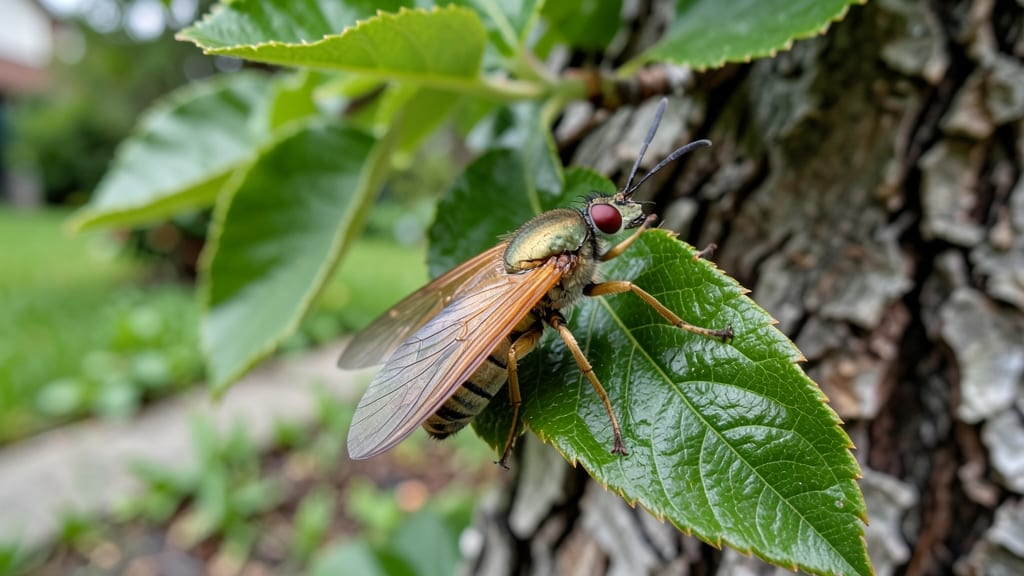
When the right cherry tree insect control stops pests in their tracks, your harvest stays safe. 🌿 I’ve watched entire harvests vanish to sawfly larvae and borers—until I learned the 3-step organic defense that works within days. The key isn’t just spraying; it’s timing, targeting, and preventing the next wave.
Most gardeners miss the early signs: curled leaves, sawdust-like frass, or tiny yellow larvae clinging to branches. I did too—until my neighbor’s tree stayed pest-free while mine suffered.
The difference? She sprayed neem oil at the first sign of aphids, while I waited until the damage was done. That’s when I realized prevention beats cure.
You’ll learn to identify the top 5 cherry tree pests and which organic spray works best for each—no harsh chemicals, just fast results. Within a week, your tree will look healthier, and those pesky larvae will be history.
The secret is consistency: treat early, monitor often, and keep your tree’s defenses strong year-round.
This works for backyard orchards, urban lots, and even container-grown cherries. Let’s get your tree back to producing those sweet, juicy fruits without the pest battles.
Root Causes Of Cherry Tree Pests
Understanding why insects target your cherry trees is the first step to effective, long-term control. These pests don’t strike randomly—they’re drawn by specific conditions that make your trees look like an all-you-can-eat buffet.
Let’s break down the real reasons your cherry tree is under siege and how nature (or human habits) sets the stage for infestations.
Cherry trees, like any plant, rely on a robust immune system to fend off pests. When that system weakens, insects move in like vultures at a buffet. Here’s what compromises their defenses:
- 🌡️ Stress from Environmental Factors Cherry trees under stress—whether from drought, extreme heat, or cold snaps—produce less sap and fewer defensive compounds like tannins (natural insect repellents).
Pests like Japanese beetles and cherry fruit flies detect this weakness and zero in on stressed trees first. - Actionable insight: Monitor soil moisture (aim for 1–1.5 inches of water per week) and mulch to regulate temperature. Avoid over-pruning, which can shock the tree.
- 🍄 Nutrient Deficiencies Trees lacking nitrogen, phosphorus, or potassium grow slowly and produce thin, tender leaves—perfect snacks for aphids, spider mites, and sawfly larvae.
Yellowing leaves (chlorosis) or stunted growth are red flags. - Pro tip: Conduct a soil test (available at local extension offices) and amend with compost or a balanced organic fertilizer (e.g., 5-5-5 NPK ratio).
- 🦠 Fungal or Bacterial Infections Diseases like brown rot or powdery mildew create entry points for secondary pests. For example, codling moths prefer trees already weakened by fungal spots.
- Quick fix: Prune infected branches immediately and apply copper fungicide (organic option) to prevent spread.
Cherry trees produce fruit that’s deliberately designed to attract animals for seed dispersal—but some of those animals are six-legged invaders. Here’s how fruit becomes a pest magnet:
- 🍒 Ripe Fruit = Open Invitation Soft, overripe cherries are a buffet for fruit flies, wasps, and beetles.
The sugars and fermenting compounds in ripe fruit release volatile organic compounds (VOCs) that pests can detect from yards away. - Solution: Harvest cherries promptly and remove fallen fruit from the ground (a single missed cherry can hatch hundreds of larvae).
- 🪓 Physical Damage from Hail or Birds Cracked or bruised cherries ooze sugary sap, which attracts fruit-feeding insects like oriental fruit moths.
Even bird peck marks can create entry points for pests. - Prevention: Use netting during peak ripening seasons to deter birds and row covers for young trees prone to hail damage.
- 🍄 Fungal Decay in Fruit Spoiled cherries (e.g., those with monilinia rot) emit ethanol and other fermentation byproducts that signal to pests: “Free meal here!”
- Organic remedy: Pick up all windfall fruit and compost it away from the tree (or freeze it to kill larvae).
Your yard might be unknowingly hosting pest hotels that encourage cherry tree infestations. Here’s how:
- 🍂 Leaf Litter & Debris Fallen leaves, old fruit, and wood chips create hibernation sites for overwintering pests like cherry bark tortrix moths and scale insects.
Even mulch piles can harbor eggs. - Cleanup tip: Rake up debris in a 3-foot radius around the tree in fall and spring. Bag and dispose of it (don’t compost if pests are present).
- 🌿 Overgrown Grass & Weeds Tall grass and weeds provide cover for pests like Japanese beetles and stink bugs, which then migrate to nearby cherry trees.
Some weeds (e.g., dandelions) even host aphids that spread to fruit trees. - Landscape hack: Maintain a 3-foot “pest-free zone” around the tree’s drip line. Use clover or creeping thyme (pest-repellent ground covers) instead of grass.
- 🪰 Wood or Stone Structures Near Trees Stacks of firewood, brick walls, or untreated wood chips can trap moisture and heat, creating ideal microclimates for pests like sawfly larvae and earwigs.
- Design fix: Store firewood at least 20 feet away from trees and avoid mulching with cedar chips (they release toxins that attract some pests).
Pests don’t just show up—they time their attacks based on cherry tree life cycles and weather patterns. Here’s when they strike:
- 🌸 Early Spring: Egg-Laying Peak Many pests (e.g., cherry fruit fly, plum curculio) time their egg-laying to coincide with bud break (when trees are most vulnerable). Warm, rainy springs accelerate hatching.
- Watch for: Sticky residue on leaves (aphid honeydew) or tiny white eggs on buds.
- ☀️ Summer Heat Waves Drought-stressed trees produce more sugar-rich sap, which attracts Japanese beetles and spotted wing drosophila. Heat also speeds up larval development.
- Heat defense: Deep-water trees during dry spells and use shade cloth if your region has extreme summers.
- 🍂 Fall: Overwintering Prep Pests like scale insects and borers lay eggs in tree bark crevices or mulch as temperatures drop. Cooler nights signal them to seek shelter. - Fall prep: Prune in late winter (not fall) to avoid disturbing overwintering pests.
Apply kaolin clay (a physical barrier) to trunks.
Key Takeaway: Pests exploit weakness, opportunity, and timing. By addressing these root causes—stress, fruit management, sanitation, and seasonal triggers—you’re not just treating symptoms; you’re starving the problem at its source. Next up: organic solutions to kick these critters to the curb for good.
Practical ways to treat cherry tree pests
Now that you know the common culprits behind cherry tree infestations, it’s time to roll up your sleeves and tackle them head-on! Whether you’re dealing with hungry caterpillars, sap-sucking aphids, or wood-boring beetles, these effective, organic solutions will help restore your tree’s health without harsh chemicals.
Below, we’ve mapped out cause-specific fixes, along with prevention tips to keep future pests at bay.
Fix: These munchers defoliate trees quickly, but you can outsmart them with physical removal and natural predators.
- 🔥 Handpick & Destroy
- Wear thick gloves and pluck caterpillars off leaves or nests (like silk tents) in the early morning when they’re sluggish.
- Drop them into soapy water (1 tsp dish soap per gallon) to kill them instantly.
- Pro Tip: 💡 If nests are high up, use pruning shears to snip and dispose of them in a sealed bag.
- 🍳 Bacillus Thuringiensis (Bt) Spray
- A bacteria-based spray (like Xentari or Dipel) that’s safe for humans and pets but deadly to caterpillars.
- When to apply: At dusk or dawn (avoid bees) and reapply after rain.
- How to mix: Follow label instructions—typically 1–2 tsp per gallon of water.
- 👨🍳 Encourage Natural Predators
- Parasitic wasps (like Apanteles) and birds (e.g., chickadees, bluebirds) love munching caterpillars.
- Install a birdhouse or native plant buffer near your tree to attract them.
- 🥘 Neem Oil Spray (For Heavy Infestations)
- Mix 1 tbsp neem oil + 1 tsp mild soap + 1 quart water in a sprayer.
- Spray undersides of leaves (where caterpillars hide) and reapply every 7–10 days.
Prevention Tips: ✅ Prune in late winter to remove old nests before eggs hatch. ✅ Plant companion flowers (like marigolds or dill) to attract beneficial insects. ✅ Avoid broad-spectrum pesticides, which kill predator insects too.
Fix: These tiny pests weaken trees by draining sap, but soapy water and horticultural oil work wonders.
- 🔥 Strong Spray of Soapy Water
- Fill a garden sprayer with 1 tsp mild liquid soap (like Castile) + 1 quart water.
- Spray directly on pests (especially leaf undersides) until leaves glisten.
- Best time: Early morning or evening to avoid harming bees.
- 🍳 Horticultural Oil (For Scale & Mites)
- Use refined oil (like Safer Brand Horticultural Oil) to suffocate eggs and adults.
- Mix: 1–2% oil concentration (check label) and spray when temps are above 50°F.
- Reapply every 7–14 days until pests disappear.
- 👨🍳 Introduce Ladybugs & Lacewings
- Buy ladybug eggs or adults online and release them near infested areas.
- Lacewings (sold as eggs or adults) are voracious aphid eaters.
- 🥘 Diatomaceous Earth (DE) for Crawling Pests
- Sprinkle food-grade DE around the tree base and on leaves (avoid overapplying—it can harm bees).
- Reapply after rain—it works by dehydrating insects.
Prevention Tips: ✅ Water trees deeply weekly to encourage strong growth (healthy trees resist pests). ✅ Use reflective mulch (like aluminum foil) to deter whiteflies. ✅ Avoid over-fertilizing with nitrogen, which attracts aphids.
Fix: These pests tunnel into bark and branches, but early detection and pruning can save your tree.
- 🔥 Prune & Burn Infested Branches
- Look for sawdust-like frass (beetle poop) or exit holes in bark.
- Cut 6–12 inches beyond the damaged area and burn or bag the wood (do not compost!).
- 🍳 Beneficial Nematodes (For Larvae in Soil)
- Apply heterorhabditis bacteriophora nematodes to the root zone to kill larvae.
- Best time: Spring or fall, when soil temps are 55–85°F.
- How to apply: Mix with water and drench the soil around the tree.
- 👨🍳 Kaolin Clay Spray (Physical Barrier)
- Surround WP (kaolin clay) creates a white film that repels adult beetles.
- Mix: 1–2 tbsp per gallon of water and spray every 2–3 weeks during flight season.
- 🥘 Boric Acid or Spinosad (For Severe Cases)
- Boric acid (1 tsp/gallon water) can be dripped into holes to kill larvae.
- Spinosad (like Captain Jack’s) is a natural bacterial spray effective against borers.
Prevention Tips: ✅ Inspect trees annually for new holes or sawdust piles. ✅ Apply tree wound paint to fresh pruning cuts to deter egg-laying. ✅ Plant trap crops (like peach or plum trees) to lure beetles away.
Even after treating an infestation, strengthen your cherry tree’s defenses with these low-effort habits:
- 💡 Mulch properly – Use 2–4 inches of organic mulch (wood chips) 3 inches from the trunk to retain moisture and deter pests.
- 🎯 Water deeply but infrequently – 1 inch per week (more in drought) encourages deep roots.
- 🌱 Fertilize smartly – Use a balanced organic fertilizer (like 10-10-10) in early spring.
- ✨ Prune for airflow – Remove crowded branches to reduce humidity (which pests love).
Final Reminder: 🔥 Act fast—the sooner you treat an infestation, the easier it is to control. Most organic methods take 2–4 weeks to show results, so stay consistent with sprays and checks!
With these practical, chemical-free strategies, your cherry tree will be thriving (and pest-free) in no time. 🍒🌿
Frequently asked questions about cherry tree insect control
What are the first signs my cherry tree has an insect problem?
Watch for curled or discolored leaves, tiny white eggs on buds, or sticky residue (aphid honeydew) on branches. Sawfly larvae leave frass (sawdust-like droppings) on foliage, while borers create exit holes in bark. Check leaf undersides for yellow larvae or webbing.
Can I use neem oil on cherries before harvest?
Yes, but apply it at least 2 weeks before picking to avoid any residue. Neem oil works well against aphids, mites, and caterpillars—just mix 1 tbsp per quart of water with a drop of soap. Always spray in early morning or evening to protect bees.
How often should I inspect my cherry tree for pests?
Check your tree every 2 weeks during growing season (spring-fall), and monthly in winter for overwintering eggs. Focus on new growth, leaf undersides, and bark crevices. Early detection is key—most infestations start small and spread fast.
Are there any natural predators I can introduce to control pests?
Release ladybugs, lacewings, or parasitic wasps to target aphids and caterpillars. Install a birdhouse to attract insect-eating birds like chickadees. Plant companion flowers (marigolds, dill) near your tree to attract these helpful predators naturally.
What’s the best time of year to treat cherry tree pests?
Start treatments in early spring (before buds open) to catch overwintering pests. Reapply after rain or every 7–14 days during active growing season. For borers, late summer is ideal—target adult beetles before they lay eggs.