
Pests and Diseases
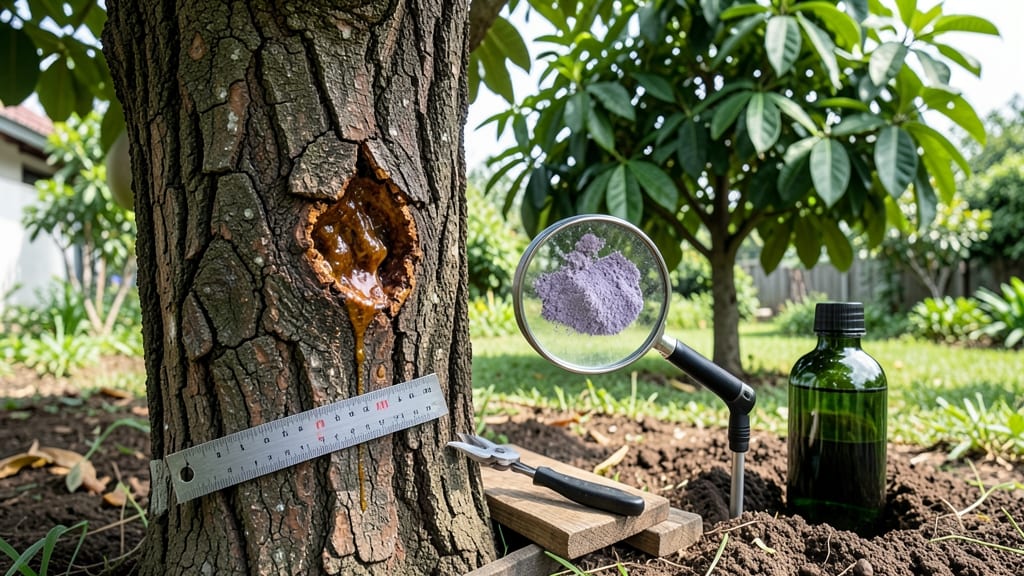
Mango tree bark disease turns your golden harvest into a nightmare of cracked, oozing branches. 🌿 I’ve seen anthracnose and bacterial canker ruin fruit trees in just months—until I learned the early warning signs: sunken, discolored patches that ooze when touched.
The good news? Catching it early means saving your tree with simple treatments.
Most bark diseases start with wounds—whether from pruning cuts, storm damage, or even insect bites. Fungal spores lurk in humid air, while bacteria spread through rainwater.
My first mistake was ignoring small lesions until they became weeping sores. Now, I inspect my trees every 2 weeks during rainy seasons, especially after storms.
Once you spot the damage, act fast: prune infected branches 6 inches below the lesion, sterilize tools with rubbing alcohol, and apply copper fungicide or neem oil. For bacterial canker, a mix of 1 part bleach to 9 parts water (applied carefully) can help.
The key? Consistency—repeat treatments every 2 weeks until new growth appears.
Prevention is easier than cleanup: keep the trunk dry, avoid overhead watering, and seal fresh pruning cuts with tree wound paint. If your tree’s bark keeps peeling or oozing despite treatment, call an arborist—some infections need systemic fungicides or even removal to protect nearby trees.
Root Causes Of Bark Damage
Mango tree bark disease isn’t just one problem—it’s a mix of environmental stressors, microbial invaders, and tree health factors working together. Understanding the why behind these issues is the first step to stopping them in their tracks.
Let’s break down the key culprits and how they weaken your mango tree’s protective skin.
Fungal pathogens are the #1 cause of mango bark disease, thriving in warm, humid conditions that tropical climates (like those perfect for mangoes) love to provide. The most notorious offenders include:
- **Anthracnose (Colletotrichum gloeosporioides) - This fungus attacks young bark and wounds, causing dark, sunken lesions that ooze gum-like sap.
It spreads via rain splash, contaminated tools, or infected pruning debris**. - Why it happens: High humidity (above 75%) and poor air circulation create the perfect breeding ground. Weakened trees—often due to nutrient deficiencies or physical stress—are especially vulnerable.
- **Botryosphaeria (Botryosphaeria spp.)
- Known for causing
- Why it happens: Improper pruning techniques (e.g., jagged cuts leaving exposed wood) and waterlogged soil (which stresses roots) invite this pathogen in.
Infected bark turns brown, mushy, and peels away easily. - Why it happens: Poor drainage, overwatering, or flooding create the anaerobic (low-oxygen) soil conditions this pathogen craves.
While less common than fungi, bacteria can also colonize wounds and bark, leading to bacterial cankers or gumming diseases. The usual suspects:
- **Pseudomonas (Pseudomonas syringae) - Causes water-soaked lesions that turn brown and ooze bacterial ooze (a yellowish, sticky fluid).
These spots can expand rapidly in wet, windy conditions**. - Why it happens: Physical damage (e.g., hail, tools, or animal scratches) provides entry points. Overhead irrigation (which keeps leaves wet) spreads bacteria like wildfire.
- **Xanthomonas (Xanthomonas campestris) - Leads to bacterial black spot, where dark, greasy spots appear on bark and leaves.
Infected areas may bleed sap** and drop prematurely. - Why it happens: Contaminated water (from reused buckets or infected runoff) or insect vectors (like thrips) spread this pathogen.
Your mango tree isn’t just fighting microbes—it’s also battling environmental conditions that weaken its defenses:
- Extreme Temperature Swings
- Sudden heatwaves or cold snaps (below 40°F or above 100°F) crack bark, creating wounds where pathogens can enter. Young trees are especially sensitive.
- Actionable fix: Use mulch to regulate soil temperature and avoid planting in frost-prone microclimates.
- Poor Air Circulation
- Dense foliage or overcrowded orchards trap moisture, promoting fungal spores. Stagnant air = slower drying = more disease risk.
- Why it happens: Mango trees left unpruned or planted too closely suffer from "wet canopies" for longer periods.
- Nutrient Deficiencies
- Lack of potassium (K) or calcium (Ca) weakens bark structure, making it more prone to splitting and infection.
- Signs to watch: Yellowing leaves (potassium deficiency) or blossom-end rot-like symptoms on bark.
Human (or animal!) errors often kickstart bark disease by creating entry points:
- Improper Pruning
- Jagged cuts, too-close trimming, or using dirty tools introduce pathogens. Pruning wounds should be clean, sloped, and disinfected with a 10% bleach solution.
- Why it happens: Many growers prune during wet seasons or use unsterilized shears, inviting infections.
- Mechanical Injury
- Lawnmowers, weed whackers, or animal bites (e.g., deer, rodents) tear bark, exposing the tree to microbes.
- Why it happens: Neglected orchard edges or lack of barriers (like fencing) lead to accidental damage.
- Improper Grafting or Propagation
- Poorly healed grafts or rooting cuts can develop cankers if not monitored. Using infected scions (grafting material) spreads disease.
- Why it happens: Rushing the grafting process or not using compatible rootstock weakens the union.
A stressed mango tree is like an open invitation to pests and diseases. Common stressors include:
- Overwatering or Underwatering
- Waterlogged soil = root rot + fungal entry. Drought stress = bark cracks from dehydration.
- Balance tip: Water deeply but infrequently (1–2 inches per week) and improve drainage with raised beds or sand amendments.
- Pest Infestations
- Scale insects, borers, or mites damage bark, creating wounds for pathogens. For example:
- Mango stem borers tunnel into trunk bark, leaving sawdust-like frass and weak spots.
- Why it happens: Lack of regular inspections or using broad-spectrum pesticides (which kill beneficial insects).
- Scale insects, borers, or mites damage bark, creating wounds for pathogens. For example:
- Soil-Borne Pathogens
- Nematodes or root-knot diseases weaken roots, reducing the tree’s ability to transport nutrients—leading to thin, brittle bark.
- Prevention: Solarize soil (cover with clear plastic for 4–6 weeks) or plant resistant rootstock.
Where and how you grow your mango tree directly impacts disease risk:
- High Humidity + Rainfall
- Regions with consistent humidity above 80% (like Southeast Asia or Florida) see explosive fungal growth.
- Solution: Prune for airflow, use fungicide sprays (like copper-based ones), and avoid overhead watering.
- Coastal Salt Spray
- Salty air (common near oceans) burns bark, making it susceptible to infections.
- Fix: Mulch heavily with organic matter and flush soil with fresh water periodically.
- Urban Pollution
- Acid rain or industrial pollutants weaken bark’s natural defenses.
- Mitigation: Buffer with lime (if soil is acidic) and plant away from heavy traffic.
💡 Pro Tip: Early detection is key—regularly inspect bark for:
- Discoloration (black, brown, or yellow patches)
- Oozing sap (a sign of active infection)
- Cracking or peeling (stress or physical damage)
- Fungal growth (moldy or fuzzy textures)
Quick Fixes for Bark Damage
Reviving your mango tree’s health starts with targeted action. Bark diseases—whether caused by fungi, bacteria, or environmental stress—demand a mix of immediate fixes and long-term prevention. Below, we map common causes to practical solutions, so you can act fast and keep your tree thriving.
Signs: Dark spots, powdery white patches, or oozing lesions on the bark.
🔥 Step 1: Prune Infected Areas
- Use sterilized pruning shears (wipe with rubbing alcohol) to cut out dead or heavily infected bark—at least 6 inches below the visible damage.
- Dispose of clippings in a sealed bag (not compost) to prevent spread.
🍳 Step 2: Apply Fungicide
- Copper-based fungicides (like copper sulfate) or neem oil spray (1 tbsp neem oil + 1 tsp mild soap per liter of water) work well for early stages.
- For severe cases: Use systemic fungicides (e.g., propiconazole or trichoderma-based biofungicides) as directed on the label.
- Reapply every 7–14 days until new growth appears.
👨🍳 Step 3: Improve Airflow & Light
- Thin out dense foliage around the trunk to reduce humidity near the bark.
- Avoid overhead watering—water at the base instead.
💡 Pro Tip: If the disease keeps returning, the soil may be too wet. Test drainage and amend with sand or perlite if needed.
Signs: Oozing sap, sunken cracks, or dark, water-soaked patches.
🔪 Step 1: Clean & Sterilize Wounds
- Scrape off infected bark with a sterilized knife, exposing healthy tissue.
- Apply copper hydroxide paste or tree wound sealant to prevent further entry.
⏰ Step 2: Quarantine & Monitor
- Isolate the tree if possible to stop bacterial spread to other plants.
- Remove and destroy any fallen leaves or fruit near the tree.
🌡️ Step 3: Boost Tree Immunity
- Fertilize with phosphorus-rich compost (e.g., bone meal) to strengthen bark resilience.
- Avoid nitrogen-heavy fertilizers, which weaken defenses.
✨ Prevention Hack: After rain, spray the trunk with a 1% Bordeaux mixture (copper sulfate + lime) to deter bacteria.
Signs: Peeling bark, white or gray patches, or deep cracks from temperature swings.
🥗 Step 1: Protect from Extreme Conditions
- For sun scorch: Wrap the south-facing trunk (in hot climates) with light-colored burlap during peak sun (10 AM–4 PM).
- For frost cracks: Apply tree wrap in late fall to prevent rapid temperature shifts.
💪 Step 2: Mulch & Hydrate Properly
- Spread 3–4 inches of organic mulch (wood chips, straw) around the base (keep it 6 inches away from the trunk).
- Water deeply but infrequently—bark damage often comes from drought stress followed by sudden rain.
🎯 Long-Term Fix: Plant windbreaks (like fast-growing shrubs) to shield the tree from harsh winds.
| Action | How to Do It | Frequency |
|---|---|---|
| Inspect bark monthly | Check for spots, cracks, or ooze. | Every 4 weeks |
| Prune thin branches | Remove crossing or dense growth. | Once a year (dry season) |
| Sterilize tools | Wipe shears with 70% alcohol after use. | After every cut |
| Test soil moisture | Stick a finger 2 inches deep—if dry, water. | Weekly (dry climates) |
| Apply preventive spray | Neem oil or copper fungicide in spring. | Every 3 months |
Final Reminder: The key to beating bark disease is early action + consistent care. Once your tree recovers, keep up with pruning, fungicide sprays, and soil health—your mango tree will thank you with juicy, disease-free fruit! 🌱🍈
Frequently asked questions
What are the first signs of mango tree bark disease I should watch for?
Look for dark, sunken lesions that may ooze gum-like sap, peeling or cracked bark, or powdery white patches—these are classic early warning signs. Check the trunk and major branches every 2 weeks during rainy seasons, as humidity accelerates fungal/bacterial growth.
Can I save my mango tree if the bark disease has already spread to the trunk?
Yes, but act fast! Prune out infected areas 6 inches below the visible damage, sterilize tools with rubbing alcohol, and apply copper fungicide or neem oil every 7-14 days. For severe cases, consult an arborist—some infections may require systemic treatments or even tree removal to protect nearby plants.
How do I prevent bark disease from spreading to other trees in my orchard?
Isolate infected trees immediately, sterilize tools between uses (70% alcohol works well), and remove fallen leaves/debris around the base. Avoid overhead watering—always water at the soil level—and consider spraying copper fungicide as a preventive measure during humid months.
Is neem oil safe to use on mango trees with bark disease?
Neem oil is a natural fungicide and antibacterial agent that’s safe for mango trees when diluted properly. Mix 1 tablespoon neem oil + 1 teaspoon mild soap per liter of water and spray directly on infected areas. Reapply every 7-10 days until symptoms disappear—it’s especially effective for early-stage fungal infections.
Why does my mango tree keep getting bark disease even after treatment?
Persistent infections often stem from underlying issues like poor drainage, nutrient deficiencies (especially potassium), or repeated wounding (e.g., from improper pruning). Test your soil, improve airflow around the tree, and avoid overhead watering. If problems continue, consider a soil test and adjust your care routine accordingly.