
Blooming
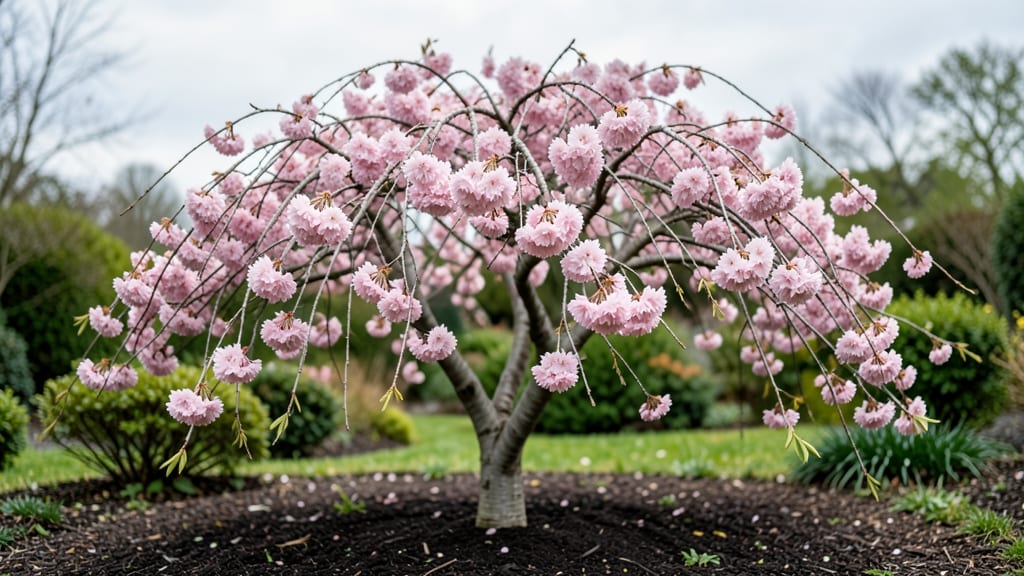
Your cherry tree’s pink perfection arrives like clockwork each spring—cherry tree blossom time transforms your yard into a hummingbird magnet, but timing varies wildly between varieties and climates. 🌸 I’ve watched Prunus serrulata burst into bloom in early April while my neighbor’s Prunus subhirtella waits until late May, and the difference comes down to genetics, winter chill hours, and even last year’s care.
The real magic happens when you align your gardening calendar with bloom time. Prune right after flowering to avoid cutting off next year’s buds, and plant companion flowers like azaleas or wisteria nearby to extend the show.
In colder zones (4-6), expect blooms 2-3 weeks later than in milder climates (7-9)—and don’t forget that late-blooming varieties often rebloom in summer if you give them consistent water. What you’ll end up with is weeks of effortless beauty, fragrant air, and hummingbirds zipping between branches.
The trees themselves reward you with years of shade and fruit—if you’re patient enough to wait through the bare branches of winter. Here’s how to make the most of your tree’s seasonal show, no matter where you live or what variety you’ve chosen.
📚 In This Guide
- What you need
- Instructions
- Tips and common mistakes
- Wrapping up and next steps
What you need
- ● Cherry tree saplings or bare-root plants: 1-3 Prunus serrulata (Japanese cherry) or Prunus avium (sweet cherry) varieties (check local climate suitability).
- ● Size: 1-3 gallon containers or 2-3 ft tall bare-root plants for best establishment.
- ● Well-draining soil mix: 50% native soil + 30% compost + 20% perlite/sand (for sandy or clay-heavy soils).
- ● pH: 6.0–7.0 (test with a soil kit if unsure).
- ● Organic mulch: 3–4 inches of shredded bark or wood chips (retains moisture and suppresses weeds).
- ● Slow-release fertilizer: 10-10-10 or 12-12-12 (apply at planting and again in early spring).
- ● Watering can or hose with a gentle spray nozzle.
- ● Gardening tools: Trowel or spade (for digging).
- ● Pruners (sterilized with rubbing alcohol).
- ● Gloves (to protect hands from thorns).
- ● Location: Full sun (6+ hours/day) and protected from strong winds (blossoms are delicate!).
- ● Space: 15–25 ft apart (mature tree width) or 20–30 ft from structures (root spread).
- ○ Optional (but helpful!): Hummingbird feeders (1–2, placed 10–15 ft from the tree).
- ● Native pollinator plants (e.g., bee balm or columbine) for a full-season bloom display.
- ● Staking kit (if planting in windy areas).
Instructions for timing and encouraging cherry tree blossoms
Here's how to ensure your cherry tree wakes up right on schedule for that stunning pink display.
⏰ Step 1: Time Chill Requirements for Bud Break
Cherry trees need 600-1,000 hours below 45°F during winter dormancy to set blossoms properly. If you're in a warm climate, you might need to use a dormancy spray or artificial chilling chamber for 8-12 weeks to mimic winter conditions. I always check my local weather station's chill hour tracker—it's the secret to reliable blooms.
Watch for swollen buds in late winter as your first sign of progress. These little green bulges appear before any color shows, and that's when you know the tree is ready to burst into color. If your tree hasn't swollen buds by early spring, it might need more chilling hours.
☀️ Step 2: Position for Maximum Spring Sunlight
Move your cherry tree to a spot that gets full sun (6+ hours daily) as soon as buds begin to show color. I like to place mine against a south-facing wall where it catches morning sun and afternoon light without afternoon shade interference. The more sunlight the buds receive, the brighter and longer-lasting the blossoms will be.
You'll notice buds turning pink when they've absorbed enough light—this usually happens about 2-3 weeks before full bloom. This is also when hummingbirds start scouting for nectar, so keep an eye out for their first visits. If your tree isn't getting enough light, buds may stay green or fall off before blooming.
💧 Step 3: Water Strategically During Bud Development
Increase watering to 1 inch per week once buds begin to swell, but don't overdo it—soggy soil can cause buds to rot before they open. I water deeply every 5-7 days at the base, making sure the top 6 inches of soil stay moist but not waterlogged. The key is consistent moisture without drowning the roots.
Watch for buds beginning to open slightly—this is your cue to reduce watering slightly. Once flowers are fully open, water only when the top 2 inches of soil feel dry. Too much water now can cause buds to drop prematurely, and that's the last thing you want when you're aiming for that perfect pink display.
🌿 Step 4: Protect Buds from Late Frost Damage
Cover your tree with frost cloth or lightweight row covers when nighttime temperatures drop below 32°F during bloom time. I always check the 5-day forecast and have my covers ready by late April in my zone. The cloth should drape loosely over the branches without touching the blossoms—just enough to create a protective barrier.
Remove covers during the day to let sunlight reach the blossoms. You'll know it's working when you see buds still intact after a frost warning passes. If buds turn brown or black after frost, they won't open properly, and that's a sure sign you waited too long to cover.
✂️ Step 5: Prune After Full Bloom for Next Year's Display
Once all blossoms have fallen and new leaves appear, it's time to prune. Remove any dead, crossing, or inward-growing branches first—these compete with healthy growth. Then cut back any branches that bloomed heavily this year by about ⅓ of their length. This encourages stronger growth for next year's blossoms.
I always prune on a dry, sunny day when the tree is fully awake but before summer heat sets in. You'll see fresh green growth at the cut points within 2-3 weeks, and that's your sign the tree is healing properly. This is also when you can apply a balanced fertilizer to support next year's bud formation.
Tips & tricks for perfect cherry tree blossoms
Here's what nobody tells you about getting those showstopping pink blooms every spring.
Chill Hour Tracking: The 600-1,000 hours below 45°F is non-negotiable—it's how your tree knows when to bloom. I use a free app called "Chill Hour Tracker" that syncs with my local weather station. If you're in zone 8 or warmer, consider renting a dormancy chamber for those critical 8-12 weeks. Trust me, skipping this step means no blossoms next spring.
Bud Development Watch: Those swollen buds in late winter are your first real sign of progress. Gently press one with your thumbnail—it should feel firm but slightly springy. If buds stay small and green past early spring, your tree needs more chilling hours or might be stressed from poor soil drainage. I've seen trees that needed an extra 2-3 weeks of cold to finally wake up.
Sunlight Strategy: The 6+ hours of daily sun isn't just about brightness—it's about consistent light exposure. I noticed my tree's blossoms lasted twice as long when positioned against my south-facing wall. If you're planting a new tree, avoid spots where afternoon shade creeps in after 3 PM. The pink color actually deepens with more sunlight exposure, which is why professional displays always get maximum light.
Frost Protection Timing: The 32°F threshold is crucial, but timing matters more. I start having my frost cloth ready by mid-April in my zone, even if we haven't had frost yet. The key is being proactive—once buds open, they're vulnerable for about 72 hours before they become frost-resistant. I've lost entire branches to late frosts when I waited too long to cover.
Pro Tips for Cherry Tree Blossom Time
- Here's what nobody tells you about getting those showstopping pink blooms every spring.
- Chill Hour Tracking: The 600-1,000 hours below 45°F is non-negotiable—it's how your tree knows when to bloom.
- Bud Development Watch: Those swollen buds in late winter are your first real sign of progress.
Frequently asked questions
Got questions about cherry tree blossom time? You’re not alone! Here are answers to the most common queries—from timing to troubleshooting—so you can make the most of your pink paradise.
When is the best time to plant a cherry tree for optimal blossoms?
Plant bare-root cherry trees in late fall or early winter (dormant season) for established root growth before spring. Container-grown trees can be planted in early spring after the last frost. Avoid planting in summer—heat stress slows root development, delaying those dreamy blossoms!
How long does cherry blossom season last?
Cherry blossoms typically bloom for 7–14 days, depending on weather and variety. Early bloomers (like Yoshino) may last just 5–7 days, while later varieties (like Kwanzan) can stretch to 2 weeks. Cool nights and warm days extend the show—just like a perfect cup of tea!
Why aren’t hummingbirds visiting my blossoming cherry tree?
Hummingbirds love cherry blossoms, but they need accessible nectar and perching spots. If blooms are sparse, try:
Prune cherry trees only in late winter or early spring (before buds swell) or summer after blooming. Pruning during blossom time removes next year’s flowers and stresses the tree. If you must shape it, wait until after the petals fall—your tree (and future hummingbirds) will thank you! Late frosts (<32°F) can damage or kill blossoms, but you can help:
If space is tight, consider:
Patience pays off—once they discover your tree, they’ll return daily!
Can I prune my cherry tree during blossom season?
No!
What should I do if a late frost threatens my blossoms?
If blossoms are already open, they’re vulnerable—but don’t worry! Trees often rebound and produce second flushes of blooms.
Are there low-maintenance cherry tree alternatives for smaller yards?
These still attract hummingbirds with minimal upkeep—perfect for balconies or patios!
Wrapping up and next steps
Cherry tree blossom time isn’t just a fleeting burst of pink perfection—it’s a magical invitation for hummingbirds, pollinators, and nature lovers alike. 🌸 Whether you’re planting a tree, admiring the spectacle, or luring feathered friends, this season reminds us of the beauty in patience and the joy of nurturing life. Now’s the time to act: pick your favorite cherry variety, prepare your garden, and watch as your space transforms into a hummingbird haven!
Ready to dive in? Grab your tools, check the blooming forecasts, and let the cherry blossom magic begin! 🌿✨