
How To
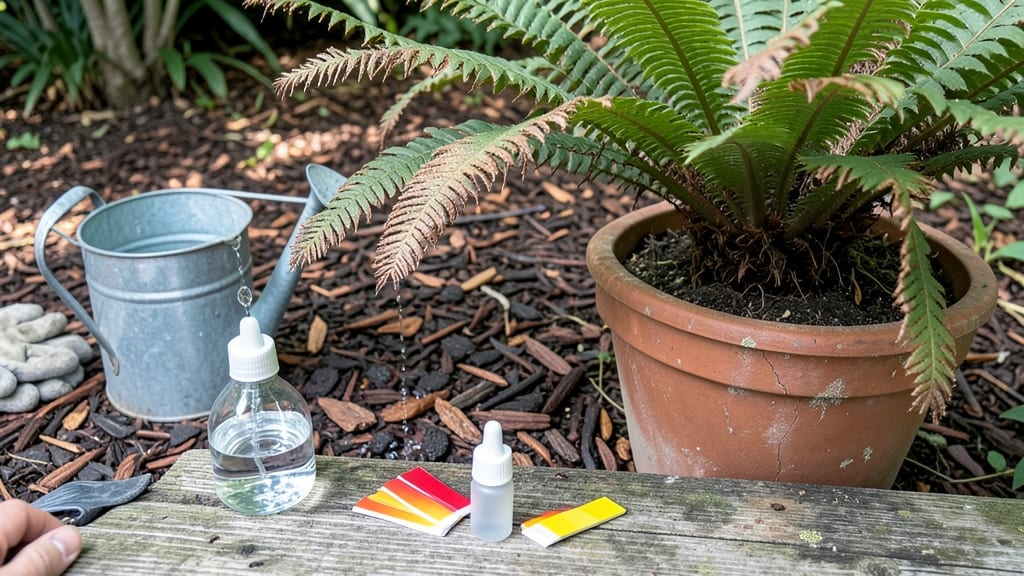
Those crispy brown tips on your Tasmanian tree fern aren’t just unsightly—they’re a cry for help from your plant. 🌿 I’ve nursed back more than my share of these ancient-looking beauties, and the fix always starts with understanding what’s stressing them out.
Overwatering, dry air, or mineral buildup from tap water are the usual culprits, but pests and fungal issues can sneak in too.
First, check your watering routine—these ferns hate soggy roots. Let the top inch of soil dry between waterings, and always use filtered or rainwater to avoid mineral buildup. If your home’s air is bone-dry (hello, winter heating!), mist the fronds lightly or run a humidifier nearby.
The goal is to mimic their native tropical humidity without drowning them.
Once you’ve adjusted care, it’s time for a little pruning science. Snip off the brown tips with clean scissors, but don’t overdo it—you’re not shaping a bonsai, just reviving growth.
Focus on the newer, healthier fronds to encourage fresh growth. With consistent care, you’ll see vibrant green tips pushing out in just a few weeks.
If the problem persists after a month, pests like scale or fungal issues might be lurking. Inspect the undersides of fronds and treat with neem oil if needed. When in doubt, a local nursery pro can help diagnose—sometimes it’s just a matter of tweaking one small thing.
Root Causes Behind Fern Stress
When your Tasmanian tree fern starts showing brown tips, it’s usually a cry for help from the plant itself. Understanding the underlying causes is the first step toward revival. Let’s break down the most common reasons—each with a clear explanation and actionable insights to address them.
Tasmanian tree ferns are tropical plants at heart, but they’re not fans of soggy roots or drought stress. Brown tips often signal an imbalance in hydration.
- Overwatering:
Excess moisture cuts off oxygen to the roots, leading to root rot and nutrient starvation. The tips turn brown as the plant struggles to transport water upward. Check the soil: if it’s damp more than an inch below the surface, you’re overdoing it.
- Underwatering:
Dry conditions cause the frond tips to desiccate (dry out) and crisp. Unlike overwatering, this damage is irreversible on the affected tips, but new growth can thrive if you adjust your routine.
- Hard Water Buildup:
If your tap water is high in minerals (like calcium or fluoride), it can leave residue on the fronds, blocking pores and causing tip burn. Brown edges may appear even with proper watering.
Actionable Fix: Water deeply but infrequently—aim for 1-2 times per week, letting the top 2-3 inches of soil dry out between sessions. Use rainwater or distilled water if hard water is an issue, and avoid wetting the fronds directly.
Tasmanian tree ferns thrive in humid, moderate climates (60–75°F / 15–24°C). Sudden shifts in temperature or low humidity can stress the plant, leading to brown, crispy tips.
- Cold Drafts:
Placing your fern near windows, doors, or AC vents exposes it to cold air, which can cause cellular damage in the frond tips. This is especially common in winter.
- Direct Sunlight or Heat Stress:
While these ferns enjoy bright, indirect light, direct sun (especially in summer) can scorch the tips, turning them brown and brittle. Heatwaves or indoor heating can also dry out the fronds faster than the roots can supply moisture.
- Low Humidity:
Airborne dryness (common in homes with central heating or air conditioning) pulls moisture from the fronds, causing the tips to brown and curl. Think of it like how your hair feels after a long flight!
Actionable Fix:
- Move your fern to a spot with bright, indirect light (east or north-facing windows are ideal).
- Use a pebble tray with water or a humidifier to maintain 50–70% humidity.
- Avoid placing it near heaters, vents, or drafty areas.
Brown tips can also signal that your fern isn’t getting the right nutrients. While these plants are hardy, they still need a balanced diet to grow lush and green.
- Low Nitrogen:
Nitrogen is crucial for leaf growth. A deficiency causes older fronds to yellow and new tips to brown or stunted. This often happens if you’re using a fertilizer too low in nitrogen (look for a 3-1-2 or 4-1-2 NPK ratio).
- Potassium or Magnesium Shortage:
Potassium helps regulate water and nutrient flow, while magnesium is key for chlorophyll production. Brown, dead tips (especially along the edges) can indicate a lack of these minerals. Yellowing between veins is a classic sign of magnesium deficiency.
- Over-Fertilization:
Too much fertilizer (especially salt-based ones) can burn the root tips, preventing water and nutrient uptake. The plant may show brown, crunchy edges as a result.
Actionable Fix:
- Use a balanced liquid fertilizer (like a 10-10-10 or 20-20-20) every 4-6 weeks during spring and summer. Dilute to half-strength to avoid overdoing it.
- For deficiencies, try a seaweed-based fertilizer (rich in magnesium) or Epsom salt solution (1 tbsp per gallon of water, applied monthly).
- Flush the soil with water every few months to remove excess salts.
Sometimes, the culprit isn’t environmental—it’s tiny and crawling. Pests and pathogens can stress your fern, leading to brown, dying tips.
- Spider Mites:
These microscopic pests suck sap from the fronds, causing stippling (tiny white/yellow dots) and brown, dry tips. They thrive in dry conditions, so low humidity makes your fern a buffet.
- Scale or Mealybugs:
These insects cluster on stems and undersides of fronds, draining nutrients. Infested areas may turn brown and sticky (from honeydew secretion).
- Fungal Infections (e.g., Root Rot or Leaf Spot):
Overwatering or poor air circulation can invite fungi like Phytophthora, causing brown, mushy tips or spots. Fungal spores spread easily in humid, stagnant conditions.
Actionable Fix:
- Inspect your fern: Use a magnifying glass to check for webs (mites), cottony patches (mealybugs), or scale-like bumps.
- Treat pests:
- Wipe fronds with a neem oil solution (1 tsp neem oil + 1 tsp mild soap per quart of water).
- Spray with insecticidal soap weekly until pests are gone.
- Fungal issues: Improve airflow, reduce watering, and treat with a copper fungicide or baking soda spray (1 tsp baking soda + 1 quart water + a drop of soap).
Pro Tip: 🔍 Keep a plant journal to track watering, light, and fertilizer changes. Noticing a pattern (like brown tips after moving the fern or using a new fertilizer) can help you pinpoint the exact cause faster!
Revive Your Fern Naturally
Brown tips on your Tasmanian tree fern (Dicksonia antarctica) can be frustrating, but with the right approach, you can nurse it back to health. Below are targeted solutions based on the most common causes—each with step-by-step fixes and prevention tips to keep your fern lush and thriving.
If your fern’s roots are soggy or the soil stays waterlogged, brown tips are a sign of root rot or oxygen deprivation.
How to Fix It: 🔥 Step 1: Check the Soil
Stick your finger 2–3 inches deep into the soil.
If it feels damp or smells musty, you’re overwatering. - Test for drainage: Fill a container with water, place it near your fern, and see how long it takes to drain. Ideal soil should release water within 30–60 minutes.
🍳 Step 2: Adjust Your Watering Routine - Water only when the top 1–2 inches of soil are dry (usually once a week in cooler months, every 5–7 days in summer). - Bottom-watering helps: Place the pot in a tray of water for 10–15 minutes, then drain excess.
This prevents soggy roots.
👨🍳 Step 3: Improve Soil & Pot Conditions
- Repot if needed: Use a well-draining mix (50% peat moss or coconut coir, 30% perlite/pumice, 20% orchid bark).
- Upgrade the pot: Ensure it has drainage holes and isn’t too deep (shallow pots dry faster).
🌡️ Prevention Tip:
- Mulch lightly with orchid bark or pine needles to retain even moisture without suffocating roots.
Tasmanian tree ferns hate direct sun—their fronds can scorch, leading to crispy brown edges.
How to Fix It:
🔥 Step 1: Move to Shade
- Ideal spot: Bright, indirect light (east or north-facing window, or 50% shade cloth outdoors).
- Avoid: South-facing windows or harsh afternoon sun.
🍳 Step 2: Trim Damaged Fronds
- Use sterilized pruners to snip brown tips at the base of the frond (where it meets the stem).
- Don’t cut healthy green tissue—only remove dead or crispy sections.
👨🍳 Step 3: Gradually Acclimate (If Moving Outdoors)
- If transitioning from indoors to outside, harden off by placing it in dappled shade for 1–2 weeks before full exposure.
✨ Prevention Tip:
- Rotate your fern every few weeks so all sides get even, gentle light.
Brown tips can also signal transpiration stress—when fronds lose too much moisture too fast.
How to Fix It:
🔥 Step 1: Increase Humidity
- Mist fronds lightly with room-temperature water 2–3 times a week (early morning is best).
- Group plants together or use a pebble tray with water nearby.
🍳 Step 2: Shield from Drafts
- Keep ferns away from AC vents, heaters, or open windows (especially in winter).
- Outdoor ferns? Use a windbreak (like a trellis or mesh screen) if in a breezy spot.
💡 Pro Tip:
- Hairspray trick (temporary fix): Lightly mist fronds with unperfumed hairspray to create a micro-climate—reapply every few days until new growth appears.
🎯 Prevention Tip:
- Wipe fronds with a damp cloth monthly to remove dust, which blocks moisture absorption.
If your fern lacks micronutrients (like magnesium or iron), brown tips can develop—especially on older fronds.
How to Fix It:
🔥 Step 1: Test Your Soil
- A simple DIY test: Mix 1 tbsp soil + 1 cup water, let sit 24 hours. If the water is yellow/brown, it’s nutrient-rich; if clear, it’s depleted.
🍳 Step 2: Fertilize Correctly
- Use a balanced, acidic fertilizer (e.g., 20-20-20 or fish emulsion) diluted to half-strength.
- Feed every 4–6 weeks in spring/summer—skip in fall/winter.
- Avoid chemical fertilizers (they can burn roots); opt for organic options like worm castings.
👨🍳 Step 3: Boost Soil Health
- Top-dress with compost (1 inch) annually to replenish nutrients.
- Add sulfur (if soil pH is too high—ideal pH for tree ferns is 5.5–6.5).
🌡️ Prevention Tip:
- Flush the soil every 6 months by watering thoroughly to wash out salt buildup from fertilizers.
If more than 50% of fronds are brown and crispy, your fern may be past saving—but you can propagate new growth!
How to Revive (or Propagate):
🔪 Step 1: Prune Aggressively
- Cut back all dead fronds at the base. If the crown (center) is still green, new fronds will emerge.
⏰ Step 2: Repot in Fresh Soil
- Remove the fern from its pot, rinse roots gently, and trim any mushy roots (healthy roots are firm and tan).
- Repot in fresh, well-draining mix and water lightly.
🌱 Step 3: Encourage New Growth
- Place in high humidity (use a plastic bag with holes as a mini greenhouse for a few weeks).
- Be patient—new fronds may take 2–4 months to appear.
✨ Pro Tip:
- If the crown is black/mushy, the fern is likely dead. However, you can save a piece of the rhizome (underground stem) to propagate—plant a healthy section in fresh soil, and it may regrow!
Final Reminder: 🌿 Consistency is key! Ferns are low-maintenance but sensitive—stick to the right light, water, and soil, and your Tasmanian tree fern will bounce back with vibrant new growth in no time.
Frequently asked questions
Why are my Tasmanian tree fern tips turning brown but the rest of the frond stays green?
This classic "tip burn" pattern usually means underwatering or low humidity. The roots can't supply moisture fast enough to the frond tips, causing them to dry out while the center stays hydrated. Try misting the fronds daily and checking soil moisture—water when the top 1-2 inches feel dry.
Can I save my fern if most fronds are brown and crispy?
Yes! If the crown (center) is still green, prune all dead fronds back to the base and repot in fresh, well-draining soil. Create a humid environment with a plastic bag (remove when new growth appears). Give it 4-6 weeks—new fronds should emerge from the center.
Is hard water causing my fern's brown tips?
Mineral buildup from hard water blocks the frond pores, causing brown edges even with proper watering. Switch to rainwater or distilled water immediately. If that's not possible, collect water in a container and let it sit for 24 hours before using to reduce mineral content.
How often should I fertilize my Tasmanian tree fern?
Feed with a balanced, acidic fertilizer (like 20-20-20) every 4-6 weeks during spring/summer only. Dilute to half-strength to avoid burning roots. Skip fertilization in fall/winter when growth slows. Flush the soil every 6 months with water to prevent salt buildup.
What's the best way to check for pests on my fern?
Inspect the undersides of fronds and stems with a magnifying glass. Look for: tiny webs (spider mites), cottony patches (mealybugs), or brown bumps (scale). Wipe fronds with a neem oil solution (1 tsp neem + 1 tsp mild soap per quart of water) weekly until pests disappear.