
Pruning
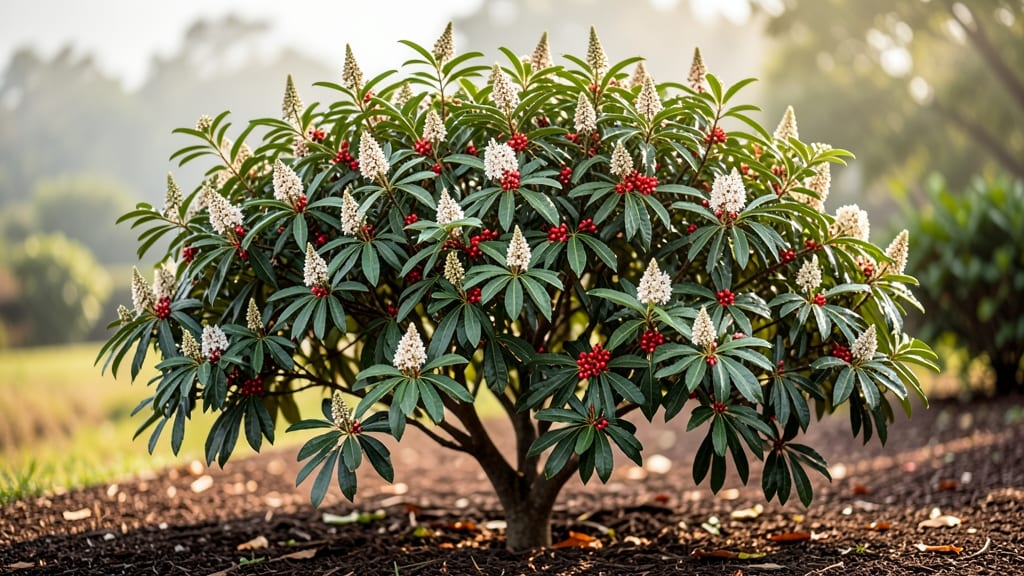
Pruning Brazilian pepper tree flowers keeps your tree lush and blooming year-round without losing those showy white clusters. ✨ I’ve learned that timing and technique make all the difference—cut too much, and you risk stunted flowers; skip it, and the tree gets unruly.
The secret lies in strategic cuts that encourage both shape and blooms.
You’ll need sharp pruning shears, a ladder (for taller trees), and a clear day to assess the tree’s structure. Focus on removing dead or crossing branches first, then thin out crowded areas to improve airflow—this prevents disease and lets sunlight reach inner blooms.
Most pruning happens in late winter or early spring, but light shaping can happen anytime.
After pruning, your tree will reward you with denser foliage and more flowers by summer. The blooms themselves are fragrant and attract pollinators, turning your tree into a living centerpiece. Just avoid heavy cuts in fall, as new growth won’t harden off before winter.
For best results, prune gradually—never more than a third of the tree at once. Over time, you’ll develop a rhythm that keeps your Brazilian pepper tree thriving, whether it’s a small patio tree or a towering landscape feature. Here’s how to do it right!
📚 In This Guide
- What you need
- Instructions
- Tips and common mistakes
- Wrapping up and next steps
What you need
- ● Pruning shears: Bypass pruners (sharp, clean, and sterilized with rubbing alcohol) for small branches (2–3 inches thick).
- ● Loppers: Heavy-duty bypass loppers (rated for 1–2 inches thick) for medium branches.
- ● Pruning saw: One curved-tooth pruning saw (for branches 2+ inches thick). Pro tip: 💡 Oil the blade beforehand to prevent gumming from sap!
- ● Gloves: Two pairs: One pair of cut-resistant gloves (for thorns) and one pair of gardening gloves (for comfort).
- ● Disposable pruning bags: One 5-gallon bag (to collect debris and prevent invasive spread).
- ● Rubbing alcohol (70%+) or bleach solution: Small bottle (for sterilizing tools between cuts).
- ● Ladder or step stool: Sturdy and tall enough to reach the tree’s canopy safely.
- ○ Pruning sealant (optional): One tube of tree wound sealant (for large cuts > ½ inch).
- ● Handheld leaf blower: To clear debris from the area post-pruning.
- ● Marking spray: Small bottle of biodegradable spray paint (to mark branches for removal).
- ● Safety glasses: To protect against flying debris or sap splatter.
- ● Notebook & pen: To jot down notes on cuts made (helpful for tracking growth!).
Step-by-Step guide to pruning Brazilian pepper tree flowers
Keep your tree lush and blooming with this simple year-round approach.
✂️ Step 1: Assess the Tree’s Growth Habits
Start by examining your Brazilian pepper tree in early spring, just as new growth begins. Look for thick, woody branches that are growing inward or crossing over others—these will compete for sunlight and air circulation. I always scan for dead or diseased branches too; they’ll show as brittle stems with no leaves or brown, peeling bark.
Run your hand along the branches to feel for smooth, healthy bark versus rough, cracked areas. The tree’s natural shape should have an open center with branches spreading outward. If you see dense clusters blocking light, those are your first pruning targets. Remember, you’re shaping the tree’s future—not just cleaning up what’s there.
✂️ Step 2: Prune for Structure in Late Winter or Early Spring
Use clean, sharp pruning shears to make cuts just above a leaf node or outward-facing bud. For larger branches over ½ inch thick, switch to a pruning saw and cut at a 45-degree angle about ¼ inch outside the branch collar (the swollen area where the branch meets the trunk). This prevents water from pooling and rotting the wound.
Remove up to 25% of the tree’s total foliage in this first pruning to avoid stressing it. Focus on branches growing toward the center or downward. You’ll see new growth buds along the remaining branches—these will become your tree’s future blooms. Avoid cutting into old wood; Brazilian pepper trees bloom on new growth, so you want to preserve as much healthy framework as possible.
☀️ Step 3: Light Maintenance Pruning During Blooming Season
As flowers appear in late spring through summer, prune lightly to encourage air flow. Remove spent blooms by cutting just above the next set of leaves to redirect energy into new growth. This also prevents seed pods from forming if you’re controlling spread—though I know some gardeners love the berries, they can weigh down branches.
Watch for water sprouts (thin, vertical shoots) that pop up after pruning. Snip these off at the base—they sap energy from the main structure. Keep your shears clean between cuts to avoid spreading disease. If you notice yellowing leaves, that’s often a sign of over-pruning or poor circulation, so adjust your cuts in the next session.
✂️ Step 4: Final Pruning in Late Fall
In October or November, do a final light pruning to remove any dead wood, crossing branches, or growth that’s crowding the center. This is your chance to tidy up before winter dormancy. Cut back any overly long branches by about ⅓ to maintain balance. The tree’s natural shape should emerge more clearly after this step.
Don’t prune too late in fall—new growth won’t harden off before cold weather. Instead, focus on cleaning up so the tree enters winter stronger. You’ll notice fewer leaves dropping in spring if you’ve kept the structure open all year. This final pruning sets the stage for next year’s blooms.
⏰ Step 5: Monitor and Adjust Year-Round
Check your tree monthly for signs of stress—wilting leaves, pest damage, or unusual growth patterns. If you see aphids or scale insects, treat with neem oil before they spread. Brazilian pepper trees are tough, but they’ll reward you with more flowers if you stay on top of small issues early.
Adjust your pruning schedule based on how the tree responds. Some years, you might need two light prunings instead of one heavy one. The key is consistency—never let the tree get overgrown between sessions. You’ll know you’re doing it right when you see new blooms appearing along the outer branches every season.
Tips & tricks for pruning Brazilian pepper tree flowers
Here's how to make pruning your Brazilian pepper tree a breeze while keeping those beautiful blooms coming year after year.
Timing is Everything: The late winter/early spring pruning in Step 2 is your most important session. This is when the tree is just waking up from dormancy and can handle the most aggressive shaping. I've seen trees completely transformed after just one good session during this window—it's when you can really reshape the framework without stressing the tree. The key is to do this before the new growth buds begin to swell noticeably.
Cutting Technique Matters: When you're making those 45-degree cuts for branches over ½ inch thick in Step 2, take your time. The branch collar is that swollen area where the branch meets the trunk, and it's crucial to leave that intact. I've made the mistake of cutting too close to the trunk, and it always leads to slower healing and potential rot. Think of it like making a clean surgical cut—precise and intentional.
Don't Over-Prune: The 25% foliage guideline in Step 2 is there for a reason—it's the tree's safety net. I've seen gardeners get overzealous and remove too much, which can shock the tree and reduce next year's blooms. Remember, you're shaping, not defoliating. If you're unsure, err on the side of caution and leave more foliage than you think you need.
Year-Round Maintenance: Those monthly checks in Step 5 are your secret weapon. I've noticed the difference between trees that get regular attention and those that get ignored until they're completely overgrown. The small adjustments you make during the year prevent the need for drastic measures later. Think of it like weeding—it's much easier to keep things under control than to fix a mess later.
Pro Tips for Brazilian Pepper Tree Flower
- Here's how to make pruning your Brazilian pepper tree a breeze while keeping those beautiful blooms coming year after year.
- Timing is Everything: The late winter/early spring pruning in Step 2 is your most important session.
- Cutting Technique Matters: When you're making those 45-degree cuts for branches over ½ inch thick in Step 2, take your time.
Frequently asked questions
Got questions about pruning Brazilian pepper tree flowers while keeping your tree healthy and blooming? Here are some of the most common concerns—and their answers!
When is the best time to prune Brazilian pepper tree flowers without harming blooms?
The ideal time to prune is late winter or early spring (before new growth starts) or right after flowering (summer). Avoid pruning in fall—this can stimulate tender new growth that won’t survive winter frosts. Light shaping can be done year-round, but heavy cuts should wait for dormant seasons.
Can I prune Brazilian pepper tree flowers during the blooming season?
Yes, but minimize heavy cuts while flowers are present. Focus on removing dead or diseased branches first, then trim lightly to maintain shape. Heavy pruning during bloom can reduce next year’s flowers, as the tree directs energy toward existing blooms. Save aggressive shaping for off-season.
Will pruning Brazilian pepper tree flowers affect next year’s blooms?
Pruning correctly won’t hurt future blooms—in fact, it can enhance them! The key is timing and technique. Prune to open the tree’s canopy for better airflow and sunlight, which encourages more flowers. Just avoid over-pruning (never remove more than 25% of the tree’s foliage in one session).
Are Brazilian pepper tree flowers safe for bees and pollinators?
Yes! These fragrant white flowers are a pollinator magnet, attracting bees, butterflies, and hummingbirds. Unlike some invasive species, Brazilian pepper trees don’t harm local ecosystems when well-maintained. Just ensure you’re not using pesticides that could deter pollinators while pruning.
What should I do if my Brazilian pepper tree isn’t flowering after pruning?
If your tree skips blooms, check these factors:
- Sunlight: Ensure it gets 6+ hours of direct sun daily—shady spots reduce flowering.
- Watering: Deep water 1–2 times weekly (more in droughts) but avoid soggy soil.
- Soil: Amend with compost for nutrients—pepper trees thrive in well-draining, slightly acidic soil (pH 5.0–6.5).
- Age: Young trees (<3 years) may not flower yet—be patient!
Wrapping up and next steps
The Brazilian pepper tree flower is a stunning addition to your landscape, and with the right pruning techniques, you can enjoy its beauty year-round without compromising its blooms. 🌸 By understanding seasonal needs, using the proper tools, and following best practices, you’ll keep your tree healthy, vibrant, and perfectly shaped.
Now that you’re equipped with the knowledge, grab those pruners and get ready to transform your outdoor space—one careful cut at a time!
🌿 Next Steps:
- Schedule a pruning session for your tree—whether it’s spring, summer, or fall, act now!
- Monitor your tree’s growth and adjust your approach as needed.
- Share your pruning triumphs (and blooms!) with fellow gardening enthusiasts.