
Pruning
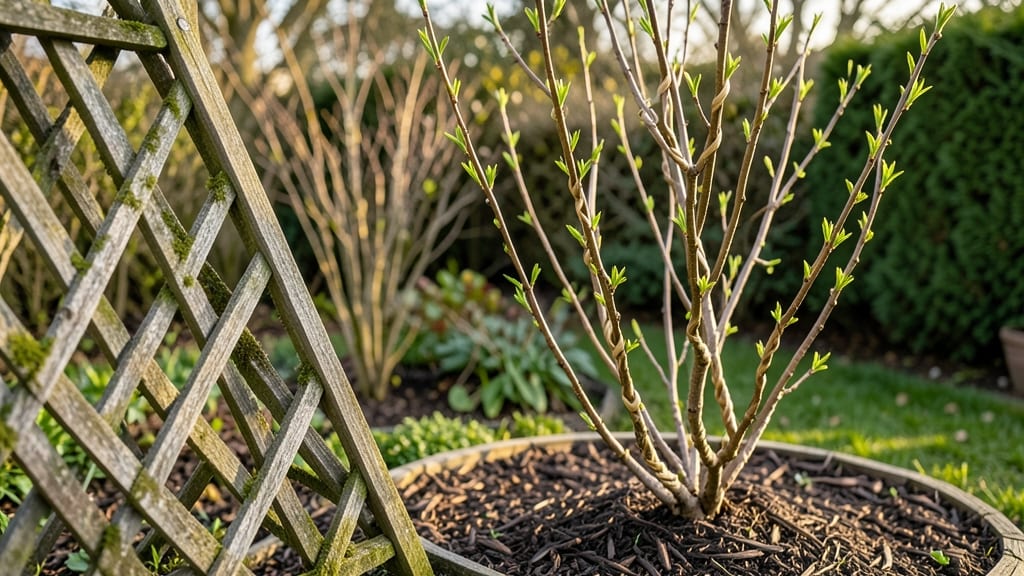
A full-grown braided willow tree 🌳 can reach 15 to 25 feet tall, with its signature cascading branches creating a breathtaking natural arch—but only if you plan for its dramatic growth from the start.
Picture this: a graceful, living sculpture framing your patio or water feature, its braided stems swaying in the breeze. But without the right spacing, this stunning tree can quickly become a space hog, crowding out other plants or even damaging structures as it matures.
Whether you're designing a backyard oasis or a small urban garden, understanding how tall these trees grow and how much room they need is the key to making them a harmonious (not overwhelming) centerpiece.
In this guide, I’ll break down everything you need to know—from mature height expectations to spacing rules—so you can plant with confidence and watch your braided willow tree thrive for years to come.
How tall does a braided willow tree grow full size?
A braided willow tree is one of nature's most striking ornamental plants, known for its graceful, intertwined branches that create a living sculpture.
When fully mature, these trees typically reach heights between 15 to 25 feet, though their exact size depends on several factors, including cultivar, growing conditions, and care. Understanding these variables helps you plan your garden layout to accommodate their dramatic growth potential.
For most gardeners, the first question is: "How tall will my braided willow tree grow?" The answer varies, but on average, you can expect a 10- to 20-foot tree within 3 to 5 years of planting, given optimal conditions.
Some dwarf varieties may stay shorter, while standard cultivars can reach closer to 25 feet in ideal environments. The key is balancing growth expectations with your landscape's available space.
| Factor | Details | Impact on Height |
|---|---|---|
| Cultivar | Standard varieties (e.g., Salix matsudana) | 15-25 feet |
| Growth Rate | 3-5 feet annually (young trees) | Faster in full sun and moist soil |
| Climate | USDA Zones 5-9, humid climates | Taller in warm, wet regions |
| Soil Type | Moist, well-draining, slightly acidic | Poor drainage = stunted growth |
| Pruning | Annual shaping in late winter | Encourages denser braiding |
One of the most exciting aspects of growing a braided willow tree is its rapid growth. In their first year, you can expect 2 to 3 feet of new growth, while mature trees add 3 to 5 feet annually under ideal conditions.
For example, a tree planted in spring with full sun exposure and consistent moisture could reach 10 feet by its third year. This rapid growth makes them a favorite for quick landscape transformations, but it also means careful planning is essential.
Your local climate plays a significant role in determining how tall your braided willow will grow. In humid, subtropical regions like Florida or Louisiana, these trees thrive and often reach their upper height limits of 20 to 25 feet.
Conversely, in drier or cooler climates like USDA Zone 5, growth may be slower, with mature heights closer to 12 to 15 feet. Always check your local frost dates, as late frosts can damage young shoots and slow overall growth.
Soil quality is another critical factor influencing a braided willow's mature height. These trees prefer moist, well-draining soil with a slightly acidic pH (around 6.0 to 7.0). Heavy clay soils or waterlogged conditions can stunt growth or even kill the tree, while sandy loam provides the perfect balance.
Amending your soil with compost or organic matter before planting ensures your tree has the nutrients it needs to reach its full potential height.
If you're considering planting a braided willow in a container, be prepared for slightly shorter growth. Container-grown trees typically max out at 10 to 12 feet due to root restriction, but they still offer the same stunning braided effect.
For in-ground planting, always allow at least 10 feet of space around the tree to accommodate its mature spread and prevent root competition with other plants.
For those who love experimenting with different varieties, some dwarf braided willows like Salix caprea 'Pendula' stay shorter at 8 to 10 feet, making them ideal for smaller gardens or patio plantings.
Meanwhile, standard varieties like Salix matsudana 'Tortuosa' can easily exceed 20 feet in optimal conditions. Always research the specific cultivar you're interested in to match it with your garden's size and design goals.
Regular pruning is key to maintaining your braided willow's health and encouraging its signature braided form. Prune in late winter or early spring before new growth begins, removing any dead or crossing branches. This not only keeps the tree looking its best but also promotes denser, more intricate braiding.
With proper care, your braided willow can become a stunning, long-lived centerpiece in your garden for decades to come.
When planning your landscape, visualize how a 20-foot-tall tree will look in relation to your home, patio, or other garden features. Braided willows work beautifully near water features, along fences, or as a dramatic focal point in large gardens.
Their cascading branches also create natural shade, making them an excellent choice for outdoor seating areas or play spaces for children.
Optimal spacing requirements for braided willow trees
When planning your landscape, proper spacing is essential for braided willow trees to thrive.
These trees can reach 15-25 feet tall at maturity, with a similar spread, so giving them room to grow prevents overcrowding and competition for nutrients. Science-backed guidelines recommend planting them 10-15 feet apart in-ground to ensure healthy development and maintain their iconic braided shape.
Root systems of braided willows are aggressive, spreading outward in search of moisture and nutrients. Without adequate space, roots can compete aggressively, leading to stunted growth or even tree decline.
This is especially critical in container planting, where root restriction demands even more careful spacing calculations to avoid stress.
| Planting Method | Minimum Spacing (Feet) | Key Considerations |
|---|---|---|
| In-Ground | 10-15 | Full root spread; avoid nearby structures |
| Container (Large Pots) | 6-8 (per tree) | Use pots ≥24" diameter; prune roots annually |
| Urban Patios (Small Spaces) | 3-5 (with pruning) | Regular structural pruning required; limit to 1-2 trees |
For container planting, calculate spacing based on pot size—each braided willow needs at least a 24-inch diameter pot to accommodate its root system. Place containers 6-8 feet apart to prevent root tangling.
In urban settings, prune aggressively to maintain shape and control growth, but never reduce spacing below 3 feet unless you’re willing to sacrifice long-term health.
Pruning plays a critical role in maintaining optimal spacing. Annual pruning in late winter or early spring removes 1/3 of old growth to encourage new, healthy branches. This not only controls size but also prevents root congestion by redirecting energy toward outward growth rather than dense root mats.
If you’re planting multiple braided willows, consider their mature canopy spread, which can reach 12-15 feet wide. This means spacing should account for both height and width—think of it like a circular buffer zone around each tree.
For example, planting three trees in a triangular formation requires 12 feet between each pair to avoid future crowding.
One common mistake is assuming smaller spaces will work with young trees. Braided willows grow 3-5 feet per year, so a 3-foot spacing today could lead to root competition within 2-3 years.
Always plan for the mature size, not the current size, to ensure your landscape remains healthy and visually balanced.