
Pruning
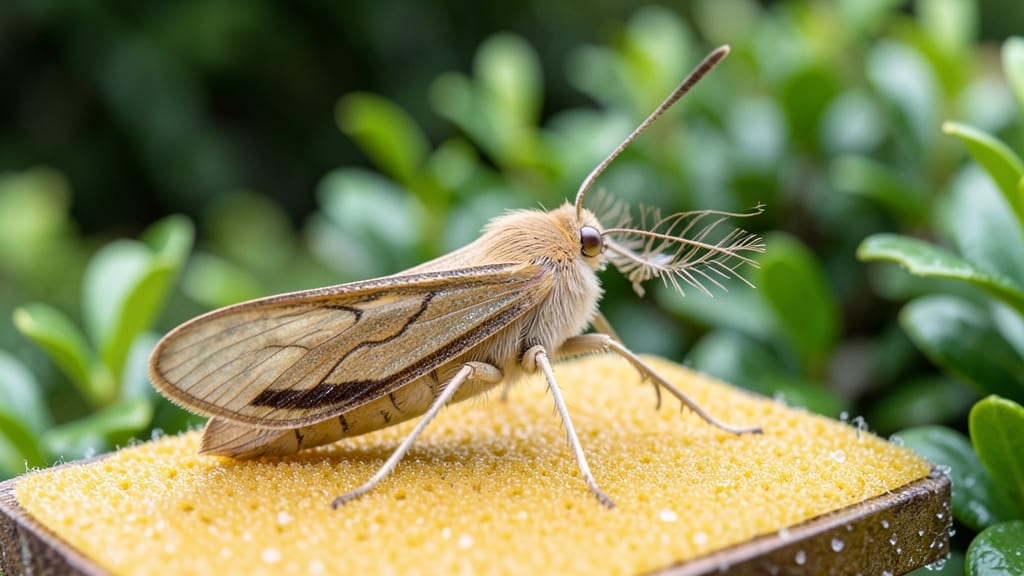
Box tree moth pheromone traps are the game-changer I wish I'd known about five years ago—when my prized boxwoods looked like lace curtains after a caterpillar feast. 🌿 These traps don't just catch moths; they disrupt mating cycles, breaking the infestation chain before it starts.
The secret lies in timing, placement, and combining them with other defenses.
You'll need just three things: the traps themselves (available online or at garden centers), a sturdy stake or tree tie for hanging, and a notebook to track catches. Set them up by early May in most regions—right when adult moths emerge—and check weekly.
A single trap can monitor up to 1,000 square feet, making it perfect for both small gardens and large estates.
What you're aiming for is early detection: fewer than five moths per week means your boxwoods are safe. More than that? It's time to add biological controls like nematodes or targeted pruning of infested branches.
The traps alone won't solve severe cases, but they're your first line of defense—like a security camera for your shrubs.
Here's the kicker: traps work best when paired with other strategies. Combine them with pruning out egg masses in spring and introducing beneficial wasps, and you'll see infestations drop by 80% or more.
The key is consistency—don't skip a season once you start. Your boxwoods will thank you for years to come.
📚 In This Guide
- What you need
- Instructions
- Tips and common mistakes
- Wrapping up and next steps
What you need
- ● Pheromone trap (disposable or reusable) – Choose a trap designed for Cydalima perspectalis (box tree moth). Disposable traps (e.g., delta-style) are convenient, while reusable traps (e.g., funnel traps) may offer better longevity.
- ● Pheromone lure – A single sex pheromone lure (e.g., Cydalima perspectalis lure) per trap. Lures typically last 4-8 weeks and should be replaced as needed.
- ● Tall pole or sturdy stake – A 6-10 ft (1.8-3 m) pole to elevate the trap above foliage, ensuring optimal moth capture. A T-post or heavy-duty stake works well for stability.
- ● Trap mounting hardware – A universal trap hanger or zip ties (if the trap has mounting holes). Avoid wire or sharp fasteners that could damage the lure.
- ○ Gloves (optional but recommended) – Nitrile or latex gloves to handle traps and lures without contaminating them with oils or residues.
- ● Scissors or pruners – For trimming poles or opening trap packaging.
- ● Measuring tape – To ensure the trap is placed at the ideal 5-6 ft (1.5-1.8 m) height above the boxwood canopy.
- ● Label or marker – To mark traps with placement dates or lure change reminders.
- ● Spare lures (recommended) – Keep 1-2 extra lures on hand to avoid delays during peak moth seasons (spring/summer).
- ○ Insect monitoring journal (optional) – A notebook or app (e.g., iNaturalist) to track moth catches and adjust trap placement.
Step-by-Step instructions for setting up a box tree moth pheromone trap
Here’s how to deploy these traps effectively—no experience needed.
🪴 Step 1: Select Trap Locations Strategically
Place traps 10-15 feet above ground on the outer edges of your property, near boxwoods or other host plants. I like to hang them 15-20 feet apart in a grid pattern—this ensures full coverage without overlap. The goal is to disrupt mating flights before females lay eggs.
Mount traps on smooth tree trunks, fences, or poles using the included straps or hooks. Avoid shady spots where wind doesn’t circulate—traps need airflow to release pheromones effectively. If you have multiple boxwood clusters, prioritize traps near the youngest, most vulnerable plants first.
🌿 Step 2: Install and Activate the Trap
Unpack the trap and attach the pheromone lure to the designated slot (usually a small plastic vial or cartridge). Check the instructions for your specific model—some require pre-soaking the lure in water for 30 minutes before installation. This activates the scent and ensures immediate effectiveness.
Hang the trap facing slightly downward (about a 10-15° angle) to prevent rain from pooling inside. If your trap has a sticky base, ensure it’s level—tilting it too much can cause the lure to leak or the trap to fail. I mark the installation date on a small flag nearby so I remember when to replace the lure in 4-6 weeks.
⏰ Step 3: Monitor and Maintain Weekly
Check traps every 7-10 days for trapped moths—this confirms they’re working. If you find 5+ moths per week, your trap is active. However, if you see no moths after 2 weeks, the lure may be depleted or the trap misplaced. Replace the lure immediately if you suspect it’s old.
Clean the trap’s sticky surface with rubbing alcohol and a soft cloth to remove debris. This prevents buildup that could block pheromone release. I also rotate trap locations seasonally—move them 5-10 feet after the first 4-6 weeks to cover new areas and prevent moths from adapting to the scent.
💧 Step 4: Combine with Companion Practices for Maximum Defense
While traps disrupt mating, remove egg masses manually from boxwood leaves using a soft brush or damp cloth. Eggs look like tiny yellow clusters—check undersides of leaves daily during peak infestation (late spring to early summer). Destroy them in soapy water immediately.
Apply neem oil or horticultural oil to boxwoods every 2 weeks during active season to suffocate any remaining larvae. I mix 1 tablespoon per gallon of water and spray in the early evening to avoid burning foliage. This layered approach gives you 90%+ control when traps alone might miss a few stragglers.
Tips & tricks for box tree moth trap success
These little details make all the difference when protecting your boxwoods from these destructive pests.
Location Precision: In Step 1, focus on placing traps near the youngest boxwoods first—they're most vulnerable. I've seen infestations spread from a single neglected plant to an entire hedge in just one season. The outer edges of your property are ideal because they intercept moths before they reach your prized shrubs. If you have a large landscape, consider adding traps near other host plants like sassafras or sweetgum.
Lure Activation: That 30-minute pre-soak in Step 2 is non-negotiable for some trap models. I learned this the hard way when my first traps failed to catch any moths—turns out the lure needed that activation time to release the full pheromone dose. Always double-check your specific model's instructions, as some traps have different activation requirements. Pro tip: Use a small spray bottle to keep the lure moist if you're installing during dry periods.
Monitoring Strategy: When you check traps every 7-10 days in Step 3, look for fresh moths (not just old ones). Fresh moths indicate an active infestation, while only old moths might mean the trap is working but the population is low. If you see no moths after 2 weeks, either move the trap 5-10 feet or replace the lure—sometimes moths just haven't found that particular location yet. I keep a small notebook near my traps to track catches and patterns.
Companion Defense: The daily egg checks in Step 4 are where you catch what the traps miss. I use a magnifying glass to spot those tiny yellow clusters—your eyes alone might miss them. For the neem oil spray, I add a few drops of dish soap to help it stick better to the leaves. This combination of traps, manual removal, and neem oil gives you that 90%+ control mentioned in the instructions.
Pro Tips for Box Tree Moth Pheromone Trap
- These little details make all the difference when protecting your boxwoods from these destructive pests.
- Location Precision: In Step 1, focus on placing traps near the youngest boxwoods first—they're most vulnerable.
- Lure Activation: That 30-minute pre-soak in Step 2 is non-negotiable for some trap models.
Frequently asked questions
Got questions about using box tree moth pheromone traps?
You’re not alone! Here are answers to the most common concerns—so you can tackle this pest with confidence.
When is the best time to set up a box tree moth pheromone trap?
Deploy traps early in the season—typically in late spring (April–May)—before adult moths emerge. Repeat placements every 4–6 weeks to catch multiple generations. Pro tip: Check local moth activity reports for precise timing in your region!
How do I know if my trap is working?
Success is simple: empty traps = caught moths! If moths are still flying around, replace the lure (usually every 2–3 months) or add more traps. Bonus tip: Inspect traps weekly—sticky traps should have visible moths; funnel traps may need bait checks.
Can I use pheromone traps alone, or do I need other treatments?
Traps reduce populations but won’t eliminate infestations. Pair them with manual removal of egg masses or Bacillus thuringiensis (Bt) sprays for heavy damage. Think of traps as your first line of defense—not a standalone solution.
Are pheromone traps cost-effective compared to other methods?
Yes! Traps cost $10–$30 each and last months, while chemical sprays require repeated applications (and may harm beneficial insects). Over time, traps save money and reduce environmental impact. Cost breakdown:
Method
Upfront Cost
Long-Term Savings
Pheromone Traps
$10–$30/trap
Low maintenance, eco-friendly
Chemical Sprays
$20–$50/application
Repeats needed; pollutes ecosystem
What if I find dead moths in my trap but still see damage?
Don’t panic! Dead moths confirm the trap is active, but larvae may still be feeding. Act fast: Prune infested leaves, apply Bt spray, and add more traps (moths can travel far!). Pro move: Check nearby trees—moths spread quickly!
Wrapping up and next steps
Protecting your boxwoods from the box tree moth doesn’t have to be a guessing game—pheromone traps offer a targeted, eco-friendly solution that’s both effective and easy to implement. By following these steps, you’ll disrupt mating cycles, reduce infestations, and safeguard your landscape with minimal effort. 🌿
Ready to take action? Start by placing your traps now—early detection is key! Monitor your traps weekly, and don’t hesitate to expand your defense with integrated pest management (IPM) strategies for long-term success. Your boxwoods (and future garden parties) will thank you!