
Pruning
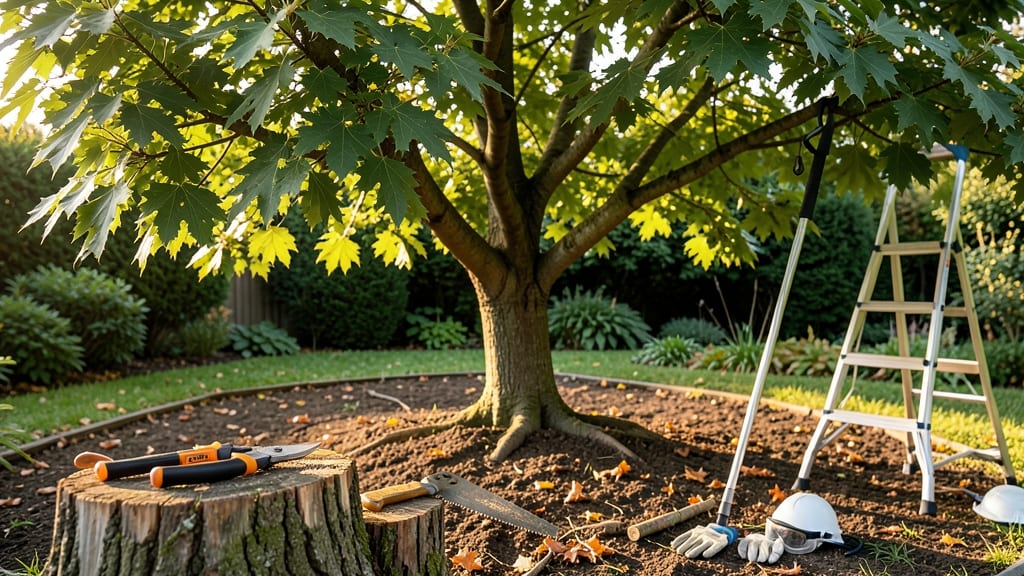
Pruning big trees isn’t just about trimming branches—it’s about giving your tree a second chance at strength. ✂️ I’ve watched my 30-foot oak go from a tangled mess to a sturdy, sunlit canopy just by learning when and how to cut. The key? Timing, technique, and knowing your limits.
You’ll need sharp tools (a pruning saw, loppers, and gloves), a ladder that won’t wobble, and a clear day to avoid slippery branches. Start by removing deadwood first—those dried-out limbs are just waiting to fall.
Then, thin the canopy to let light reach the lower branches, which keeps the whole tree healthy.
After a few strategic cuts, you’ll see roots strengthen and new growth fill in gaps. The tree won’t just look better—it’ll last longer, resist storms, and even produce more shade. Plus, you’ll avoid the heartbreak of a snapped limb ruining your deck or roof.
For trees over 50 feet or with rot in the trunk, call an arborist—some jobs aren’t worth the risk. But for most backyard giants? This method works every time. Let’s get those branches under control.
📚 In This Guide
- What you need
- Instructions
- Tips and common mistakes
- Wrapping up and next steps
What you need
- ● Pruning Shears: Bypass pruners (for cuts up to ¾ inch) – 2 pairs (one for you, one backup). Look for bypass blades for clean cuts.
- ● Loppers: Heavy-duty loppers (for cuts up to 2 inches) – 1 pair with long handles (24+ inches) for reach.
- ● Pruning Saw: Curved-tooth pruning saw (for branches 2+ inches thick) – 1 with a comfortable grip and sharp teeth.
- ● Pole Pruner: Extendable pruner (for high branches) – 1 with a 30+ foot pole and locking mechanism.
- ● Ladder: Sturdy extension ladder (24+ feet) – 1 with non-slip feet and weight capacity >300 lbs.
- ● Safety Gear: Hard hat or tree pruning helmet with face shield
- ● Heavy-duty work gloves (cut-resistant, like mechanic’s gloves)
- ● Safety glasses with side shields
- ● Ear protection (if using a chainsaw)
- ● Steel-toe or composite-toe boots
- ● Cleaning & Disinfecting: Rubbing alcohol (70% or higher) or pruning sealant
- ● Shop rags or paper towels
- ● Chainsaw: Only if dealing with very thick branches (3+ inches). Choose a lightweight, anti-vibration model with a chain brake.
- ● Harness & Rope System: For professional-grade work—includes a tree climber’s harness and static rope.
- ● Tarps or Drop Cloths: To protect lawns, cars, or decks from falling debris.
- ● Tree Wrap: For protecting freshly cut branches from sun scorch (especially in dry climates).
- ● First Aid Kit: Always have one handy for cuts, scrapes, or minor injuries.
Step-by-step guide to big tree pruning for healthier growth
Pruning big trees requires strategy—not just cutting. Here’s how to strengthen roots and canopy safely.
🌿 Step 1: Assess the Tree and Plan Your Cuts
Start by examining the tree’s structure. Look for dead, diseased, or crossing branches—these are your top priorities. Use a clean, sharp pruning saw to make precise cuts without tearing bark. I always check for sucker growth (shoots at the base) and water sprouts (vertical shoots from the trunk or branches), as these drain energy from the tree.
Sketch a rough map of the canopy on paper. Mark branches to remove and note their size—anything over 4 inches in diameter needs special attention. The goal is to open the canopy for sunlight while maintaining the tree’s natural shape. Avoid removing more than 25% of the foliage in one season, or you’ll stress the tree.
✂️ Step 2: Make Clean Cuts Using the Right Technique
For branches under 2 inches thick, use bypass pruners for clean cuts. For thicker branches, start with a bottom cut (about 1-2 feet out from the branch collar) to avoid bark tearing. Then make a top cut just outside the branch collar—the swollen area where the branch meets the trunk. This ensures the tree seals the wound properly.
If you’re removing a large branch (over 4 inches), make a third cut to control the branch’s weight as it falls. Never leave stubs—these invite disease. I always step back after cutting to check the tree’s balance. Uneven cuts can cause the tree to lean or grow unevenly over time.
🪴 Step 3: Focus on Structural Integrity and Airflow
Remove co-dominant stems (two competing leaders) to prevent weak crotches that split under wind or snow. Thin out the canopy by selecting branches that allow sunlight to reach the inner foliage. This reduces humidity inside the tree, which lowers the risk of fungal diseases like powdery mildew.
Pay attention to the branch angle—ideal cuts leave a 45-degree angle where the branch meets the trunk. Avoid "topping" (cutting back to a stub), as this encourages weak, fast-growing sprouts. Instead, prune to a lateral branch that’s at least one-third the diameter of the branch you’re removing.
💧 Step 4: Clean Up and Protect the Tree
After pruning, sterilize your tools with rubbing alcohol to prevent spreading disease. Remove all debris from the ground—leaving branches or clippings nearby can harbor pests or fungi. I also apply a wound sealant (like pruning paint) to cuts over 2 inches wide, though many arborists debate this—just be consistent.
Water the tree deeply after pruning to help it recover. Mulch around the base (but keep it 6 inches away from the trunk) to retain moisture and regulate soil temperature. Avoid heavy pruning in late summer or fall, as new growth won’t harden off before winter. Spring or early summer is ideal for most trees.
Tips & tricks for perfect big tree pruning
Took me years to learn these—don't skip them if you want your tree to thrive.
Tool Prep is Everything: Always sharpen your pruning saw before starting. A dull blade tears bark instead of cutting cleanly, which invites disease. I test my saw on a scrap piece of wood first—if it doesn't cut smoothly, keep sharpening. And never use the same saw for multiple trees without sterilizing it between each one to prevent spreading fungal spores.
Season Matters More Than You Think: The instructions mention spring or early summer as ideal, and I can't stress this enough. Trees pruned in late summer or fall struggle to harden off new growth before winter. If you must prune in fall, do it at least 6 weeks before the first frost. For fruit trees, late winter (before buds swell) is actually best to avoid interfering with fruit production.
Branch Size Strategy: When dealing with branches over 4 inches in diameter, I've found that making the bottom cut about 1-2 feet out from the branch collar creates a natural shelf that helps the tree seal the wound. This is especially important for large oak or maple trees where wounds take years to heal. For branches under 2 inches, bypass pruners work perfectly—just make sure they're sharp enough to cut cleanly without crushing the branch.
Post-Pruning Care Makes All the Difference: After pruning, I always water deeply to help the tree recover. The mulch ring (kept 6 inches away from the trunk) should be 2-3 inches thick to regulate soil temperature. One mistake I made early on was over-mulching—this can suffocate roots. Also, avoid pruning during drought conditions, as stressed trees heal more slowly and are more susceptible to disease.
Pro Tips for Big Tree Pruning
- Took me years to learn these—don't skip them if you want your tree to thrive.
- Tool Prep is Everything: Always sharpen your pruning saw before starting.
- Season Matters More Than You Think: The instructions mention spring or early summer as ideal, and I can't stress this enough.
Frequently asked questions
Got questions about big tree pruning?
You’re not alone! Here are the most common concerns—and expert answers—to help you prune with confidence.
When is the best time to prune a big tree?
The ideal window is late winter to early spring (just before buds swell) or summer after foliage has fully developed. Avoid pruning in fall or winter when trees are dormant—this stresses them. For oaks and elms, prune only in late winter to prevent disease spread.
Can I prune a big tree myself, or should I hire a pro?
Small cuts (up to 2 inches in diameter) and low branches? DIY with proper tools. But for large, mature trees (especially near power lines or structures), hire a certified arborist. Falls, improper cuts, or equipment mishaps make pros a safer bet for big jobs.
What’s the difference between topping and proper pruning?
Topping
(cutting branches back to a stub) looks quick but weakens the tree, invites disease, and encourages weak regrowth. Proper pruning removes entire branches back to the collar (where the branch meets the trunk) for a cleaner, healthier cut.
How do I know if my tree is overpruned?
Watch for these red flags:
- Excessive leaf loss or sparse foliage
- Dead branches sprouting from the trunk (called "water sprouts")
- Slow growth or stunted new shoots
- Cracks or splits in the trunk/major limbs
How much does big tree pruning cost, and what affects the price?
Costs vary widely:
- $300–$800 for small trees (under 30 ft)
- $800–$2,500+ for large/mature trees (50+ ft) or emergency removals
Wrapping up and next steps
Pruning big trees isn’t just about aesthetics—it’s a vital investment in their health, safety, and longevity. 🌳 By following seasonal best practices, you’ll strengthen roots, encourage vibrant canopies, and prevent costly damage down the road.
Whether you’re a seasoned gardener or a curious beginner, the key is patience and precision—start small, prioritize safety, and watch your trees thrive!
Ready to take action? Schedule your pruning session this spring or early fall, gather your tools, and give your giants the care they deserve. Your future shade (and wallet) will thank you!