
Diseases
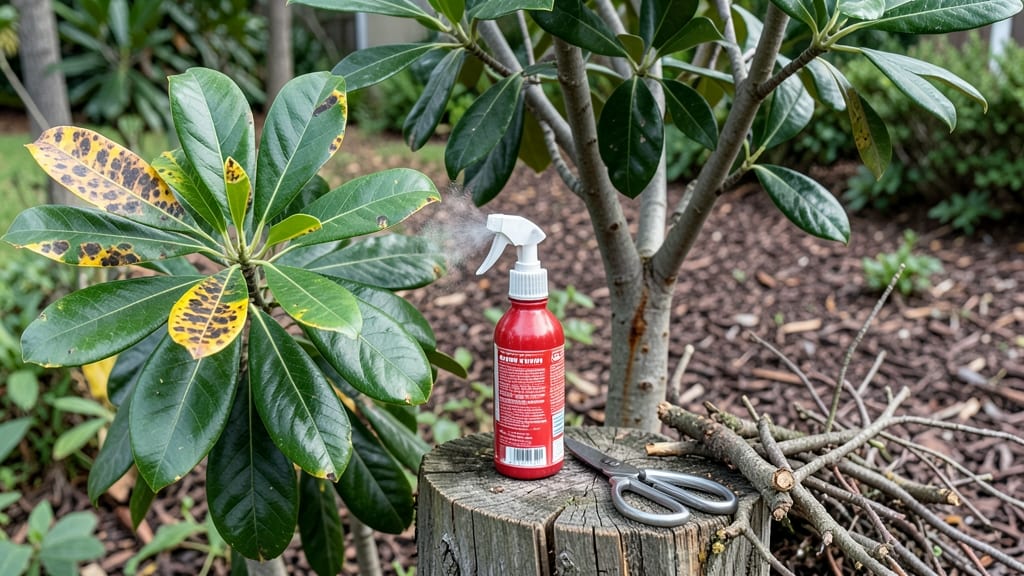
Bay leaf trees fighting diseases like anthracnose or bacterial leaf spot can mean the end of your fragrant harvest—unless you catch it early. 🌿 I’ve seen healthy trees turn brown and brittle overnight, but with the right steps, you can save them.
The key is knowing what to look for: black spots on leaves, oozing cankers, or sudden leaf drop.
Most problems start with wet foliage, poor air circulation, or stressed roots. Fungal spores love humidity, while bacterial infections spread through wounds or contaminated tools. My first mistake? Ignoring yellowing leaves until it was too late. Now I inspect weekly and prune aggressively to keep airflow strong.
You’ll learn to treat infections with neem oil sprays or copper fungicides, plus how to prevent future outbreaks. The goal isn’t just recovery—it’s long-term resilience. A healthy bay tree rewards you with years of fragrant leaves and glossy foliage.
Works for both potted and in-ground trees, and the methods scale from small containers to mature specimens. Let’s get your tree back to thriving—before the next season’s pests arrive.
Root Causes Of Bay Tree Ailments
Understanding why your bay leaf tree develops diseases is the first step toward preventing and treating them. These issues rarely occur in isolation—they’re often the result of environmental stress, poor growing conditions, or microbial invaders taking advantage of a weakened plant.
Let’s break down the key factors that trigger bay tree diseases, so you can address them before they spiral out of control.
🌧️ Fungi thrive in damp, stagnant conditions, and bay trees—especially those planted in containers or heavy clay soil—are particularly vulnerable. When roots sit in soggy soil for prolonged periods, fungal pathogens like Phytophthora or Fusarium latch on, causing root rot, leaf spots, or cankers.
Why it happens:
- Poor drainage: Containers without drainage holes or compacted soil trap excess water, creating the perfect breeding ground for fungi.
- Overwatering: Even well-drained soil can become waterlogged if you water on a strict schedule without checking moisture levels.
- Humid climates: Bay trees in shaded, high-humidity areas (like greenhouses or dense forests) suffer more from fungal infections.
- Weakened roots: Stress from transplant shock, nutrient deficiencies, or physical damage makes roots more susceptible to fungal invasion.
Actionable fix: Ensure pots have drainage holes, use well-amended soil (like a mix of potting soil and perlite), and water only when the top 1–2 inches of soil are dry. Elevate containers to prevent water pooling.
🦠 Bacteria like Xanthomonas or Pseudomonas often enter bay trees through open wounds—whether from pruning cuts, hail damage, or even splashing water during rain or irrigation. These pathogens then multiply rapidly in warm, wet conditions, leading to bacterial leaf spot, cankers, or oozing lesions.
Why it happens:
- Improper pruning: Using dirty or dull tools can introduce bacteria into fresh cuts, creating entry points.
- Splashing water: Overhead irrigation or rain can splash bacteria from contaminated soil or nearby infected plants onto leaves and stems.
- High humidity + heat: Bacteria spread faster when temperatures hover around 75–85°F (24–29°C) and humidity is high.
- Crowded planting: Poor air circulation in dense foliage traps moisture, giving bacteria more opportunities to infect.
Actionable fix: Sterilize pruning tools with rubbing alcohol before and after use, avoid overhead watering, and space bay trees to improve airflow. Remove and destroy infected leaves immediately to prevent spread.
🌱 A bay tree starved for essential nutrients—especially nitrogen, iron, or magnesium—becomes a sitting duck for pests and diseases. Weakened plants can’t produce strong cell walls or antimicrobial compounds, making them easy targets for pathogens.
Why it happens:
- Poor soil quality: Bay trees prefer slightly acidic, well-draining soil (pH 6.0–7.0). Alkaline or nutrient-depleted soil locks out vital minerals.
- Over-fertilization: Too much synthetic fertilizer (especially high in salt) burns roots and disrupts microbial balance in the soil.
- Micronutrient deficiencies: Lack of iron (chlorosis) or magnesium (interveinal yellowing) signals stress, inviting fungal or bacterial attacks.
- Competition for nutrients: Weeds or invasive roots stealing resources leave bay trees malnourished.
Actionable fix: Test your soil annually and amend with organic matter (compost, worm castings). Use a balanced, slow-release fertilizer (like 10-10-10) in spring, and avoid fertilizing in winter. Mulch with pine needles or oak leaves to retain moisture and nutrients.
🌡️ Extreme heat, cold snaps, or sudden changes in light can shock bay trees, compromising their natural defenses. Stressed plants produce fewer antioxidants and protective compounds, making them prime candidates for disease.
Why it happens:
- Temperature swings: Bay trees (native to Mediterranean climates) struggle with sudden freezes or scorching heat, which weakens cell integrity.
- Inadequate sunlight: Too little light leads to leggy growth and thin leaves, while too much direct sun can cause sunburn (especially in young trees).
- Windburn or hail: Physical damage creates entry points for pathogens.
- Transplant shock: Moving bay trees without proper acclimation stresses roots and leaves, lowering disease resistance.
Actionable fix: Acclimate bay trees gradually to outdoor conditions (harden off slowly if grown indoors). Provide afternoon shade in hot climates and protect from harsh winds. Water deeply during heatwaves to prevent wilting.
🐜 Scale insects, aphids, and spider mites don’t just sap sap—they also excrete honeydew, a sticky substance that fosters sooty mold and fungal growth. Additionally, their feeding wounds make bay trees more susceptible to secondary infections.
Why it happens:
- Honeydew buildup: Aphids and scale leave behind sugary residue, which attracts mold spores.
- Physical damage: Mites and borers create tiny wounds where bacteria or fungi can enter.
- Stress from infestations: Heavy pest loads weaken the tree’s immune response.
Actionable fix: Inspect leaves regularly for pests, and treat infestations early with neem oil or insecticidal soap. Encourage natural predators like ladybugs by planting companion flowers (e.g., marigolds or dill).
Fixing Bay Laurel Tree Ailments
Now that you’ve identified the culprit behind your bay laurel tree’s distress, it’s time to roll up your sleeves and restore its health! Below are practical, step-by-step solutions tailored to each common disease, plus preventive tips to keep your tree thriving long-term.
Remember: early action is key—don’t wait until the damage spreads!
1.
Bay Laurel Rust (Caused by Puccinia spp.) 🔥 Remove Infected Leaves Immediately - Step 1: Snip off all yellow, orange, or brown rust-spotted leaves using sterilized pruning shears (wipe with rubbing alcohol between cuts). - Step 2: Bag the clippings and dispose of them in the trash (not compost)—rust spores can survive in soil. - Step 3: Rake up fallen leaves from the ground to prevent reinfection.
🍳 Apply Fungicidal Spray (2-3 Times, 7-10 Days Apart)
- Use a copper-based fungicide (like Copper Soap or Cheshunt Compound) or a sulfur spray (follow label instructions).
- Best time to spray: Early morning or late evening when humidity is high (fungi thrive in moisture).
- Pro tip: Add 1 tsp baking soda + 1 tbsp horticultural oil per gallon of water as a natural preventive spray.
🌡️ Improve Air Circulation
- Thin out overcrowded branches to reduce humidity around the tree.
- Avoid overhead watering—use drip irrigation or a soaker hose to keep foliage dry.
2.
Powdery Mildew (Caused by Erysiphe spp.) 👨🍳 Prune for Sunlight Access - Remove dense, shaded branches to allow sunlight to penetrate the canopy (powdery mildew loves shade and dampness). - Step 1: Cut back 1/3 of the thickest growth to improve airflow. - Step 2: Space out trees if they’re planted too closely (aim for 6–10 feet apart).
⏰ Neem Oil or Baking Soda Spray (Weekly Until Cured)
- DIY Recipe: Mix 1 tbsp baking soda + 1 tsp dish soap + 1 quart water in a spray bottle. Shake well and apply until leaves are damp (but not soggy).
- Alternative: Neem oil spray (1 tsp neem oil + 1 tsp mild soap per quart of water). Spray every 7–10 days until symptoms disappear.
🎯 Adjust Watering Habits
- Water deeply but infrequently (early morning only).
- Avoid wetting leaves—water at the base instead.
1.
Leaf Scorch (Caused by Xanthomonas or Pseudomonas bacteria) 🔪 Sterilize Tools and Remove Damaged Tissue - Step 1: Cut out blackened, crispy leaves and branches with sterilized pruners (bleach solution: 1 part bleach to 9 parts water). - Step 2: Do not compost infected plant material—bag and trash it.
🥘 Copper Bactericide Spray (Every 2 Weeks)
- Use a fixed copper fungicide/bactericide (like Bordeaux mixture or Copper Fungicide).
- Pro tip: Add 1 tbsp hydrogen peroxide (3%) per gallon of water to boost antibacterial effects.
✨ Boost Tree Resilience
- Fertilize lightly with a balanced, slow-release fertilizer (10-10-10) to strengthen the tree’s defenses.
- Mulch properly: Apply 2–3 inches of organic mulch (wood chips or straw) to retain moisture without suffocating roots.
2. Root Rot (Caused by Phytophthora or Fusarium fungi) 💡 Drainage Fixes (Most Critical Step!)
Step 1: Check drainage—stick a trowel in the soil after watering.
If water pools after 30 minutes, drainage is poor. - Step 2: Amend soil with perlite, coarse sand, or compost to improve aeration. - Step 3: If planting in containers, use a mix with 30% perlite/pumice and drill drainage holes in the bottom.
🌡️ Adjust Watering Practices
- Let the top 2 inches of soil dry out between waterings.
- Avoid soggy soil—bay laurels prefer moderate moisture, not wet feet.
🔥 Fungicide Soil Drench (For Severe Cases)
- Mix 1 tbsp hydrogen peroxide (3%) per gallon of water and pour around the root zone (not on leaves).
- Alternative: Benomyl or Mycorrhizal fungi (available at garden centers) to restore beneficial soil microbes.
- 🌿 Plant in the Right Spot
- Bay laurels need
- 🌡️ Monitor Humidity
- Use a
- 🍃 Regular Pruning
- 🔄 Rotate Fungicides
- If you use chemical sprays,
- 🌱 Soil Health Matters
- Test soil
Final Thought: Most bay laurel diseases are preventable with proactive care. Once you’ve treated the current issue, consistent monitoring and good hygiene** will keep your tree healthy and lush for years! 🌳💚
Frequently asked questions
What are the first signs my bay leaf tree might be infected?
Watch for yellowing leaves, black or brown spots, or oozing cankers on stems. Fungal infections often start as powdery white patches (powdery mildew) or rust-colored spots, while bacterial issues cause crispy, dark edges on leaves. Check the undersides of leaves too—many diseases hide there first.
Can I save a bay leaf tree with root rot?
It depends on how severe it is! If only the roots are affected but the top is still green, you can try pruning affected roots, improving drainage, and applying a hydrogen peroxide drench (1 tbsp per gallon of water). For advanced cases, repotting with fresh, sterile soil may be needed—but expect slower recovery.
How often should I spray fungicides on my bay tree?
For prevention, spray every 2-4 weeks during humid seasons with neem oil or copper fungicide. If treating an active infection, apply every 7-10 days until symptoms disappear. Always rotate between products to prevent resistance—don't use the same spray continuously.
Will pruning help prevent diseases in my bay leaf tree?
Prune to remove dead/diseased branches and improve airflow—this cuts off fungal/bacterial spread. Thin out crowded areas in spring, and always use sterilized tools (wipe with rubbing alcohol). Aim for 20-30% of the canopy to maintain shape while boosting circulation.
Are there organic alternatives to chemical fungicides?
Yes! Try a baking soda spray (1 tbsp baking soda + 1 tsp dish soap per quart of water) or milk spray (1 part milk to 9 parts water). For bacterial issues, hydrogen peroxide (1 tbsp per gallon) works well. Reapply every 7-10 days until symptoms clear—these are safer but require consistency.